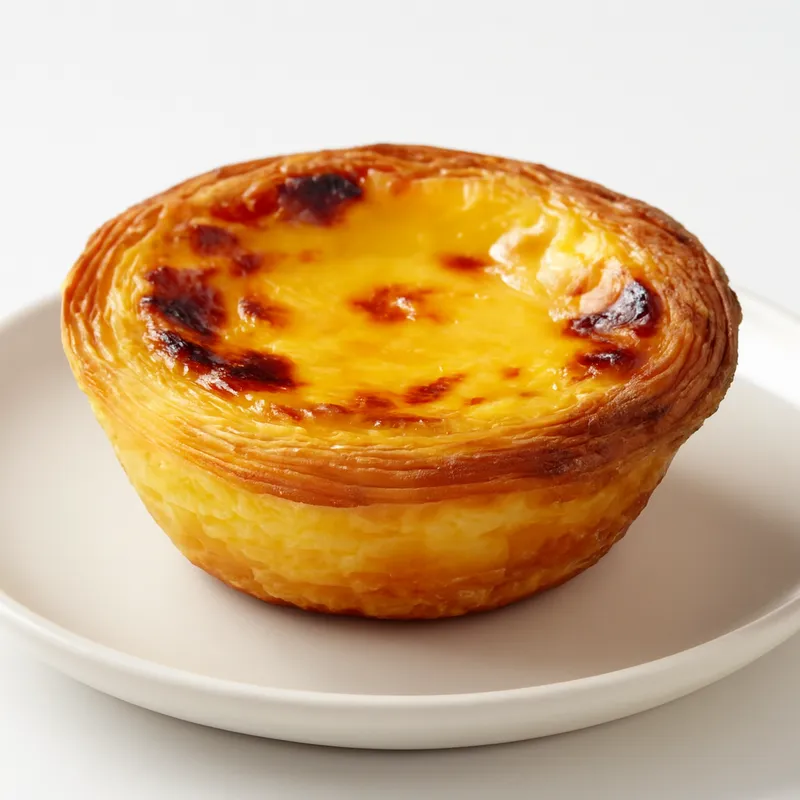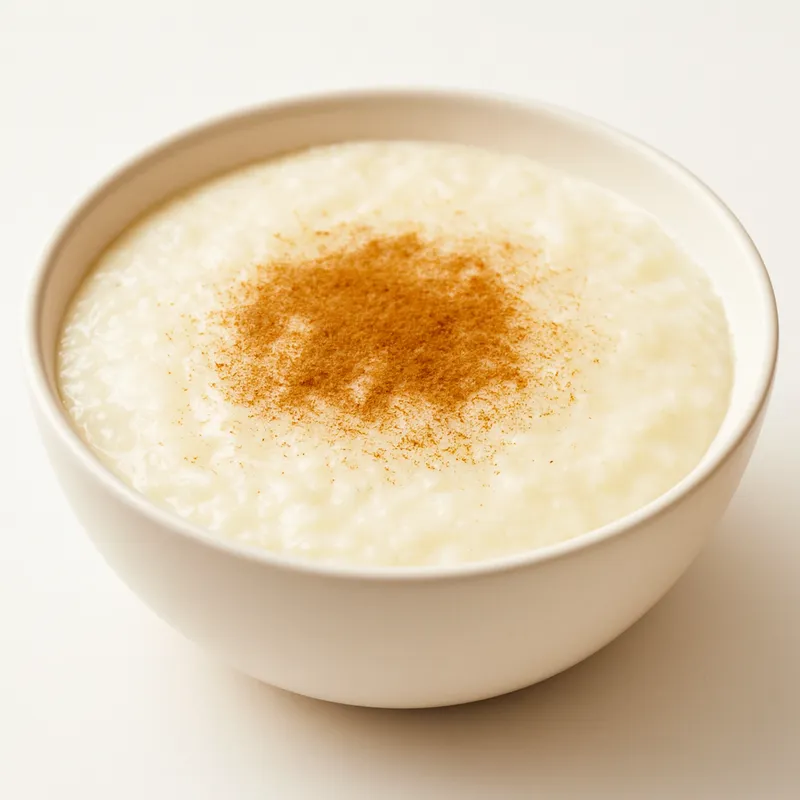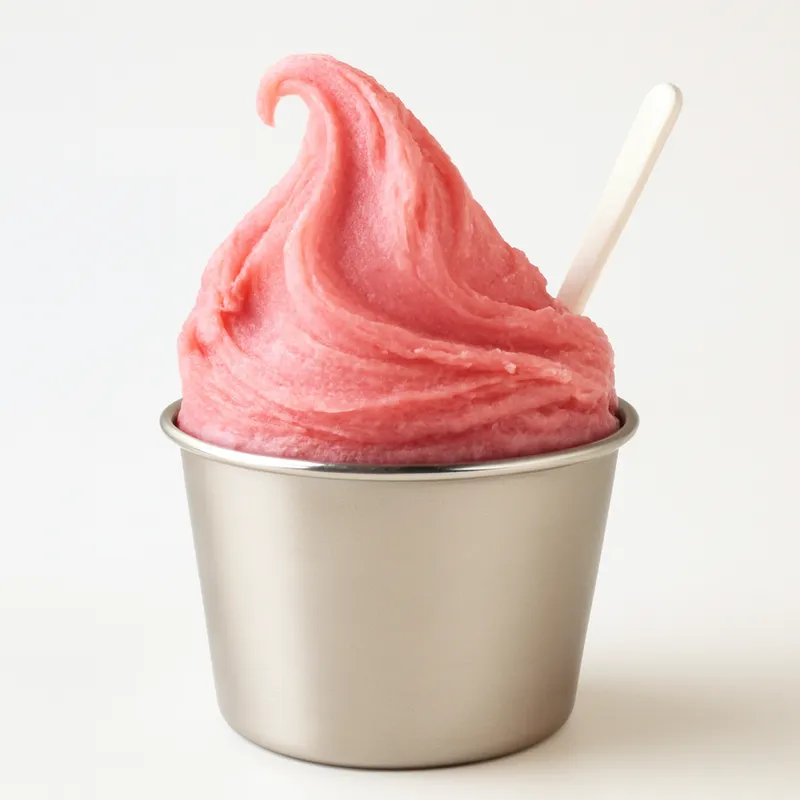


The modern gelato lineage runs through 16th-century Florence — Bernardo Buontalenti is credited with the first cream-based frozen dessert at the Medici court around 1565. Sicilian sorbetti go further back, derived from Arab sherbet (Sicily was under Arab rule 9th–11th century) using snow from Mount Etna. The 1900s industrialized the gelato cart; the artisan «gelateria» revival is post-1980.
Less air than ice cream (25-30% overrun vs 50-100%) and warmer service temp (-12°C vs -18°C). Procopio dei Coltelli sold it in 1686 Paris from a Sicilian recipe — denser, more flavor-forward.
Denser and warmer than American ice cream — served around -12°C, not -18°C, so flavor reads sharper and the texture is plastic-soft, not frozen-hard. Hazelnut tastes of toasted nut, not cream; pistachio is green-grey, not neon; fior di latte is just milk and sugar. Scooped with a flat spatula, smeared into the cup. If it scoops in clean balls, it's too cold.
Two technical splits from American ice cream. Less butterfat (4–9% vs 14%+) — milk dominates, so flavor compounds aren't muffled by cream coat. Less air (overrun ~25% vs 50–100%) — the slow-churn is the giveaway, you can feel the density on the spoon. Warmer service is deliberate: at -12°C the lipids on your tongue don't go numb, so taste actually fires.
Variations
Sicilian (Bronte pistachio, Modica chocolate, lemon granita-adjacent); Florentine (heavier dairy, gianduja); fior di latte (no eggs, just milk + cream + sugar); sorbetto (water-based, no dairy); semifreddo is the still-frozen mousse cousin.
- ·Uses more milk than cream
- ·Churned at slower speed
On the Palate
Where Gelato sits in the Italian flavor cloud
Cook the custard low and slow until it just coats the spoon (around 82-84°C) and pull it the instant it thickens; a few seconds too long and the yolks scramble into grain.
Ingredients
Serves 4How it's made
4 steps · 50 min
- 15 min
In a saucepan, combine milk and cream. Heat gently over medium heat until small bubbles form around the edge, but do not let it boil.
Watch outPull the milk off the heat the moment a ring of fine bubbles forms at the edge; steaming with no rolling boil is the cue.
- 25 min
Beat together sugar and egg yolks in a bowl until pale and creamy. Gradually whisk in the hot milk mixture, then return to the saucepan.
Watch outWhisk in the hot milk in a slow thin stream, not a dump; keep the yolks moving or they'll seize into bits.
- 310 min
Cook over low heat, stirring constantly, until the mixture thickens and coats the back of a spoon. Remove from heat and stir in vanilla extract.
Watch outIt's done the instant a swiped finger leaves a clean line on the coated spoon (around 82°C); pull it before it simmers.
- 430 min
Cool the mixture to room temperature, then churn in an ice cream maker according to the manufacturer's instructions until smooth and creamy.
Archive tool suggestions — not reviewed
These legacy suggestions have not been evidence-reviewed and are not presented as required tools.