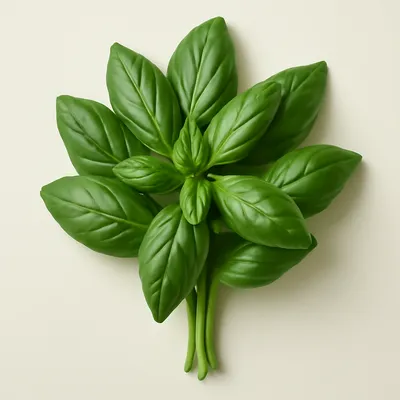




Trapani, western Sicily, port-side adaptation of the Genoese 'agliata' (a garlic-and-walnut sauce the sailors brought), reworked by Trapani locals who swapped in Sicilian almonds for the walnuts and added fresh tomato. Pasta with pesto alla Trapanese (busiate noodles) was codified in 19th-century Trapani fishing-village kitchens; now PAT-protected (Prodotto Agroalimentare Tradizionale Siciliano).
Pesto alla Trapanese is officially listed in the Italian Ministry's PAT register for Sicily. Local trattorie like Cantina Siciliana in Trapani still pound it tableside. The traditional pasta is busiate, hand-rolled around a buso (reed); fresh, never dried.
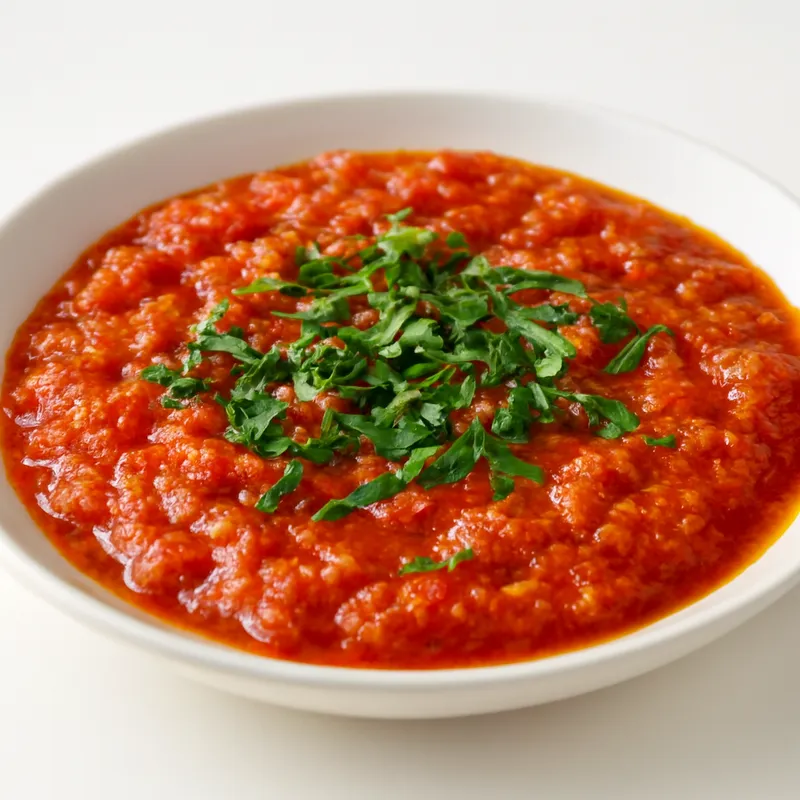
Coral-pink coarse paste flecked with almond grit and basil. Sweet ripe tomato leads, almond gives a soft fat-thickness without pine-nut weight, pecorino sharp at the back, garlic raw and present. Tossed warm through busiate or fresh trofie.
Marble mortar method like Genovese, but order shifts — almonds (blanched, peeled) and garlic pounded first into rough meal, basil bruised in, then peeled fresh tomatoes (often plum or San Marzano) crushed in last with pecorino and oil. Tomato water keeps it loose without dilution.
Variations
Trapani DOP-style with Avola almonds, Erice mountain version with extra basil and less tomato, the Cantina Siciliana tableside-pounded render, and the Marsala-coast variant adding capers.
On the Palate
Where Pesto Trapanese sits in the Italian flavor cloud
Ingredients
Serves 4
How it's made
4 steps · 18 min active + 8 min waiting
- 18 min
Toast 100 g blanched almonds; cool.
Watch outToast the almonds just to pale gold and fragrant, then cool fully — over-browned nuts turn the whole pesto bitter, and warm ones make it sweat oil.
- 25 min
Blanch 4 ripe tomatoes 30 sec; peel and deseed.
Watch outThirty seconds in boiling water is enough — you want the skin to slip, not the flesh to cook; deseed so the paste doesn't go watery.
- 38 min
Pound almonds + 2 garlic cloves + 50 g basil + 1 tsp salt in mortar.
- 45 min
Add tomato flesh + 60 g pecorino + 100 ml olive oil; pound to looser red paste.
Watch outPound to a loose, coarse red paste — the tomato water keeps it slack, so stop while you can still see flecks of almond and basil; a smooth purée means you've gone too far.