
The signature pasta of Trapani and western Sicily: busiate, long corkscrews of durum-semolina dough coiled by hand around a thin reed or rod, dressed in pesto trapanese. That sauce is the Trapanese answer to Ligurian basil pesto—a raw, uncooked pound of ripe tomato, almonds, garlic, and basil, sharpened with pecorino and bound with olive oil. The pasta's deep grooves and twists are built to catch the coarse, fragrant paste. It is cucina povera turned emblem: the wheat of the western plain, the almonds of the Sicilian interior, and the tomato of the south, brought together by a port city's history.


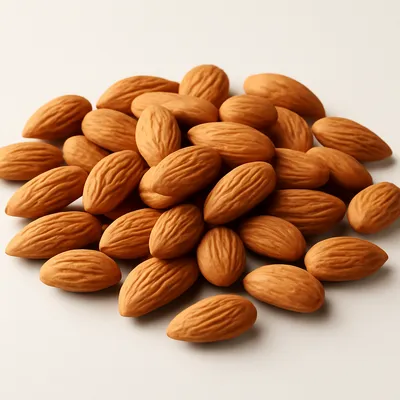

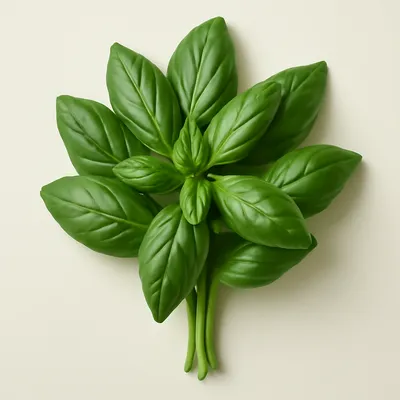

Local food historians consider busiate the oldest handmade pasta of Sicily, traced to the island's Arab period and conventionally placed around the year 1000; the Arabs, who ruled from the 9th century, introduced the techniques that let durum-wheat dough dry and keep. The name comes from busa, the Sicilian word for the stem of Ampelodesmos mauritanicus, the wiry Mediterranean grass farmers once used to bind sheaves of wheat—the pasta was coiled diagonally around the reed (or a bronze ferretto, or a knitting needle, the form then called maccheroni inferrati). The classic dressing, pesto trapanese, is by tradition a Sicilian reworking of Ligurian pesto genovese: Genoese merchant ships returning from the East would put in at the port of Trapani, and local cooks adapted the sailors' basil-and-garlic paste with the produce at hand—raw tomato and almonds. Its finest versions lean on Trapani's own terroir: almonds from Avola, the Slow Food red garlic of Nubia, and Pecorino Siciliano.
Each spiral is firm and springy, its ridges packed with a paste that stays coarse on the tongue—the almonds ground just shy of smooth, so they crunch faintly between the teeth. The raw tomato keeps a fresh, almost sweet acidity, the garlic bites clean and pungent, and the basil reads bright and green over it all. Pecorino and olive oil pull the whole thing together into something cool and savory rather than cooked-down and heavy. It tastes of summer: uncooked, fragrant, and direct.
Busiate dough is just durum semolina and water—no egg. Semolina's hard, high-protein wheat builds a strong gluten network that survives being stretched thin and wound around a reed; the coiling work-hardens the strand and, drying on the rod, it sets into a springy spiral whose ridges and hollows multiply the surface that sauce can grip. Pesto trapanese is built in a mortar, not a blender: pounding rather than blade-chopping bruises the basil and crushes the almonds without heating or aerating them, so the oils release slowly and the sauce stays raw, green, and emulsion-stable rather than turning brown or bitter. Salt drawn from the tomatoes and the starch carried in a splash of hot pasta water help the cheese and oil bind into a clinging coat instead of splitting. The sauce is never cooked—heat from the just-drained pasta is all it gets.
Variations
The sauce divides cooks: some peel and seed the tomatoes for a smoother paste, others leave the skins; some blanch and skin the almonds, others keep them whole for more texture. Pecorino is traditional, though grana or a milder cheese turns up; a pinch of chilli or a few mint leaves alongside the basil is common in some households. When busiate are hard to find, the sauce goes happily on spaghetti, linguine, or any twisted shape that holds it. Beyond the raw pesto, the same busiate are served all'Norma with fried eggplant, with sardines and wild fennel (con le sarde), or with a long-simmered ragù.
On the Palate
Where Busiate al Pesto Trapanese sits in the Italian flavor cloud
Ingredients
Serves 4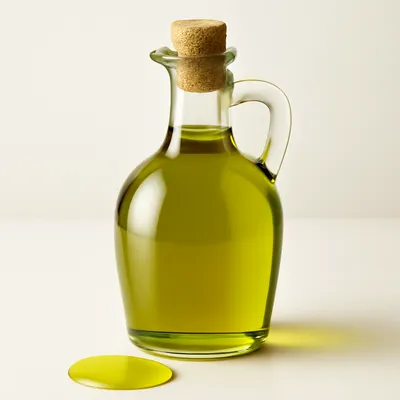

How it's made
8 steps · 55 min active + 20 min waiting
- 140 min
Make the pasta dough: mound 400g durum-wheat semolina, add about 200ml warm water, and knead 10 minutes until smooth and firm; cover and rest 30 minutes.
- 220 min
Shape the busiate: roll thin ropes of dough and coil each diagonally around a thin reed, skewer, or knitting needle, then slide off; dust with semolina and set aside to dry slightly.
- 35 min
Blanch 80g almonds in boiling water for 1 minute, slip off the skins, and let them dry.
- 45 min
In a mortar, pound 1-2 garlic cloves with a pinch of sea salt, add the almonds and pound to a coarse paste, then work in a large bunch of basil leaves.
Watch outPound in a circular grinding motion rather than chopping down, so the almonds and basil bruise and weep oil into a green paste without heating up and going brown.
- 55 min
Add 4 ripe, peeled tomatoes and pound to a chunky sauce; stir in 60g grated pecorino and 4 tablespoons extra-virgin olive oil, and season.
- 65 min
Bring a large pot of well-salted water to a rolling boil and cook the fresh busiate 3-5 minutes, until just al dente.
Watch outFish out a strand and bite it: al dente means a thin pale core still under a springy chew, since fresh busiate carries on softening once tossed with the sauce.
- 73 min
Drain the pasta, reserving a ladle of the starchy water; toss the busiate with the raw pesto off the heat, loosening with a splash of pasta water until it coats evenly.
Watch outToss the raw pesto through the pasta off the heat, using only the warmth of the noodles and a splash of starchy water, so it stays bright green and never cooks to a dull khaki.
- 82 min
Serve at once with extra pecorino and a few basil leaves; a scatter of toasted almond is optional.
Archive tool suggestions — not reviewed
These legacy suggestions have not been evidence-reviewed and are not presented as required tools.


