
Apulian fresh cheese — a pouch of stretched-curd mozzarella exterior filled with stracciatella (cream-soaked mozzarella shreds), served cool, ideally within a day or two of making (freshness is everything), the molten-interior cousin of mozzarella from the Murge plateau of Puglia.
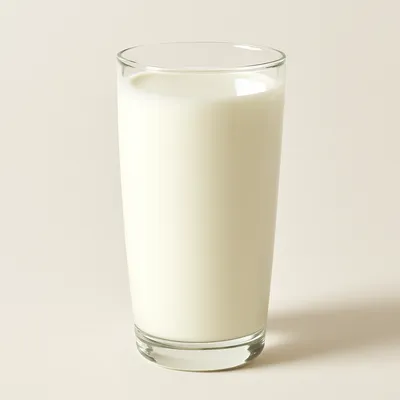
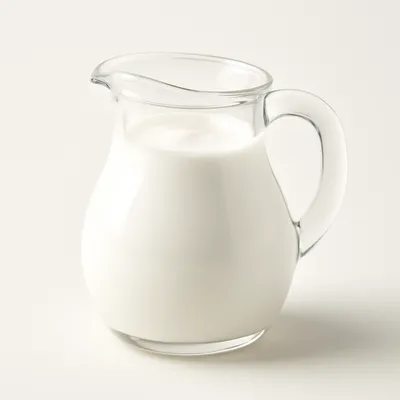



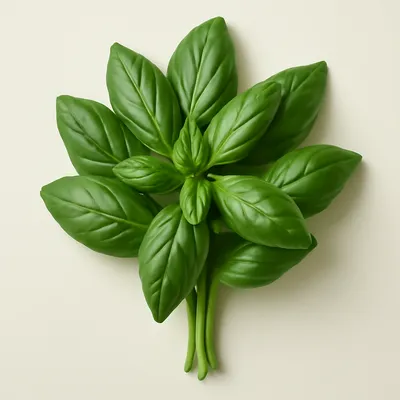
Burrata was invented in the early 20th century in Andria (Apulian Murge plateau) — the most commonly cited origin story credits cheesemaker Lorenzo Bianchino at the Piana Padula farm in Andria in 1956, who during a snowstorm — unable to move fresh milk and cream — combined leftover curd with cream inside a mozzarella pouch. The Bianchinos hand-formed mozzarella pouches and stuffed them with cream-soaked mozzarella shreds (stracciatella). The dish exploded in popularity in the 1980s when refrigerated transport allowed shipping outside Apulia. Modern burrata has IGP/PGI status (Burrata di Andria, granted November 2016) protecting the canonical production: pasta filata mozzarella exterior + cream-soaked stracciatella interior. Best eaten within 24 hours of making (freshness is everything — burrata more than 48 hours old is significantly less interesting).
A burrata on the plate looks like fresh mozzarella — but cut it open and a stream of soft white shreds in cream cascades onto the tomatoes. The first taste: milky, slightly tangy, the outer mozzarella elastic-yielding, the stracciatella interior melt-soft, the cream rich and almost dessert-like. The tomatoes underneath catch the cream and become coated; the pepper hits last. The dish is what summer in Puglia tastes like — clean, milky, sun-warm. Eat with crusty bread that you tear with hands and dip in the puddle of cream-tomato-oil on the plate. One burrata serves 2-3 people if shared with a salad; one burrata serves 1 if you are committed.
Burrata's complexity comes from two distinct cheese textures in one product: the exterior pasta filata mozzarella (stretched curd) is elastic and chewy, while the interior stracciatella (torn curd + cream) is loose and pourable. Both rely on the same fresh curd, treated differently. The pasta filata stretching technique (originally Greek, brought south to Puglia) aligns casein proteins in long strands, giving mozzarella its characteristic elastic stretch when warm. The stracciatella's cream content (~25% by weight) is what makes burrata richer than mozzarella; without cream it would be plain shredded curd.
Variations
Andria DOP canonical (the Murge cheesemakers); Castel del Monte variants use water buffalo milk for richer flavor (a 'burrata di bufala'); Foggia variants make smaller individual burratine; modern non-DOP producers worldwide make 'burrata-style' that varies in quality wildly; aged or refrigerated >48h burrata is sad — fresh is everything; some chefs serve burrata on stews or pizzas (good — but the classic with tomatoes and oil is the canonical preparation).
On the Palate
Where Burrata sits in the Italian flavor cloud
Ingredients
Serves 4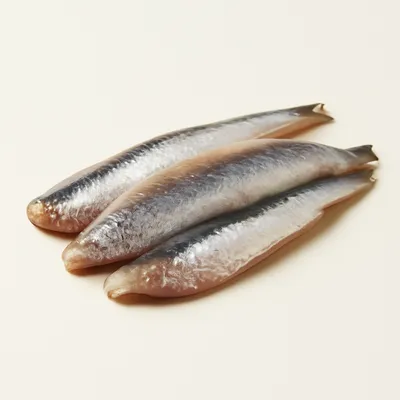
How it's made
7 steps · 1 hour active + 3 hours waiting
- 15 min
Procure 1L fresh whole milk (raw or non-ultrapasteurized — UHT milk does not work for cheese-making) + 5ml liquid rennet + 100ml heavy cream + 1/4 tsp citric acid + sea salt.
- 222 min
Make mozzarella curd: warm milk in a heavy pot to 32°C / 90°F. Stir in 1/4 tsp citric acid dissolved in 60ml water. Add 5ml rennet diluted in 60ml cool water; stir 30 sec, stop. Cover; rest 15 min — milk should set into a soft custard.
Watch outAfter resting, the milk should hold as a soft custard that gives a clean break when you tilt the pot — if it's still soupy, wait a few more minutes.
- 314 min
Cut curd into 2cm cubes with a long knife. Heat very gently to 40°C / 105°F over 10 min, stirring occasionally. Curds will release whey and tighten. Drain through cheesecloth, reserving 500ml of warm whey.
- 47 min
Stretch curd: heat the reserved whey to 80°C / 175°F. Plunge half of the drained curd into the hot whey for 30 sec; lift with slotted spoon. With clean hands (gloved if hot), knead and stretch the curd — it will become smooth, glossy, elastic. Stretch 3-4 times, dipping in hot whey between. Salt lightly. This is the outer pouch material.
Watch outKnead in the hot whey until the curd turns smooth, glossy and stretches in long unbroken strands — that shine and pull is your outer pouch.
- 55 min
Make stracciatella: take the other half of the curd (still warm). Tear it into thin shreds with two forks. Cover with 100ml fresh heavy cream + 1/2 tsp salt. Mix gently. Should be loose and luscious.
Watch outToss the torn curd with cream just to a loose, spoonable tangle — don't pack it tight, the filling should almost pour.
- 670 min
Form burrata: take a fist-sized ball of warm stretched curd. Stretch it flat into a circle ~15cm diameter, very thin (you should almost see through). Place 4-5 tbsp of stracciatella in the center. Gather edges up like a sack and pinch to seal at top, forming a pouch. Place pinched-side-down in cold water to firm. Repeat to make 2-3 burratas total from the recipe quantities.
Watch outStretch the pouch nearly see-through before filling, then pinch the top hard — any weak spot and the cream leaks out in the water.
- 760 min
Refrigerate 1 hour minimum. Serve: place a whole burrata on a plate, surrounded with halved cherry tomatoes (200g) + good olive oil + crushed black pepper + a few basil leaves + 4 anchovy fillets (optional) + grilled bread. Slice burrata at the table — the stracciatella interior should pour out warm-cool, mingling with the tomato juices and olive oil.
Archive tool suggestions — not reviewed
These legacy suggestions have not been evidence-reviewed and are not presented as required tools.


