
Small open-topped Sardinian tarts of fresh sheep's-milk ricotta scented with saffron and citrus zest, set in a thin shell of durum-wheat semolina pastry. A little disc of dough is pinched up around the edge into a basket or star with the filling left exposed, then baked until the pastry is pale and the filling sets and domes and browns lightly at the rim. They are classically an Easter sweet, made when sheep's milk and ricotta are at their spring best. In the south-west of the island, around Campidano and Sulcis, they are called pardulas and filled with ricotta; around Nuoro the same kind of tart, often made with fresh cheese rather than ricotta, is known as casadinas.


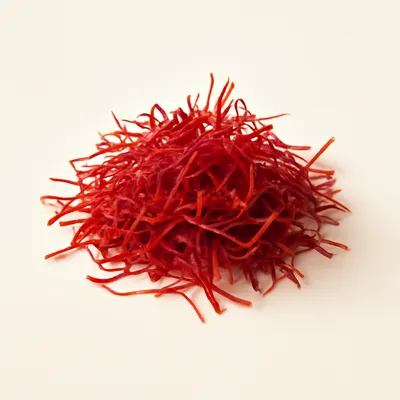
Pardulas belong to the pastoral sweet-making of Sardinia, tied to sheep-rearing and the spring abundance of ewe's milk; they are above all an Easter sweet, though now eaten year round. The exact age and meaning of the name are unrecorded: some derive pardula from a Latin word for «square», others read sas pardulas simply as «little baskets», after the pinched shape, and the recipe is sometimes said to descend from the small cheese-and-pastry cakes of the Greco-Roman world — none of these is firmly documented. What is clear is the regional split in name and filling: pardulas with ricotta in the south-west, around Campidano and Sulcis, and casadinas, often with fresh cheese, in the Nuoro area to the centre-east. The saffron points to Sardinia's own long-established cultivation of the spice, concentrated in the village of San Gavino Monreale.
A thin, slightly crisp semolina shell giving way to a warm, soft, just-set ricotta filling — moist and creamy, never dry. The saffron is mild but present, more in colour and a gentle floral warmth than as a strong flavour, and the lemon or orange zest cuts the richness with a clean citrus lift. The sweetness is restrained; the filling tastes first of fresh sheep's-milk ricotta, faintly tangy and milky. Eaten slightly warm they are at their best, the contrast of crisp edge and soft centre at its clearest. Overbaked, the filling cracks and dries and the pastry hardens; underbaked, the centre stays too wet to hold.
The filling is essentially fresh ricotta lightly bound — usually with egg and a little semolina or flour — so that in the oven the egg proteins coagulate and set the soft cheese into a tender, sliceable dome without letting it collapse or weep; too much egg makes it rubbery, too little and it stays loose. Sheep's-milk ricotta, richer and higher in fat than cow's, gives the characteristic creaminess. Saffron is steeped in a little warm water first so its colour and aroma compounds disperse evenly through the pale filling. The shell is made from durum-wheat semolina with fat, rolled thin; baked open rather than covered, it crisps and lightly browns while the exposed filling sets and takes a little colour at the edge. The citrus zest is added raw for a fresh top note that baking would otherwise dull.
Variations
The chief variation is regional and definitional: ricotta-filled pardulas in the south-west versus casadinas around Nuoro, the latter often made with fresh sheep's cheese rather than ricotta, sometimes saltier and less sweet. Fillings differ from house to house — lemon zest or orange, more or less saffron, a little sultanas in some versions, sweetened with sugar or with honey. The pinched edge ranges from a plain raised rim to an elaborate many-pointed star. They sit within a family of Sardinian filled festive sweets that includes the deep-fried, honey-dipped seadas, made with a similar cheese filling but fried rather than baked.
On the Palate
Where Pardulas sits in the Italian flavor cloud
Ingredients
Serves 8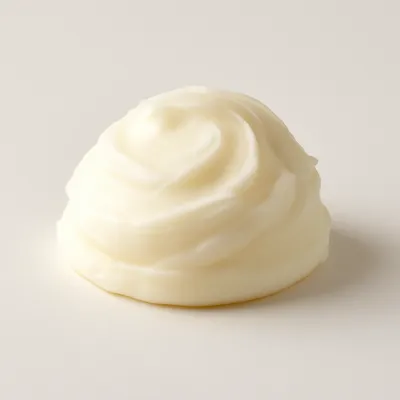

How it's made
7 steps · 40 min
- 15 min
Steep a pinch of saffron threads in a spoonful of warm water and leave to release colour and aroma.
Watch outSteep the saffron in warm water first so its color and aroma disperse evenly through the pale filling — dropped in dry it stays patchy.
- 215 min
Make a thin pastry from durum-wheat semolina with a little fat, salt and water, knead until smooth, and rest it.
- 38 min
Beat the fresh sheep's-milk ricotta with sugar, egg, a little semolina, the saffron water and grated lemon or orange zest into a smooth, soft filling.
- 410 min
Roll the pastry thin and cut out discs, then place a spoonful of filling in the centre of each.
- 512 min
Pinch the edges up around the filling into a basket or pointed star, leaving the top open.
- 625 min
Set the tarts on a lined tray and bake at about 180°C until the pastry is pale-gold and the filling is set and lightly coloured.
Watch outBake just until the pastry is pale-gold and the filling is set and lightly colored — too much egg or too long and the cheese filling turns rubbery.
- 710 min
Cool on a rack and serve slightly warm or at room temperature, dusted with sugar if liked.
Archive tool suggestions — not reviewed
These legacy suggestions have not been evidence-reviewed and are not presented as required tools.


