A fried sweet from Riccia, in the province of Campobasso, known in dialect as 'cavezone': a paper-thin, lard-brushed pastry stretched almost transparent, folded like a half-moon around a cream of chickpeas sweetened with honey and scented with cinnamon and lemon or citron, then sealed and deep-fried until blistered and golden. It is the celebrated sweet of the March feast of Saint Joseph.




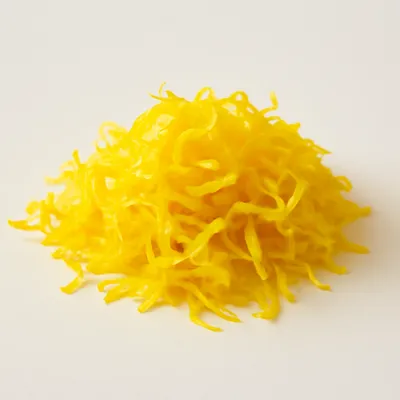

The calzone di San Giuseppe belongs to Riccia, a hill town in the province of Campobasso, where it is called 'cavezone' and carries the town's De.Co. mark of local identity. In form it echoes the Neapolitan sfogliatella riccia brought inland, its dough kneaded and stretched into leaves brushed with lard so that it crisps into flakes when fried. Above all it is tied to the Tavole di San Giuseppe, the votive tables laid on 19 March for the feast of Saint Joseph, at which thirteen guests sit to thirteen courses in memory of the Holy Family and the saints, and of which the cavezone is the honoured 'ambassador'. The chickpea filling is unhurried work, started a day or two ahead, so the sweet marks a date on the calendar rather than an everyday table.
The shell shatters into fine, oily flakes at the first bite, giving way to a warm, dense chickpea cream that is sweet with honey, rounded with cinnamon and lifted by lemon. Eaten warm, it is rich and fragrant, the crackle of the crust against the soft filling its whole pleasure.
Brushing the stretched dough with lard keeps its thin sheets from fusing, so that in the fryer the trapped moisture flashes to steam and forces the leaves apart into the shell's crisp flakes, while the fat conducts heat fast and evenly for an even blister. At around one hundred and seventy degrees the surface starches and sugars brown through the Maillard reaction and caramelise, building colour and toasted aroma in seconds. The chickpeas bring their own starch and protein, cooked and mashed to a smooth paste that sets firm as it cools, and the fructose of the honey holds water so the filling stays moist inside its crackling case.
Variations
A baked version exists for those who want it lighter, browned in the oven rather than fried. Cooks vary the perfume of the filling between lemon and the more floral citron, adjust the cinnamon, and some fold in a little chocolate or candied peel. The half-moon fried form and the chickpea-and-honey cream, however, are what mark it out from the many other fried sweets of the same feast.
On the Palate
Where Calzone di San Giuseppe sits in the Italian flavor cloud
Ingredients
Serves 6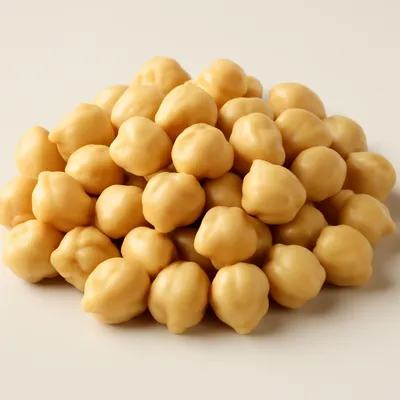

How it's made
8 steps · 40 min
- 1720 min
A day ahead, soak the dried chickpeas overnight in plenty of water.
- 230 min
Drain and boil the chickpeas until very soft, then pass them to a smooth puree.
- 320 min
Cook the puree down with honey, cinnamon and lemon or citron zest until thick, and leave to cool.
Watch outCook the chickpea puree down until thick enough to hold its shape on a spoon — a loose filling seeps out and bursts the calzoni in the oil.
- 420 min
Make the dough with flour, a little lard, white wine and salt; knead until smooth and elastic, then rest it.
- 515 min
Roll and stretch the dough paper-thin until almost transparent, and brush it all over with melted lard.
Watch outStretch the dough until it's nearly see-through and brush every inch with lard — this is what steams the leaves apart into flakes; thick or dry spots stay dense.
- 620 min
Cut into discs, place a mound of chickpea cream on each, fold into half-moons and seal the edges firmly.
- 712 min
Heat the oil to about 170°C and fry the calzoni until golden and blistered, turning once; drain on paper.
Watch outFry at about 170 degrees until golden and blistered — too cool and they drink oil and turn greasy; too hot and they brown before the shell flakes.
- 83 min
Finish with a dusting of cinnamon sugar or a thread of honey, and serve warm.
Archive tool suggestions — not reviewed
These legacy suggestions have not been evidence-reviewed and are not presented as required tools.


