The Christmas and Carnival sweet of the basso Molise: a thin dough of flour, eggs and oil rolled paper-thin, cut into narrow strips and wound in a helix around a slim wooden rod to make a hollow spiral. The coils are fried crisp, bathed for a few seconds in hot honey and sometimes dusted with sugar. Crisp, glossy and eaten straight away before the honey softens them, they belong to a wide family of fried honeyed festive sweets and are twin to the rose-shaped rosacatarre, made from the very same dough.




Caragnoli come from the peasant kitchen of the basso Molise, tied above all to Termoli and its hinterland, and are counted among the region's traditional food products (PAT). They are made by the women in the days before Christmas, each family keeping its own recipe, and they and the rose-shaped rosacatarre share one dough and differ only in the twist. The dialect name shifts from village to village, softening to 'caragnol', and a tray of them was kept out through the holidays to make the rounds of the house. They sit in a long Molisan line of fried, honey-drenched festive sweets alongside scarpelle, mostaccioli and cicerchiata.
A dry, shattering crunch that gives way at once, the fried dough almost weightless inside its hollow coils. The hot honey sets to a thin, glossy, sticky film that clings to the ridges, sweet and floral, and a last dusting of sugar catches on the lips. Light rather than rich, they are gone in two bites.
Rolling the dough paper-thin and winding it around the rod gives the fritter a hollow core and a huge surface, so in the hot oil the surface water flashes to steam almost at once; the outward rush of steam puffs and crisps the spiral and keeps the oil from soaking in, and in barely thirty seconds the egg proteins and the flour's gluten set the shape hard. The brief bath in honey, thinned by heat to a free-flowing syrup, coats the ridges in a film that cools to a glassy, hygroscopic glaze; because honey draws water from the air, the coils are eaten at once, before that glaze pulls in moisture and softens the crunch.
Variations
Some cooks work a little sugar into the dough, others a splash of wine or a scrape of citrus zest, and the finish is either the honey bath alone or a dusting of icing sugar over it. The twist is the main variable: wound loose and long for caragnoli, coiled tight on itself into a little rose for rosacatarre. From village to village the strips are cut wider or finer and the wooden rod longer or shorter, so no two families' spirals look quite alike.
On the Palate
Where Caragnoli sits in the Italian flavor cloud
Ingredients
Serves 8How it's made
7 steps · 40 min
- 140 min
Work the flour with the eggs and oil (and a little sugar, if using) into a smooth, firm dough, then cover and rest it about 30 minutes.
- 215 min
Roll the dough out paper-thin and cut it into narrow strips about half a centimetre wide and well longer than the rod.
Watch outRoll the dough paper-thin — the thinness is what lets it puff hollow and crisp; any thick spot fries up dense and hard.
- 320 min
Wind a strip in a helix around one end of a slim wooden rod some 20-25 cm long, covering about two thirds, then close the ends with the remaining dough and gently slide the rod out.
- 48 min
Heat plenty of neutral oil to about 175°C.
- 512 min
Fry the coils a few at a time for around thirty seconds, turning once, until crisp and pale gold; lift onto paper to drain.
Watch outFry only about thirty seconds to pale gold — these set fast, and a shade too dark turns bitter and brittle.
- 68 min
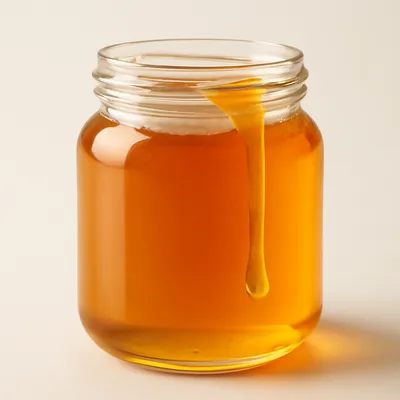
Warm the honey gently in a wide pan until runny, then bathe each coil in it for a few seconds so it is glossed all over.
Watch outBathe each coil in the runny honey for just a few seconds, then eat soon — the glaze draws moisture from the air and softens if it sits.
- 73 min
Lift out to drain briefly, dust with sugar if you like, and serve at once while crisp.
Archive tool suggestions — not reviewed
These legacy suggestions have not been evidence-reviewed and are not presented as required tools.


