
Large bread dumplings from Trentino-Alto Adige (South Tyrol), the German-speaking far north of Italy, where they are also called Knödel. Stale white bread is diced, soaked in warm milk, and worked with egg, flour and diced speck (the local cured, lightly smoked ham) — sometimes with cheese, spinach or liver instead — then shaped by hand into balls the size of a small fist. They are simmered in broth and served either floating in that broth as a soup, or drained and dressed with melted butter and sage. They are the defining first course of the South Tyrolean table.





Canederli belong to the wider Knödel tradition of the Alpine German-speaking world and reflect South Tyrol's position between Italy and the Austro-German lands. Their antiquity in the region is unusually well documented: the chapel of Hocheppan (Castel d'Appiano) near Bolzano preserves a Romanesque fresco from the first decade of the 13th century showing a seated woman eating dumplings from a pan with a fork — commonly cited as the oldest known depiction of the dish. As a thrifty way to turn stale bread into a meal, canederli are also bound up with peasant frugality; one popular tale has a peasant woman inventing them to feed soldiers from the little she had, but this is folklore rather than record.
A good canederlo is soft and moist all the way through, holding its shape but yielding at once to the spoon — never dense, gummy or dry at the core. The bread base is mild and bready; the diced speck runs through it in salty, faintly smoky pockets, and a little chopped parsley and grated cheese round it out. In broth, the dumpling drinks up the stock and the two eat as one warming spoonful; dressed with browned butter and crisp sage, the outside takes on a nutty richness. Overworked dough turns the dumpling rubbery; too little binding and it falls apart in the pot.
The dish turns on getting the bread to bind without overworking it. Soaking diced stale bread in warm milk rehydrates and softens it, and the bread's starch, together with egg, sets the structure as the dumpling cooks. The egg proteins coagulate in the hot broth to firm the ball just enough to hold; a little flour tightens a wet mix, but too much makes it leaden. The dumplings must be cooked in barely-simmering, not boiling, liquid — a rolling boil batters them apart before the inside sets. When finished in butter, heating the butter past melting toasts its milk solids to a nutty aroma through Maillard browning, and the sage's oils infuse the hot fat.
Variations
Speck canederli are the classic, but the family is broad: Käseknödel are bound with mountain cheese, Spinatknödel are green with spinach and often served buttered with grated cheese, and Leberknödel use liver and are eaten in broth. Valleys vary the method — in Val Pusteria the dough takes buckwheat flour, while in apple-growing Val Venosta versions are sometimes steamed rather than boiled. A sweet relative, Marillenknödel, wraps a whole apricot in a potato or quark dough. The same dumpling crosses the border as the Austrian and Bavarian Knödel and the Czech knedlík.
On the Palate
Where Canederli sits in the Italian flavor cloud
Poach the dumplings in barely-trembling broth, never a rolling boil — a hard boil batters the bread balls apart before the egg sets them, so they must simmer gently until they float.
Ingredients
Serves 4


How it's made
7 steps · 35 min active + 25 min waiting
- 120 min
Dice the stale bread small, pour over warm milk, and leave it to soak until soft, about 20 minutes.
Watch outThe bread is ready when it's fully soft and squishes with no hard centre — about 20 minutes in warm milk.
- 28 min
Finely dice the speck and chop the parsley; soften a little onion in butter if using.
- 310 min
Add the egg, flour, speck, parsley, grated cheese, salt and a little nutmeg to the soaked bread and work into a moist, even dough; let it rest briefly.
- 48 min
With damp hands, roll the dough into balls the size of a small fist, pressing firmly so they hold together.
- 515 min
Lower the dumplings into gently simmering broth and poach, without boiling, until they float and are cooked through, about 15 minutes.
Watch outWhen the dumplings rise and float, they're set through — that's your cue they're cooked.
- 62 min
For the soup version, serve the dumplings in the hot broth with a little chopped chive.
- 74 min
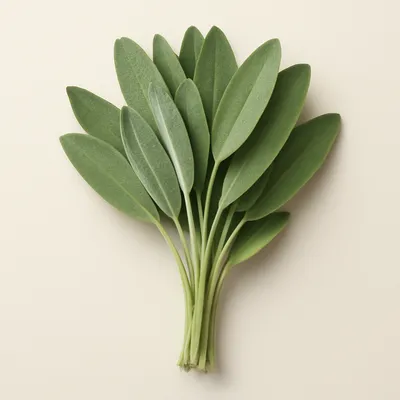
For the dry version, drain them and dress with browned butter and crisped sage, finishing with grated cheese.
Watch outHeat the butter past melting until the milk solids smell nutty and toasty for the browned-butter finish.
Archive tool suggestions — not reviewed
These legacy suggestions have not been evidence-reviewed and are not presented as required tools.


