
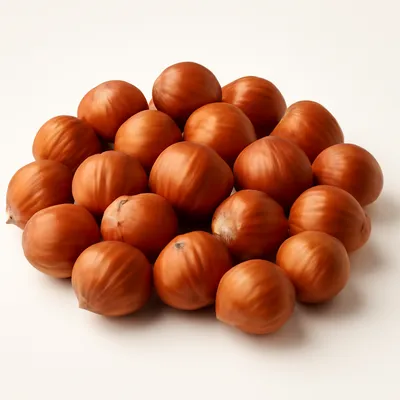
A small, ingot-shaped chocolate from Turin, the capital of Piedmont, made from gianduja — a smooth paste of cocoa, sugar and roasted Piedmont hazelnut. The signature nut is the Tonda Gentile delle Langhe, and gianduja proper is a blend of roughly 30 percent hazelnut paste with chocolate. The mixture is worked smooth, then portioned into the characteristic shape of a small upturned boat or ingot and individually wrapped in foil. It is eaten as a confection on its own, melting almost immediately on the tongue.

Gianduja was born of scarcity. During the Napoleonic era, the Continental System imposed in 1806 and Britain's answering naval blockade choked off cocoa supplies to the Italian states, and Turin's chocolatiers stretched their costly cocoa by cutting it with locally abundant Langhe hazelnuts. The named, ingot-shaped gianduiotto is documented to 1852, created by the Turin house Caffarel — its partner Michele Prochet being credited with refining the roasted-hazelnut paste. The sweet took its name from Gianduja, the Piedmontese mask of the commedia dell'arte and Turin's Carnival: the chocolates were famously handed out at the Turin Carnival of 1865 by figures dressed as Gianduja, and the mask's tricorn hat is often said to have inspired the shape.
It melts almost the instant it meets the warmth of the mouth — softer and lower-melting than a plain chocolate — releasing a deep, toasted-hazelnut sweetness wrapped in cocoa, with no graininess and only the faintest bitterness behind it. The texture is dense, smooth and fatty rather than snappy; a good gianduiotto has no waxy edge and no sandy nut particles. Eaten slightly cool it holds its ingot shape to the first bite, then collapses into a creamy paste. Stale or poorly stored, it blooms grey and tastes flat and dusty.
Two things give gianduja its melt. First, hazelnuts are about 60 percent oil, and grinding the roasted nuts to a paste releases that oil into the mix, so gianduja carries far more soft fat than plain chocolate and softens at a lower temperature. Second, roasting the hazelnuts before grinding develops their flavour through the Maillard reaction, building the toasted, nutty depth that raw nuts lack. As in all fine chocolate, the worked mixture must be brought through controlled cooling — tempering — so that the cocoa butter sets in its stable crystal form; properly tempered, the gianduiotto is glossy and firm at room temperature and resists the dull grey fat bloom that comes of careless setting.
Variations
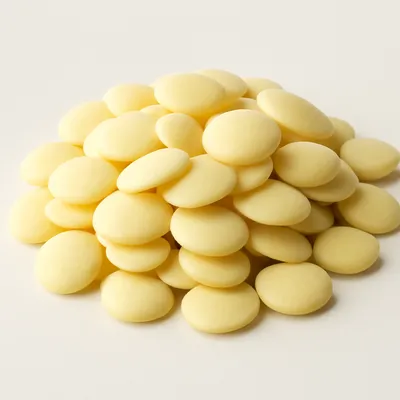
Gianduiotti are made in dark, milk and occasionally white-chocolate versions, and vary by the share and roast of the hazelnut. The same gianduja paste is spread on bread and fills countless pastries and gelati, and it is the direct ancestor of the spreadable hazelnut-cocoa creams that followed in the 20th century. Turin's other classic chocolate use of gianduja and cocoa is the bicerin, a layered hot drink of espresso, chocolate and milk. Beyond Turin, hazelnut-chocolate confections are made across Piedmont, but the foil-wrapped ingot gianduiotto remains the city's own.
On the Palate
Where Gianduiotto sits in the Italian flavor cloud
Ingredients
Serves 20How it's made
7 steps · 35 min active + 15 min waiting
- 112 min
Toast the shelled hazelnuts until fragrant and golden, then rub off the skins.
Watch outToast the hazelnuts until fragrant and golden — this Maillard browning builds the deep nutty flavor that raw nuts can't give.
- 210 min
Grind the warm hazelnuts with the sugar to a smooth, oily paste in a food processor or stone mill.
- 36 min
Melt the chocolate gently over a water bath, keeping it well below a scorch.
- 44 min
Stir the hazelnut paste into the melted chocolate until fully combined and glossy.
- 58 min
Temper the mixture by cooling and gently rewarming it to set the cocoa butter in its stable form.
Watch outTemper by cooling then gently rewarming so the cocoa butter sets in its stable form — skip it and the gianduiotto turns dull, soft and streaky instead of snapping clean.
- 65 min
Pipe or spoon the gianduja into small ingot or upturned-boat shapes and leave to set until firm.
- 75 min
Wrap each gianduiotto in foil and store cool, away from heat and strong smells.
Archive tool suggestions — not reviewed
These legacy suggestions have not been evidence-reviewed and are not presented as required tools.


