
Ricciarelli are soft, diamond- or lozenge-shaped almond cookies from Siena, in Tuscany. The dough is little more than ground almonds, sugar, and egg white worked into an almond paste, shaped, and dusted heavily with powdered sugar so that the surface crackles into a fine white web as it bakes. Inside they stay pale, moist, and chewy, closer to marzipan than to a crisp biscuit. They are above all a Christmas sweet of Siena, sold year-round alongside the city's panforte and cavallucci. Since 2010 the name has been protected in the EU as the geographical indication "Ricciarelli di Siena".


Ricciarelli belong to Siena's old almond-and-sugar confectionery tradition: from the late medieval and Renaissance period the city was known for marzipan, and small almond-paste sweets recorded as marzapanetti or morselletti were served at the banquets of wealthy Sienese families. These are generally taken as the direct ancestors of the modern cookie. The exact date of invention is unrecorded, and the present name is documented only from the 19th century, said to derive from riccio (curl), for the wrinkled, crinkled surface. A popular legend credits a knight, Ricciardetto della Gherardesca, with bringing them back from the Crusades, but this is folklore rather than history. The name "Ricciarelli di Siena" was registered as an EU Protected Geographical Indication (PGI/IGP) on 18 March 2010, the first Italian confectionery product to obtain the designation, covering production within the province of Siena.
A good ricciarello shatters at a thin, dry crust of powdered sugar, then turns soft, moist, and chewy underneath, with the dense pull of fresh marzipan and an intense almond aroma rounded by a faint bitter-almond note. It is tender, never snappy or crisp like the dry amaretti of Saronno, and is classically eaten with a glass of vin santo for dipping. A ricciarello that is hard, dry, or sandy through the middle has gone stale or been overbaked.
Ground almonds, sugar, and whipped egg white bind into a soft, sticky almond paste much like marzipan; the high proportion of ground almonds and sugar holds a great deal of moisture, which is the main reason the finished cookie stays soft rather than crisp. The shaped cookies are usually rested, often overnight, so the surface dries to a thin skin that later cracks cleanly through the icing-sugar coating in the oven. They are baked short and low, around 150 to 160°C, just until set and barely colored: a brief, gentle bake keeps the center pale and moist, while a hotter or longer bake drives off the moisture and dries them into hard biscuits. Because there is no flour, ricciarelli are naturally gluten-free.
Variations
Common variants dip or coat the cookies in dark chocolate, or work cocoa into the dough for chocolate ricciarelli, and many recipes scent the paste with candied orange peel or citrus oils. The broader cousin is amaretti morbidi, the soft almond macaroons made across Italy, of which ricciarelli are essentially the Sienese, lozenge-shaped form. Within Siena they sit alongside two other festive almond-and-spice sweets, the dense panforte and the spiced cavallucci, as the city's classic Christmas trio.
On the Palate
Where Ricciarelli sits in the Italian flavor cloud
Ingredients
Serves 6
How it's made
8 steps · 40 min
- 110 min
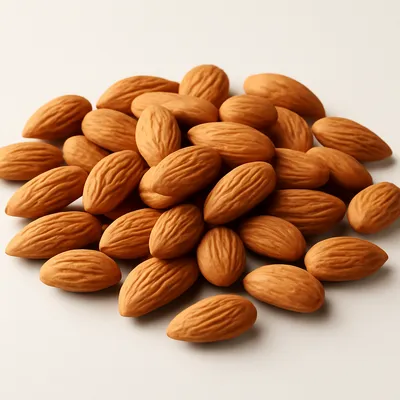
Blanch the almonds in boiling water for about 1 minute, slip off the skins, dry them well, then grind them very fine with part of the caster sugar.
- 25 min
Whisk the egg whites to soft peaks, then gradually whisk in the remaining caster sugar to a glossy meringue.
Watch outWhisk the whites to a glossy meringue before folding in the almonds — this trapped air keeps the finished cookie soft, not dense.
- 35 min
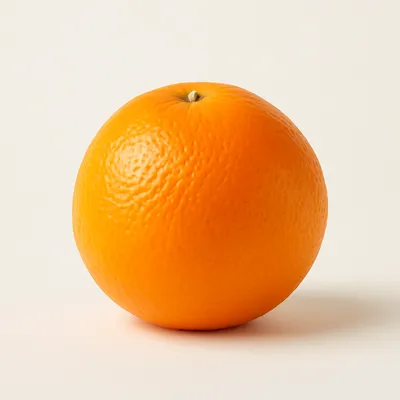
Fold the ground almond and sugar mixture into the meringue, adding the orange zest and almond extract, until a soft, sticky almond paste forms.
- 410 min
Dust a surface generously with powdered sugar, turn out the paste, and shape it into a log, then cut into pieces and form each into a small diamond or lozenge, about 1.5 cm thick.
- 55 min
Roll each cookie thickly in powdered sugar to coat completely, set on a lined tray, and leave to rest uncovered, ideally overnight, so the surface dries.
Watch outRest the sugar-coated cookies uncovered, ideally overnight, so a thin skin forms — that dried surface is what cracks cleanly through the sugar in the oven.
- 62 min
Heat the oven to 150°C. Dust the cookies once more with powdered sugar.
- 717 min
Bake for about 15 to 18 minutes, until just set and barely colored but still soft in the center; do not let them brown.
Watch outBake short and low, just until set and barely colored but still soft inside — let them brown and the center dries out hard instead of staying moist.
- 85 min
Cool completely on the tray, then dust again with powdered sugar before serving with vin santo.
Archive tool suggestions — not reviewed
These legacy suggestions have not been evidence-reviewed and are not presented as required tools.


