Ferrara's IGP-protected stuffed egg-pasta, folded into a peasant straw-hat silhouette around a sweet-savoury filling of oven-roasted violina pumpkin, grana cheese and nutmeg. First recorded at the Este court in 1584, they are dressed with either a slow meat ragù or browned butter and sage.



The first written record appears in the 1584 recipe collection of Giovan Battista Rossetti, scalco (steward) of the Este court of Duke Alfonso II d'Este in Ferrara, where they were listed as 'tortelli di zucca con il butirro'. Egg-pasta traditions in Ferrara are traceable to 1549 via Cristoforo da Messisbugo's Banchetti; squash cultivation in Ferrara province is documented from 1570. The rustic name cappellaccio—'big ugly hat' in Ferrarese dialect (caplàz)—contrasts with the dish's ducal origins, tracing its passage from Este tables to rural households over centuries. In 2016 the European Union granted Indicazione Geografica Protetta status, confining production to the province of Ferrara, with specifications requiring violina pumpkin, oven-roasting and the characteristic hat-fold measuring 4–7 cm.
Biting through the yielding egg-pasta shell reveals a soft, mildly sweet pumpkin filling with a savoury edge from grana cheese and a warm whisper of nutmeg; browned butter and sage add a nutty, herb-scented richness that bridges the sweet filling with the savoury sauce.
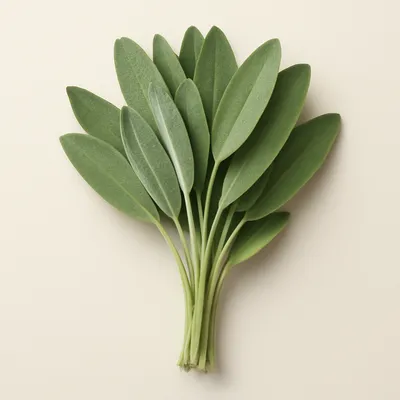
Oven-roasting the violina pumpkin at 180 °C triggers Maillard browning on the cut surface and caramelisation of natural sugars, concentrating flavour and driving off excess moisture (fresh pumpkin is ~90% water). Passing the pulp through a sieve removes fibrous cell walls, ensuring a smooth, cohesive filling; breadcrumbs absorb residual liquid, preventing leakage during boiling. In the pasta dough, gluten development during kneading provides elasticity; boiling causes starch gelatinisation and egg-protein coagulation, sealing the parcel. Butter browns to beurre noisette at ~130–150 °C via Maillard reactions in the milk solids, producing hazelnut-scented lactones; sage's volatile aromatic oils bloom rapidly in the hot fat.
Variations
Ferrara proper serves cappellacci with slow meat ragù (pork and beef) as the canonical choice. Adjacent Modena and Bologna favour butter, sage and extra grana. Some modern preparations substitute ricotta for a lighter filling, while Mantova-adjacent versions add crushed amaretti biscuits for extra sweetness. A paglia e fieno variant uses green spinach pasta and yellow plain pasta side by side.
On the Palate
Where Cappellacci di zucca ferraresi sits in the Italian flavor cloud
Ingredients
Serves 4How it's made
7 steps · 1 hour 30 min
- 150 min
Halve the violina pumpkin lengthways, brush the cut sides lightly with olive oil and place cut-side down on a baking tray. Roast at 180 °C for 45–50 minutes until completely tender when pierced and slightly caramelised.
Watch outRoast the pumpkin cut-side down until tender and lightly caramelized — this drives off the water (it's 90% water raw) and concentrates the flavor.
- 210 min
Scoop out the pulp; pass it through a fine sieve to remove fibrous strands. Spread the purée on a clean cloth and allow excess moisture to drain for 10 minutes.
Watch outSieve the pulp and let it drain — a wet filling leaks and blows the parcels open in the boiling water.
- 310 min
Combine the drained pumpkin purée with grated grana cheese, a handful of fine breadcrumbs and a generous grating of nutmeg; season with salt. The filling should hold its shape when pressed.
- 440 min
Mix 00 flour with eggs and a pinch of salt; knead for 10 minutes until smooth and elastic. Wrap and rest for 30 minutes.
- 520 min
Roll the dough to approximately 2 mm thickness; cut into 7–8 cm squares. Place a heaped teaspoon of filling at the centre of each square.
- 620 min
Fold each square diagonally to form a triangle, pressing firmly to seal the edges. Bring the two acute-angle corners around your finger and pinch them together to create the characteristic hat-like cappellaccio shape.
Watch outPress the edges firmly shut — any weak seam and the parcel opens and the filling washes out during boiling.
- 75 min
Cook in abundant salted boiling water for 3–4 minutes; drain and dress immediately with browned butter and fresh sage leaves, or spoon over warmed meat ragù. Finish with grated grana.
Archive tool suggestions — not reviewed
These legacy suggestions have not been evidence-reviewed and are not presented as required tools.