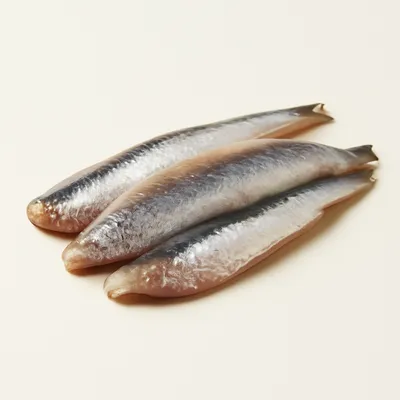
Calabria's 'caviale dei poveri' (poor man's caviar): a silky, spreadable preserve of tiny anchovy or sardine fry (neonata, traditionally under 3 cm) pounded with ground Calabrian chili, sea salt, and wild fennel seeds. A PAT-registered traditional product of the province of Crotone and the Ionian coast of Cosenza, spread on rustic bread or stirred into pasta as a seasoning. Also known regionally as rosamarina and nudicella.


Sardella is a living descendant of ancient fish paste traditions along the Ionian coast, closely related in chemistry and likely in lineage to Roman garum, the fermented fish sauce that was the universal condiment of the Roman world. The same Ionian coastline had been colonized by Greek settlers who also practiced fish preservation. Crucoli, in the province of Crotone, claims the title of capital of sardella production and has held an annual sardella festival since 1970, on the second Sunday of August. The product holds PAT (Traditional Agri-Food Product) status in Italy. The EU Mediterranean Regulation of 2006, fully enforced by 2010, restricted catches of blue fish under 11 cm, disrupting traditional production and forcing many producers to source imported substitutes.
Intensely briny and savory with deep marine umami; the Calabrian chili delivers building heat that spreads across the palate; wild fennel seeds provide a sweet, anise-like counterpoint; spread thick on rough bread, the flavor is fermented, complex, and richly addictive.
The tiny fish contain powerful endogenous proteases — cathepsins and calpains — that, in the presence of concentrated salt, break down myofibrillar proteins into free amino acids, especially glutamic acid and inosinic acid, generating intense umami without any external heat source. Salt creates osmotic pressure that draws moisture from the fish cells, forming a concentrated brine that inhibits spoilage microorganisms. Capsaicin from the Calabrian chili provides additional antimicrobial activity. The phenolic compounds in wild fennel seeds — primarily trans-anethole — contribute aromatic complexity and further antimicrobial protection. The overall biochemical process closely parallels Roman garum and Southeast Asian fish pastes in its enzymatic autolysis mechanism.
Variations
The Crucoli and Cirò style fully mashes the fry into a smooth, creamy paste with no visible fish; Cirò Marina and other Ionian coast towns produce chunkier versions with intact fish pieces. Some home producers blend anchovy and sardine fry. Since the EU fishing restrictions were enforced in 2010, many commercial producers substitute imported whitebait, altering the flavor profile. A sweet-only variant using sweet pepper without hot chili exists as a milder table condiment.
On the Palate
Where Sardella (Rosamarina) sits in the Italian flavor cloud
Ingredients
Serves 8How it's made
8 steps · 20 min
- 115 min
Source fresh neonata (tiny anchovy or sardine fry, under 3 cm) from trusted coastal fishmongers; rinse gently in cold water and pat thoroughly dry on clean cloths.
- 210 min
Spread a thin layer of coarse sea salt across the bottom of a ceramic or glass crock; add the first layer of fish fry, then alternate layers of fish and salt — roughly 4 parts fish to 1 part salt by weight.
Watch outHold the ratio near four parts fish to one part salt — too little and it spoils, too much and no amount of aging saves it; the salt is the whole preservation.
- 35 min
Scatter ground hot Calabrian peperoncino and sweet red pepper powder evenly between every second layer of fish; use approximately 2 parts hot to 1 part sweet for traditional Calabrian heat.
- 45 min
Add wild fennel seeds between each layer of fish, distributing them evenly throughout the mixture.
- 510 min
Using a wooden pestle, pound gently and stir to partially mash and incorporate the seasonings; work to a smooth, creamy consistency (Crucoli style) or leave chunky (Cirò Marina style) according to preference.
- 610 min
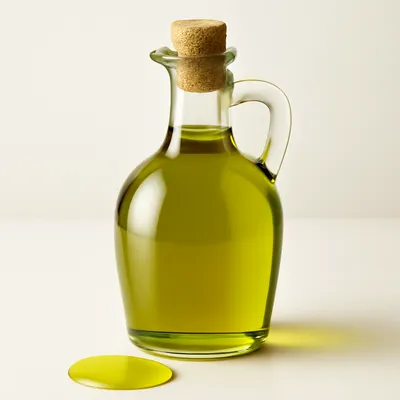
Pack the mixture firmly into sterilized glass jars, pressing down to eliminate air pockets; cover the surface with a thin film of olive oil and seal tightly.
- 75 min
Store in a cool, dark place for at least 3 days before tasting; flavor deepens significantly after 1–2 weeks as enzymatic breakdown progresses.
Watch outGive it at least three days before tasting — the umami only builds as the fish breaks down; rushing it tastes flat and raw-salty.
- 85 min
Serve spread generously on toasted rustic bread; alternatively, stir a spoonful into pasta cooking water to use as a seasoning base.


