A fresh short-ribbon pasta from the Amalfi Coast, invented in 1978 by chef Enrico Cosentino in Amalfi. The dough is worked with milk, olive oil, grated pecorino and chopped basil rather than relying on egg, giving stubby, irregular strands with a rough, sauce-gripping surface. Classically served ai frutti di mare, tossed with clams, mussels, prawns and squid in a light garlic, white-wine and cherry-tomato sauce. Listed among Campania's traditional agrifood products.
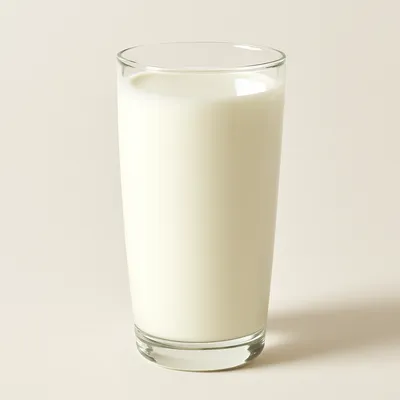
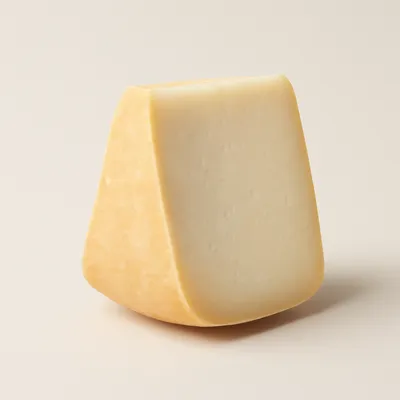
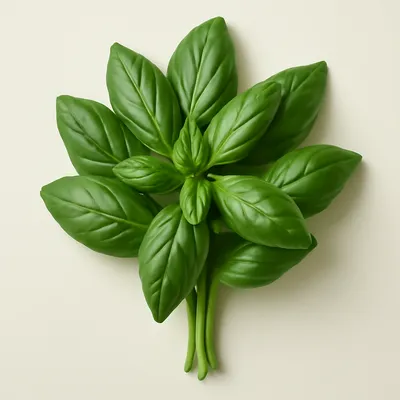
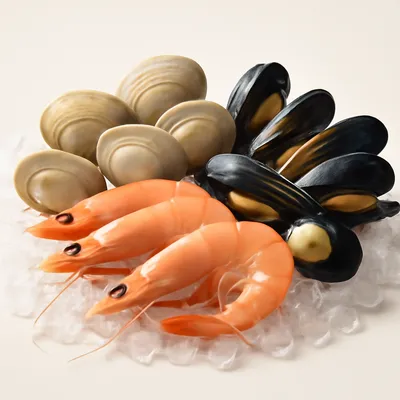


Scialatielli are a young pasta with an old-sounding name, created in 1978 in Amalfi by chef Enrico Cosentino, who presented them at a cookery competition and won the prize for entremetier of the year. The name joins two Neapolitan words, scialare, to enjoy oneself, and tiella, the pan. What sets the dough apart from ordinary fresh pasta is its enrichment with milk, a little olive oil, grated pecorino and finely chopped basil, so the pasta carries flavour of its own before any sauce, though many cooks add egg as well. Rolled and cut by hand, the strands come out shorter and wider than spaghetti, with a rough, irregular rectangular section. On the Amalfi Coast they are the classic partner for frutti di mare, and they are listed among Campania's traditional agrifood products.
Springy, milk-tender strands with a faint tang of pecorino and the green lift of basil, catching a briny sauce full of clams and mussels. The rough-cut pasta holds the sweet cherry-tomato and white-wine juices, and each forkful comes up with a bit of the sea.
The enriched dough is what makes scialatielli. Milk and olive oil coat the flour proteins and shorten the gluten, so the pasta stays tender and slightly porous rather than tight and elastic, while the grated cheese and basil are worked right into the crumb. Cut thick and rough by hand, the strands have a broken, matte surface that grips sauce far better than a smooth extruded pasta. For the sauce, clams and mussels are opened over high heat, the muscle that clamps the shells relaxing as its proteins denature and releasing their salty liquor; that liquor, with white wine and olive oil, emulsifies as the pasta finishes cooking in the pan, its released starch thickening the juices into a light sauce that clings. The seafood is cooked only briefly, since shellfish proteins toughen quickly once overheated.
Variations
Some cooks bind the dough with egg for a firmer strand, or use caciocavallo in place of pecorino. Beyond the seafood version, scialatielli are served with a simple tomato and basil sauce, with courgettes and prawns, or with a meat ragù. Away from Amalfi, dried factory-made scialatielli stand in for the hand-cut fresh pasta.
On the Palate
Where Scialatielli Amalfitani sits in the Italian flavor cloud
Ingredients
Serves 4


How it's made
7 steps · 40 min
- 135 min
Mound the flour and work in milk, olive oil, grated pecorino, chopped basil and a pinch of salt to a firm dough; knead until smooth and rest, covered, for 30 minutes.
- 215 min
Roll the dough out about 3-4mm thick and cut into short strands roughly 10cm long and 5mm wide; dust with flour and set aside.
- 315 min
Purge the clams and mussels in salted water, then scrub the shells and de-beard the mussels.
- 48 min
Gently fry sliced garlic and a little chilli in olive oil, add the clams and mussels, pour in white wine and cover until the shells open.
Watch outCover and steam the clams and mussels just until the shells gape open, then stop — keep going past that and the meat shrinks tough and rubbery.
- 55 min
Add halved cherry tomatoes, the prawns and the squid, and simmer briefly until just cooked.
- 63 min
Boil the scialatielli in plenty of salted water until al dente, a couple of minutes for fresh pasta.
Watch outBoil the fresh pasta only a couple of minutes to al dente — it finishes cooking in the pan, so pull it while it still has bite.
- 74 min
Drain the pasta into the pan and toss over the heat with a little cooking water until the sauce clings; finish with chopped parsley.
Watch outToss over the heat with a little pasta water until the shellfish liquor and oil emulsify and cling — this is what turns loose juices into a glossy sauce.
Archive tool suggestions — not reviewed
These legacy suggestions have not been evidence-reviewed and are not presented as required tools.


