Tonara's nougat is the most singular of Sardinian sweets: made without a gram of added sugar, its sole sweetness comes from mountain honey — arbutus (corbezzolo) or wildflower millefiori — beaten with egg whites for nearly an hour until ivory-white, dense and cloud-soft, then studded with toasted almonds, hazelnuts, and walnuts pressed between edible wafer sheets. The turronargios of the Barbagia have produced it for village feasts and the Easter Monday sagra since the 19th century.
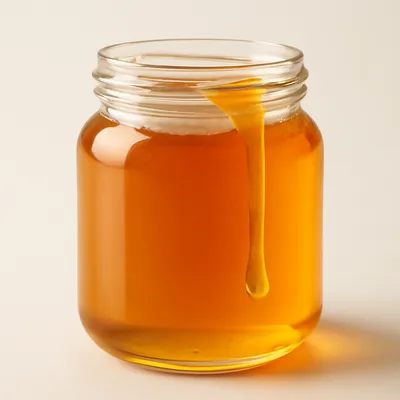

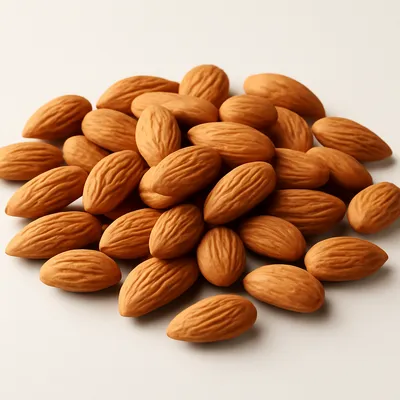
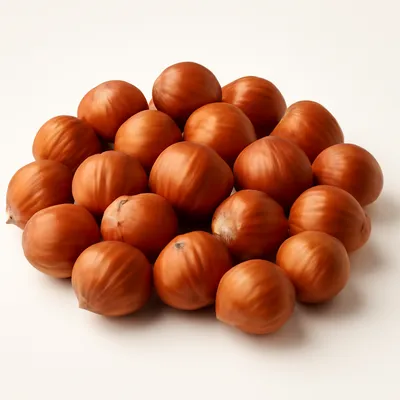


Torrone di Tonara is rooted in the Barbagia highland of Sardinia, where mountain honey has been the primary shepherd's sweetener for millennia. Nougat production in Sardinia is documented in Sassari from 1614; by the second half of the 19th century Tonara had emerged as the island's dedicated epicenter. The trade was organized around specialist families — the Carta clan in Tonara, the Meloni and Calledda families in nearby Aritzo — known as turronargios, who supplied seasonal fairs and feast-day markets. Each Easter Monday Tonara holds the Sagra del Torrone, drawing visitors from across Sardinia.
Tonara's nougat is yielding and tender, not brittle: it gives gently under the teeth without sticking. The first note is pure mountain honey — floral in the millefiori version, faintly bitter with wild berry in the corbezzolo variety. Almonds deliver crunch, walnuts a mild bitterness, hazelnuts a creamy softness; together they punctuate the ivory paste with texture and warmth, while the wafer sheet dissolves silently on the tongue.
Egg white proteins — primarily ovalbumin — unfold during high-speed beating and wrap around air bubbles to form a stable meringue foam. When hot honey (heated to approximately 130°C) is poured in a thin stream, the heat further denatures the proteins and locks the bubbles into a dense, sponge-like network. Honey's high fructose content (around 38%) resists crystallization far more than sucrose, keeping the final nougat soft and pliable rather than brittle. Beating for 40–45 minutes allows the mixture to cool gradually while micro-crystals of glucose precipitate into the protein matrix, yielding the ivory color and smooth grain. Pre-toasted nuts undergo Maillard reactions between 130–150°C, generating aromatic volatiles that layer with corbezzolo honey's bitter glycosides and millefiori's floral esters.
Variations
The town of Aritzo, adjacent to Tonara, favors walnuts as the dominant nut for a slightly more bitter, darker nougat. Extended cooking time reduces moisture content and produces a firmer, sliceable block suited to long storage. Contemporary producers sometimes add dried fig or citrus peel for aromatic variety; a hard variant is made by cooking honey to a higher temperature before beating.
On the Palate
Where Torrone di Tonara sits in the Italian flavor cloud
Ingredients
Serves 12
How it's made
7 steps · 20 min
- 115 min
Blanch almonds briefly in boiling water; slip off skins. Toast almonds, hazelnuts, and walnuts separately in a dry skillet over medium heat until golden and fragrant; spread on a clean cloth and keep warm.
- 210 min
In a stand mixer or large bowl, whip egg whites with a pinch of salt to stiff, glossy peaks.
- 310 min
In a heavy-bottomed saucepan, heat honey over medium heat, monitoring with a thermometer; bring to approximately 130°C (firm-ball stage).
Watch outTake the honey to about 130, firm-ball stage — a drop in cold water should form a firm ball; too low and the nougat never sets chewy.
- 45 min
With the mixer running on its lowest speed, pour the hot honey into the egg whites in a slow, continuous stream, keeping the bowl tilted to avoid spattering.
Watch outPour the hot honey into the whites in a thin, steady thread with the mixer low — dump it in fast and you cook the whites into lumps.
- 545 min
Increase speed to medium; beat the honey-meringue mixture vigorously and continuously for 40–45 minutes. The mass will gradually become very dense, ivory-white, and pull away cleanly from the bowl.
Watch outBeat the full 40-plus minutes until the mass is dense, ivory, and pulls cleanly from the bowl — stop early and it stays sticky and won't slice.
- 65 min
Add the warm toasted nuts all at once; fold and press until evenly distributed throughout the nougat.
- 710 min
Line a rectangular mold or loaf pan with edible wafer sheets. Pour in the nougat and press flat; top with another wafer sheet, pressing firmly. Allow to cool and set at room temperature for at least 4 hours, then refrigerate for 1 hour before slicing.
Archive tool suggestions — not reviewed
These legacy suggestions have not been evidence-reviewed and are not presented as required tools.



