
A loaded, modern Roman pasta that piles the elements of the city's four great sauces into a single pan: the guanciale and egg yolk of carbonara, the tomato of amatriciana, the pork-and-pecorino backbone of gricia, and the peppery cheese of cacio e pepe, with sausage and often a little fiery 'nduja thrown in. Rigatoni is the agreed-upon shape, its ridges and wide tube made to catch the thick, meaty sauce. Guanciale and sausage are rendered and browned, tomato is simmered in, and the pan is finished off the heat with egg yolks and pecorino whisked to a creamy gloss. Excessive, rich, and unapologetically so — the name, Roman dialect for something gloriously dirty and overstuffed, says as much.
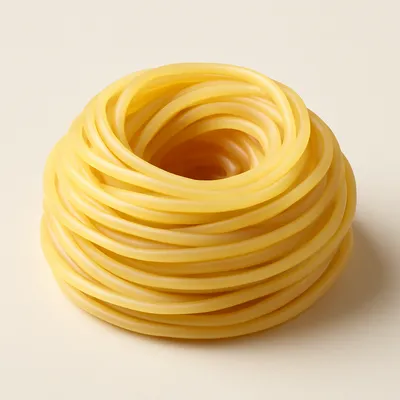

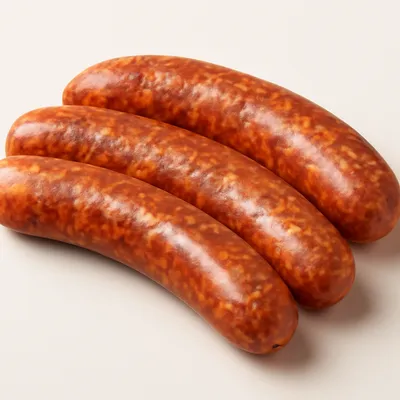
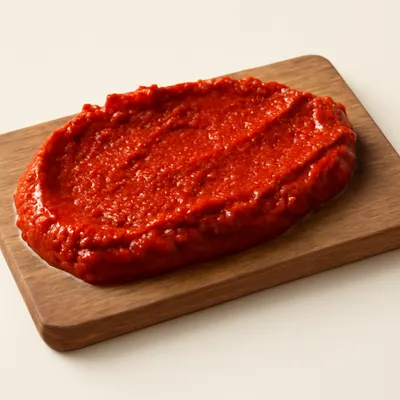


This is a modern Roman "everything pasta," not an old one, and its precise origin is undocumented. It openly fuses the building blocks of Rome's four canonical pastas — carbonara, amatriciana, gricia, and cacio e pepe — into one indulgent plate, and is best understood as a product of recent Roman home and trattoria cooking that spread widely (and across Italy) through social media in the past decade or so rather than a dish with an ancient pedigree or a named inventor. The name comes from Romanesco, the Roman dialect: zozzo literally means "dirty," but applied to food zozzona is affectionate, marking something rich, greasy, hearty, and crammed with everything — what Romans call zozzeria. It is often filed under Roman cuisine, yet it is now cooked far beyond the city.
Big, savory, and layered. Each forkful carries crisp-edged guanciale, crumbled sausage, and the sweet pork fat that has soaked into the sauce, set against a tomato that reads tangy rather than sweet and a low hum of chili from the 'nduja. Pecorino brings sharp salt and the egg-yolk finish a velvety, almost custardy slickness that coats the rigatoni inside and out. It is heavy by design; one generous bowl is plenty, and the ridged tubes deliver sauce and meat in the same mouthful.
It runs on two Roman techniques stacked together. First, guanciale and sausage are rendered and browned so their fat and fond build the base; a soffritto of onion softens in that fat, the pan is deglazed, then tomato and 'nduja go in and simmer until the sauce is thick and the flavors marry. The decisive move comes at the end and is borrowed straight from carbonara: off the heat, egg yolks beaten with grated pecorino and loosened with a little starchy pasta water are tossed through the hot pasta, where residual warmth thickens the yolk just to a creamy coating. The pan must be off direct flame — yolk sets near 65°C and scrambles past about 70°C — so the heat of the pasta and a splash of pasta water, whose starch helps the egg and fat emulsify, carry it to a glossy sauce rather than scrambled egg.
Variations
Recipes vary in what goes in the meaty base: many use only guanciale and sausage, while others add 'nduja for heat or a few slices of pancetta. Onion is common but not universal — purists leaning toward gricia and carbonara leave it out. Pork sausage may be sweet or fennel-spiced Italian salsiccia, crumbled or sliced; the egg can be all yolks for richness or yolks plus a whole egg. Rigatoni is near-canonical, though mezze maniche and other ridged tubes are used, and the dish takes happily to a heavier or lighter hand with chili.
On the Palate
Where Pasta alla Zozzona sits in the Italian flavor cloud
Ingredients
Serves 4

How it's made
7 steps · 35 min active + 10 min waiting
- 18 min
Bring a large pot of salted water to the boil for the rigatoni, and finely chop the onion; cut the guanciale into short batons and crumble or slice the sausage.
- 26 min
Render the guanciale in a wide pan over medium heat until its fat runs and the edges crisp, then add the sausage and brown it, breaking it up.
Watch outRender the guanciale until its fat runs and the edges crisp — that fat and fond is the base of the whole sauce, so don't rush it.
- 34 min
Add the chopped onion to the rendered fat and soften it to a soffritto, then add the 'nduja and let it melt into the fat.
- 415 min
Stir in the San Marzano tomatoes, season, and simmer until the sauce thickens and the flavors come together, about 15 minutes.
- 55 min
Meanwhile cook the rigatoni until al dente, reserving a cupful of starchy pasta water; in a bowl whisk the egg yolks with the grated pecorino and a little pasta water.
- 63 min
Toss the drained rigatoni through the meat sauce, then take the pan off the heat and stir in the yolk-and-pecorino mixture, loosening with pasta water until creamy and glossy.
Watch outStir in the yolk-and-pecorino off the heat, loosening with pasta water — direct flame scrambles the yolks; residual warmth thickens them to a creamy coating.
- 71 min
Finish with a generous grating of pecorino and black pepper and serve at once.
Archive tool suggestions — not reviewed
These legacy suggestions have not been evidence-reviewed and are not presented as required tools.


