Risotto al tastasal is one of Verona's most representative rice dishes, built on Vialone Nano Veronese IGP rice and 'tastasal' — the fresh seasoned pork mince prepared identically to the raw filling of Veronese sopresse and salamelle sausages. Crumbled into the rice partway through cooking and finished with cold butter and Grana Padano in a vigorous mantecatura, it carries the earthy soul of the Veronese plains: peppery, faintly spiced, and deeply satisfying. It shares the stage with risotto all'Isolana as the emblematic dish of the Fiera del Riso at Isola della Scala.





The name tastasal means 'taste the salt' in the Venetian dialect: farm women across the Veronese countryside would fry a small patty of fresh seasoned pork mince — the same mix they would pack into sausage casings for sopresse and salamelle — to verify its salt and spice level before casing. This routine quality-check fry became a dish when the test patty was broken directly into a pan of cooking rice. The risotto is inseparable from Vialone Nano Veronese IGP rice, cultivated exclusively in 24 municipalities of the Verona province and granted Protected Geographical Indication by the EU in 1996. Each September, the Fiera del Riso at Isola della Scala — one of Europe's largest rice fairs — crowns risotto al tastasal and risotto all'Isolana as its two signature dishes.
The risotto flows onto the plate all'onda — in a gentle wave — rice grains distinct yet held in a glossy, creamy emulsion. The tastasal breaks through in bursts of savoury, peppery pork fat in every forkful, with a whisper of cinnamon and rosemary threading underneath; the butter-and-cheese finish leaves a warm, coating richness that lingers.
Vialone Nano is a semifino Japonica-type rice whose surface starch is rich in amylopectin, which gelatinises under heat and the abrasion of continuous stirring to release a creamy slurry binding the dish. Its amylose-rich core resists hydration, keeping each grain firm and al dente. The tastasal's intramuscular fat renders at medium heat and emulsifies into the starchy liquid, amplifying body. At the finish, cold butter beaten in off the heat (mantecatura) creates a stable oil-in-water emulsion: fat globules kept just below their full melting point disperse uniformly through the hot starch matrix, yielding the characteristic all'onda consistency — flowing but not soupy.
Variations
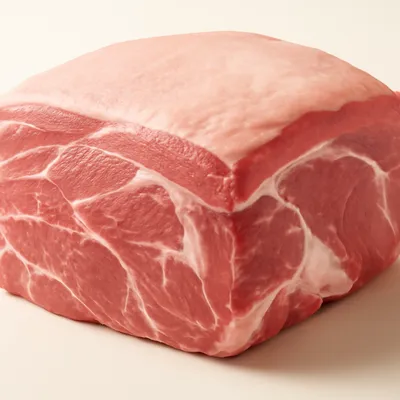
The tastasal spice blend varies by family: most use salt and coarse black pepper; some add cinnamon, cloves, garlic and rosemary. Pork shoulder is most common; neck yields a richer fat content. Grana Padano is the traditional finishing cheese; Parmigiano-Reggiano is used by some cooks though it departs from the local tradition. A soft wine (Valpolicella or Bardolino) is occasionally splashed in during cooking. Vegetarian adaptations substitute roasted pumpkin purée or chestnuts, departing significantly from the original.
On the Palate
Where Risotto al tastasal sits in the Italian flavor cloud
Ingredients
Serves 4
How it's made
7 steps · 15 min
- 110 min
Prepare the tastasal: finely mince the pork shoulder; mix thoroughly with abundant coarse salt, a generous tablespoon of coarsely ground black pepper, a pinch of cinnamon, and a few torn fresh rosemary leaves; fry a small patty in a dry pan and taste — adjust salt until the seasoning is bold and correct.
Watch outFry a tiny patty and taste before committing — tastasal should read boldly salted and peppery; adjust now, because you can't season it once it's in the risotto.
- 23 min
Pour the meat broth into a separate small pot and bring to a gentle simmer; keep at a low, steady simmer throughout the risotto cooking.
- 38 min
Melt 30 g of butter in a wide, heavy-bottomed saucepan over low heat; add the finely diced onion and sweat gently, stirring occasionally, for 8 minutes until completely soft and translucent.
- 43 min
Raise heat to medium; add the Vialone Nano rice to the soffritto and toast, stirring constantly, for 2–3 minutes until the outer edges of each grain turn slightly opaque.
- 55 min
Add the tastasal to the rice, breaking it apart with a spoon; stir briefly to combine, then begin ladling in hot stock one ladle at a time, stirring continuously.
- 618 min
Continue adding stock and stirring for 18–20 minutes on medium heat, maintaining a vigorous but controlled simmer; the rice should be cooked but still carry a definite bite at the core.
Watch outKeep a lively but controlled simmer, stirring constantly — the rice should be done yet keep a firm bite at the very core.
- 75 min
Remove the pan from heat; beat in the remaining cold butter and the grated Grana Padano (mantecatura) with vigour; cover and rest 2 minutes, then serve immediately so the risotto flows in a gentle wave.
Watch outBeat the cold butter and cheese in hard off the heat — this is what makes it flow like a wave; on the flame it splits into grease.
Archive tool suggestions — not reviewed
These legacy suggestions have not been evidence-reviewed and are not presented as required tools.



