A humble restorative soup-mush from Cogne, at the foot of the Gran Paradiso, built on the mountain trinity of flour, stale bread and fontina bound with butter. In its base form it is a pottage of rye and wheat flour cooked with bread, fontina and butter; its best-known version, pèilà nèira or 'black mush', simmers the valley's dark rye bread in milk and finishes it with butter-fried croutons, melted butter and diced fontina until thick and comforting. It stands apart from Cogne's other emblem, the rice-based seupetta: this is the flour-and-bread one.
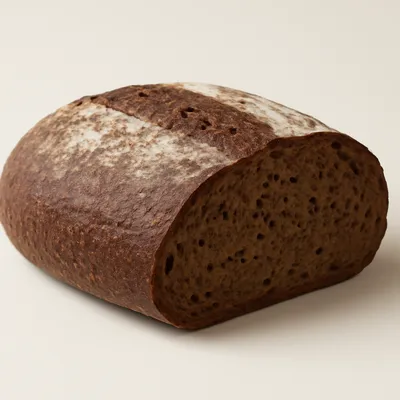



A dish of Cogne, the village at the foot of the Gran Paradiso, and one of two soups the town is known for. Valdostan sources describe the base version as a minestra of rye and wheat flour with bread, fontina and butter; the darker pèilà nèira builds instead on the region's hand-made black rye bread simmered in milk. Local tradition credits the recipe to César-Emmanuel Grappein, the physician who served as Cogne's mayor in the early nineteenth century, and is said to have valued it for its restorative, curative properties. It sits beside, but apart from, Cogne's rice-based seupetta, and belongs to the wider Valdostan habit of stretching stale bread and mountain cheese into a warming pottage.
Thick and soft, somewhere between a soup and a spoonable porridge, the colour of dark bread. It tastes deeply of toasted rye and butter, with the fontina melting into salty, savoury threads; the fried croutons give points of crunch against the warm, soft mush. Plain mountain food, filling and gentle.
Stale bread is the key. As bread ages its starch retrogrades, the amylose and amylopectin recrystallising and shedding water so the crumb hardens; that firm, dry crumb can soak up milk or broth and swell without collapsing into paste, as fresh bread would. Rye flour adds its own thickening: rich in pentosans (arabinoxylans), it binds several times its weight in water, giving the mush a dense, moist body. Over gentle heat the starch from bread and flour gelatinises and the whole thickens with no added starch, while the fontina's casein network loosens and its fat is released to enrich the pottage; kept below a boil, the cheese melts to soft threads instead of seizing. Butter carries fat-soluble aromatics and, in the fried croutons, browns the bread's surface by Maillard reactions for a toasted contrast.
Variations
The base pèilà is a rye-and-wheat-flour pottage with bread, fontina and butter; the celebrated pèilà nèira starts from the valley's black rye bread simmered in milk, finished with butter-fried croutons, melted butter and diced fontina. It is one of Cogne's two signature soups, the flour-and-bread counterpart to the rice-based seupetta, and shares the Valdostan logic of turning stale bread and fontina into a restorative dish.
On the Palate
Where Pèilà sits in the Italian flavor cloud
Ingredients
Serves 4
How it's made
7 steps · 15 min
- 110 min
Cut stale black rye bread into cubes, keeping a handful aside for croutons.
- 212 min
In a pot, warm the milk with a little water or light broth, add the larger share of bread and simmer gently, stirring, until the bread breaks down.
Watch outSimmer gently, stirring, until the bread completely breaks down into the milk — lumps left now stay lumps in the finished mush.
- 38 min
Stir in the rye and wheat flour and cook, stirring, until the mush thickens.
- 46 min
Fry the reserved bread cubes in butter until golden and crisp, then set aside.
- 54 min
Off the fiercest heat, stir the diced fontina into the hot mush until it melts into threads, and season with salt.
Watch outStir the fontina in off the fiercest heat until it melts into threads — too hot and the cheese seizes greasy instead of pulling smooth.
- 62 min
Stir a spoonful of melted butter through to finish.
- 72 min
Ladle into bowls, scatter the butter-fried croutons over and serve very hot.


