Orzo e fasoi, 'barley and beans', is the sustaining peasant soup of Carnia and the wider Friuli: pearl barley and borlotti beans cooked long and thick over a soffritto enriched with lardo, thickened by the beans' own starch until a spoon can stand in it. Once winter food and a one-dish meal, it pairs cereal and legume for a full, warming bowl, eaten hot in the cold months and barely warm in summer.




Orzo e fasoi is a pillar of Friulian cucina povera, most specifically of Carnia, born of thrift: pairing cereal with legume yields good protein and keeps a household fed through the mountain winter, so the bean earned its name as 'the poor man's meat'. The soup leans on local beans, the near-round borlotti of Carnia, the prized beans of Pesariis, the rare Florina di Lusevera still shelled by hand, and, in the most Carnic versions, the smoked speck of Sauris. A local anecdote holds that Napoleon's soldiers, campaigning through Friuli up to the Treaty of Campoformio in 1797, had to make do with such humble bean soups in place of their beloved cassoulet.
The soup is thick and creamy without any cream, the pearl barley yielding and slightly chewy, the borlotti soft and floury, some collapsed into the broth. Lardo and, where used, smoked speck lend a rounded, savoury depth; a grind of pepper and a thread of oil sharpen a bowl that is filling to the point of a meal.
Soaking the beans overnight hydrates them for an even, quicker cook. Long, gentle simmering gelatinises the beans' starch and softens their cell walls, so some break down and thicken the broth. Pearl barley is milled to strip the hull and expose the starchy endosperm; over a long cook it releases starch and, above all, soluble beta-glucan, which thickens the soup into its spoon-standing body. Mashing one cooked potato back in adds more free starch. The pairing is nutritionally deliberate: barley supplies the amino acids the bean lacks and the bean those the grain lacks, making a complete protein from cheap larder staples.
Variations
The most Carnic version uses mountain borlotti and the smoked speck of Sauris; elsewhere in Friuli lardo, pancetta or a ham bone stand in. Some cooks toast the pearl barley in the lardo before it goes into the pot, for a deeper, nuttier flavour. The same barley, toasted and cooked risotto-style with broth added a ladle at a time, becomes orzotto, often dressed in spring with wild greens, first among them sclopit, the bladder campion. It is distinct from jota, the local soup built on sauerkraut rather than barley.
On the Palate
Where Orzo e fasoi sits in the Italian flavor cloud
Ingredients
Serves 6


How it's made
7 steps · 20 min
- 1480 min
Soak 300 g dried borlotti beans in plenty of cold water overnight; next day, drain them.
- 290 min
Put the beans and one whole peeled potato in a pot, cover well with cold water and simmer gently for about 1.5 hours, until the beans are soft.
Watch outSimmer the beans gently until truly soft — some should slump and break to thicken the broth; underdone, they stay grainy and the soup never bodies up.
- 315 min
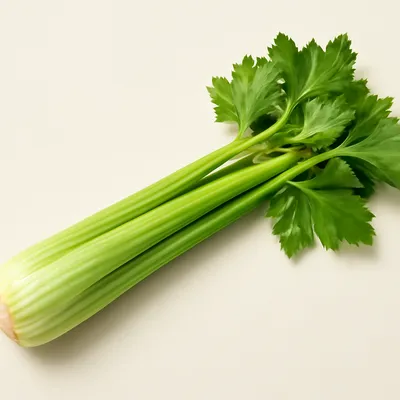
Meanwhile finely dice 50 g lardo, 1 onion, 1 carrot and 1 celery stalk; render the lardo in a heavy pot, then sweat the vegetables to a soft soffritto.
- 45 min
Lift out the cooked potato, mash it and stir it back into the beans to thicken them.
- 55 min
Tip the beans and their liquid into the soffritto with a bay leaf; dice the second potato and add it with 200 g pearl barley, topping up with hot water to a loose soup.
- 640 min
Simmer for about 40 minutes, stirring now and then, until the barley is tender and the soup thickens; season with salt and pepper.
Watch outCook until the barley is tender and the soup thickens enough for a spoon to stand — the beta-glucan needs the full time to set that body.
- 710 min
Rest off the heat for 10 minutes, then serve hot, thick enough for a spoon to stand, with a thread of olive oil.


