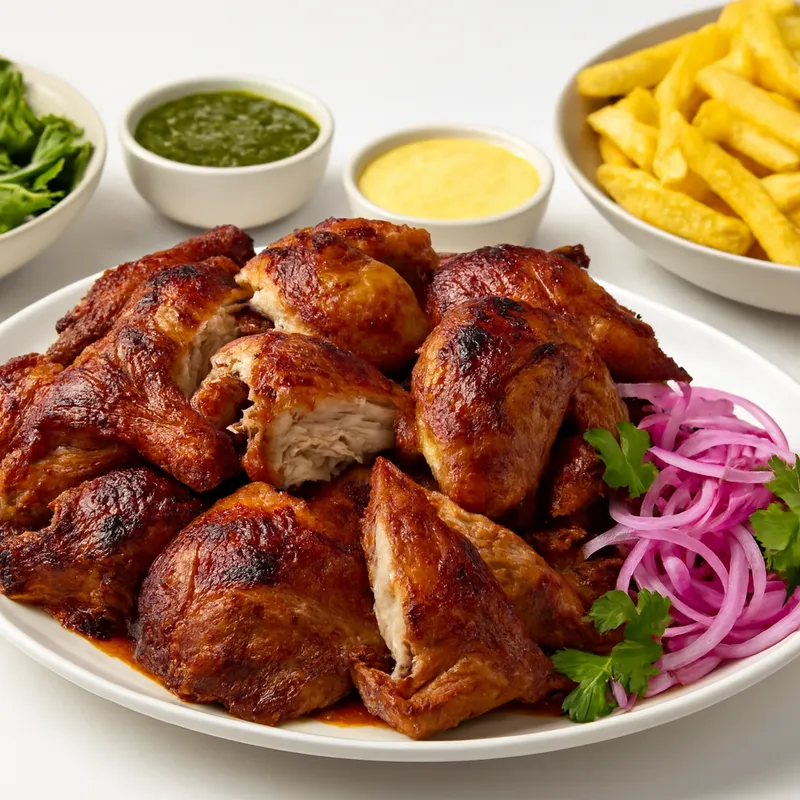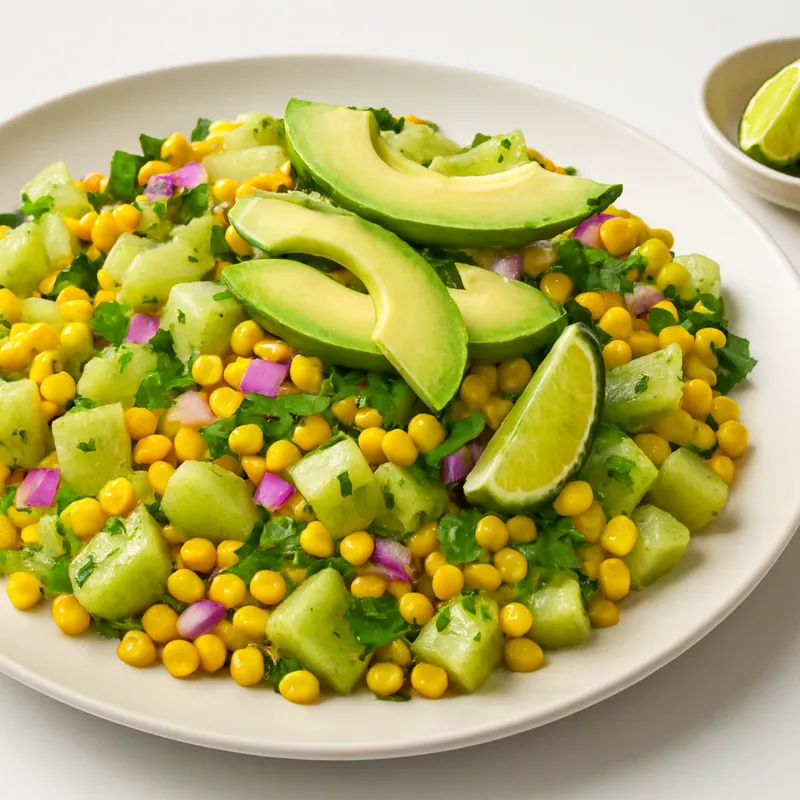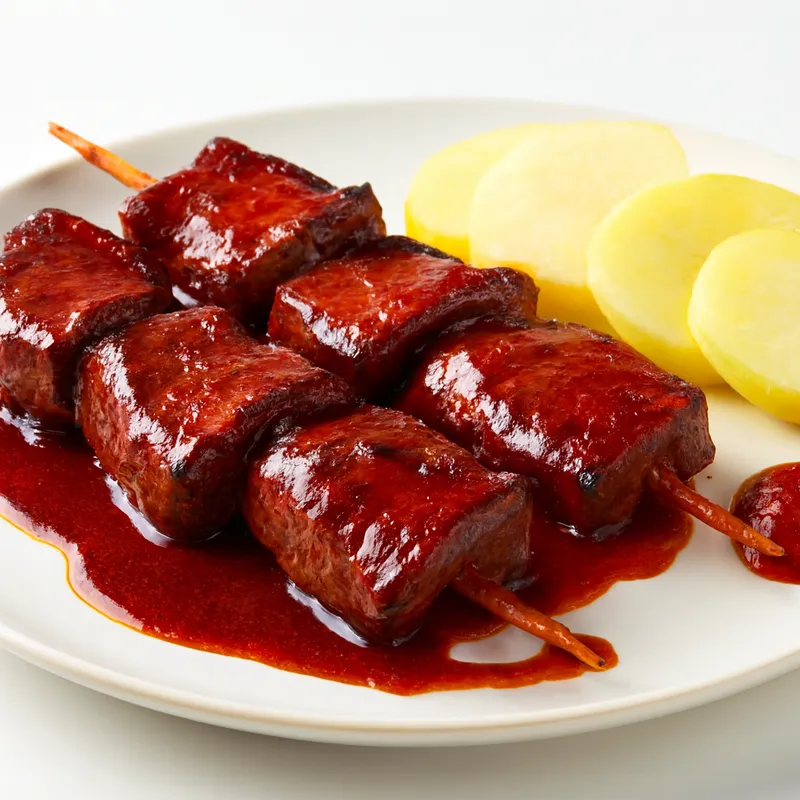
Costeña
Pacific kitchen — ceviche, lomo saltado, ají amarillo, citrus — Lima-Trujillo-Arequipa coast.
Ceviche
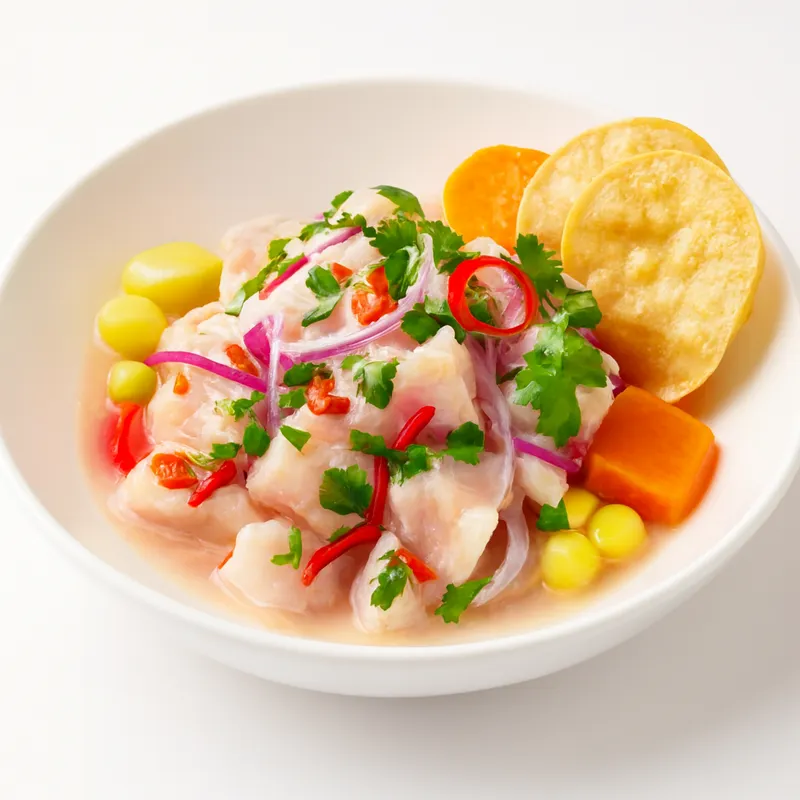
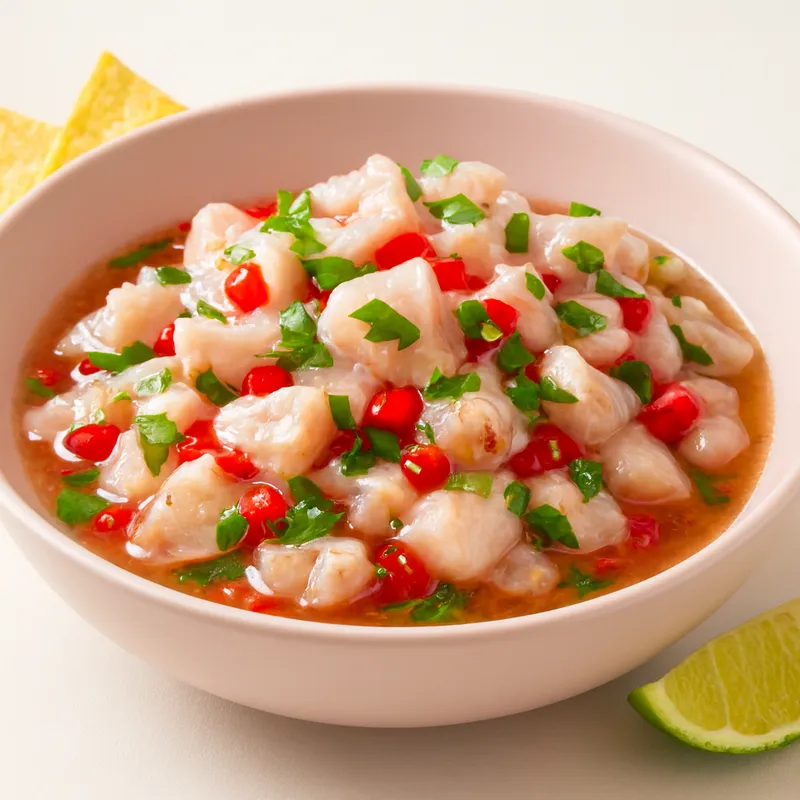
Ceviche, a dish of raw fish marinated in citrus juices, epitomizes the fresh and vibrant flavors of Peruvian coastal cuisine.
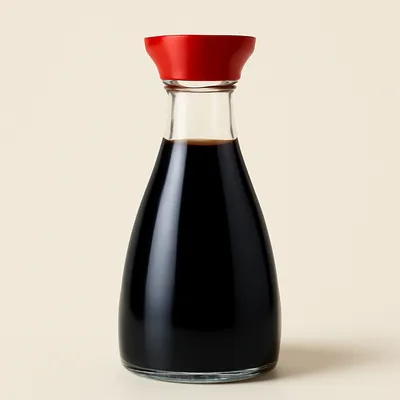
View page →Costeña (Peruvian coastal) cuisine is the most-internationally-known Peruvian cuisine — the Lima-Trujillo-Arequipa coastal kitchen that has been declared 'World's Leading Culinary Destination' 11 of the last 12 years. The cuisine sits at a unique multicultural crossroads: pre-Columbian Andean ingredients (potato, corn, ají, quinoa, sweet potato) + Spanish colonial techniques (rice, stews, breadwork) + African slave traditions (frituras, sofrito-based stews) + Chinese (Chifa: soy sauce, stir-fry, oyster sauce) + Japanese (Nikkei: sashimi-cutting, soy, miso) + Italian (tallarines verdes, parmesan). No other Latin American cuisine has this depth of fusion.
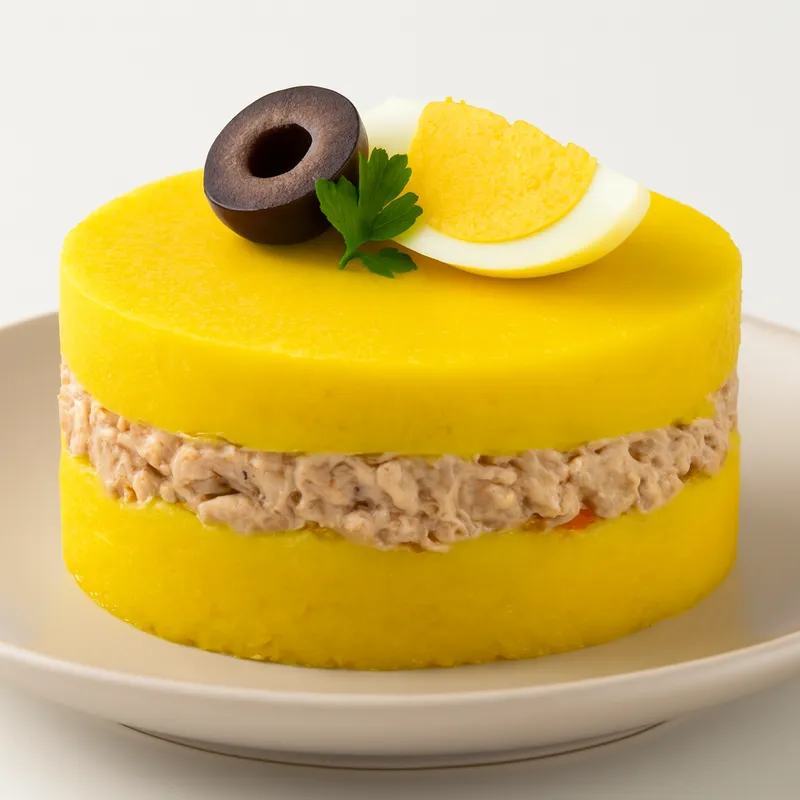
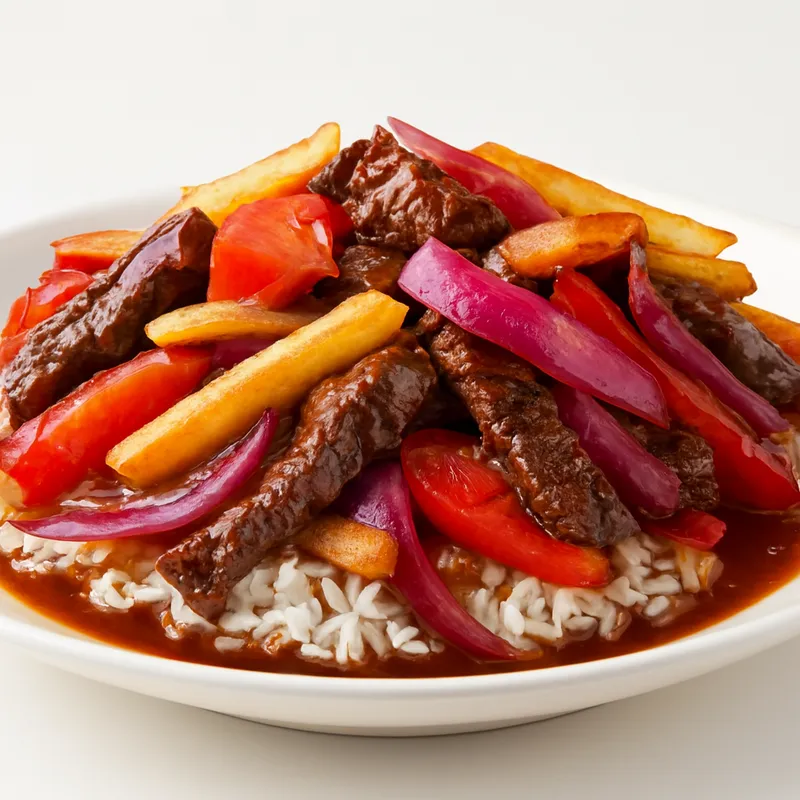
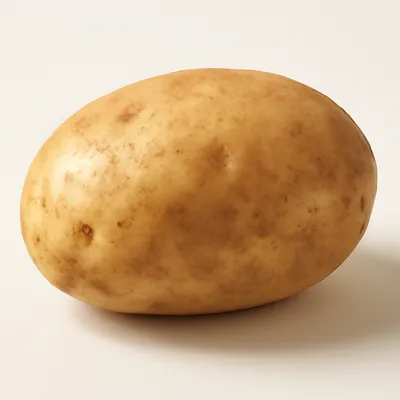
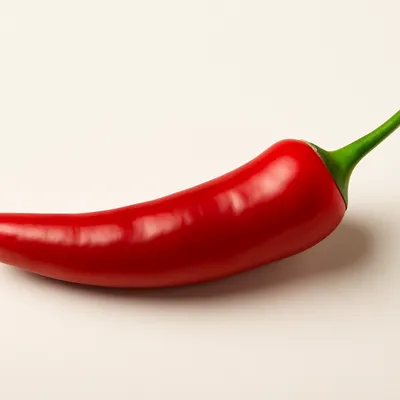
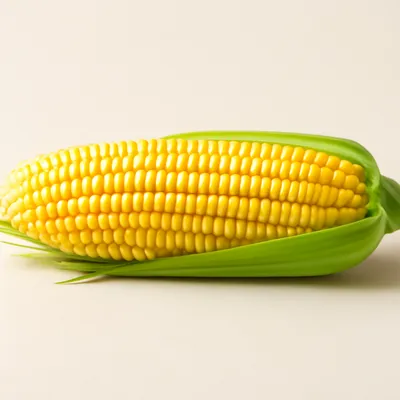
Signature ingredients are ají amarillo (the canonical Peruvian yellow pepper, tropical-fruity-mildly-hot), ají panca (smoky-mild brown pepper, used in slow stews), lime (used in ceviche and tiradito), fresh Pacific seafood (Lima cevicherías serve daily-caught fish), corn (the giant kernels of choclo), and Peruvian yellow waxy potatoes (4000+ varieties in Peru). Signature dishes: Ceviche (raw fish in citrus, the national dish), Lomo Saltado (Chinese-Peruvian beef stir-fry), Causa Rellena (yellow-potato terrine), Tacu Tacu (rice-and-bean cake), Picarones (squash doughnuts), and Suspiro a la Limeña (caramel-meringue dessert). Lima's restaurant scene is now among the world's most-decorated — Maido, Central, and Mayta consistently rank in World's 50 Best Restaurants.
The Pantry


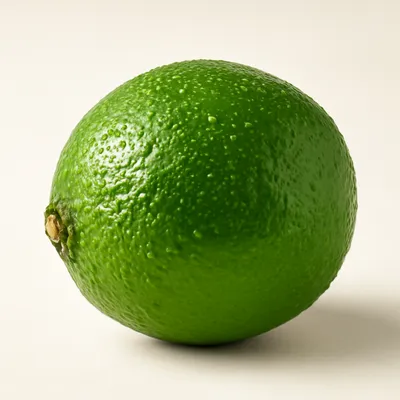



See all 125 ingredients›

















Dairy & Fats












How They Cook
Techniques that define this cuisine
Kindred Kitchens
Cuisines built on the same signature ingredients
Other regions
Siblings within Peruvian — each its own tradition.