


Tanzanian
Pilau from Zanzibar, mchuzi wa samaki along the coast, mtori from Kilimanjaro, vitumbua at morning tea — East African Swahili-coast cooking with Omani-Arab spice heritage and Indian Ocean fusion.
Pilau
Long-grain rice cooked with beef (or goat or chicken) in a fragrant broth of cardamom, cinnamon, cloves, cumin, and saffron — the Tanzanian celebration rice served at every wedding and Eid. Originated in Zanzibar from Omani-Arab influence; now mainland-Tanzanian household standard. Distinguished from Indian biryani by single-pot cooking and the local spice ratio.
View page →Tanzanian cooking shares its East African foundation with Kenya — ugali, nyama choma, sukuma wiki — but tilts more strongly toward Swahili-coastal influences. Coconut milk is foundational; cardamom, cinnamon, cloves (from Pemba island, historically the world's leading clove producer), and saffron perfume the food more than in Kenya. Pilau is the Tanzanian festive rice with Zanzibar-Arab heritage. Mtori (green-banana-and-meat soup) comes from the Chagga people of Kilimanjaro; mbaazi wa nazi (pigeon peas in coconut) and mchuzi wa samaki (fish curry) define the Swahili coast. The Zanzibar archipelago — formerly an Omani Arab sultanate — gave the cuisine its strongest Arab-Indian threads. Mainland and island cooking are notably different; tourists often experience only Zanzibar style.
The Palate
Start Here
Saffron-and-spice-fragrant beef rice cooked in one pot with cardamom, cinnamon, cloves, and burnt-edge caramelized onions — Tanzanian wedding-and-Eid centerpiece with Zanzibar-Arab origins.
Why start here · Pilau is the Tanzanian national celebration rice — more aromatic and Arab-influenced than the Kenyan version. Every Tanzanian wedding serves it; mastering it is the entry point.
Long-grain rice cooked in coconut milk with cinnamon and cardamom — Tanzanian-Swahili everyday coastal rice that goes with every fish curry, bean stew, and grilled meat.
Why start here · Wali wa nazi is the simplest and most-defining Swahili-coast side. Once you've eaten it with fish curry, you understand why coastal Tanzanians and Zanzibaris build their meals around it.
Coconut-tomato-tamarind fish curry with cumin, coriander, turmeric — the Swahili-coast signature seafood dish served with wali wa nazi.
Why start here · Mchuzi wa samaki is what makes Zanzibar's reputation — the coconut-tomato-tamarind triad is one of world cooking's great trio combinations.
Green banana and beef slow-cooked into a thick golden porridge-soup — Chagga people's Kilimanjaro signature, a complete meal in one bowl.
Why start here · Mtori shows that Tanzanian cooking isn't only coastal — the highland Chagga tradition is just as distinct. Eating mtori is touching the Kilimanjaro foothills.
The Pantry




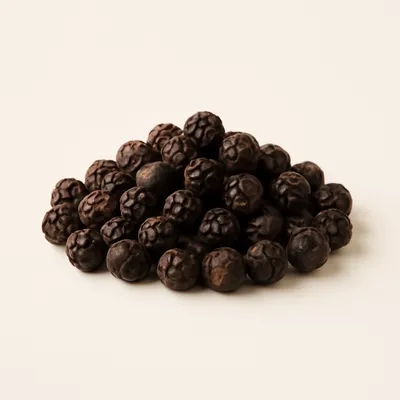



See all 39 ingredients›
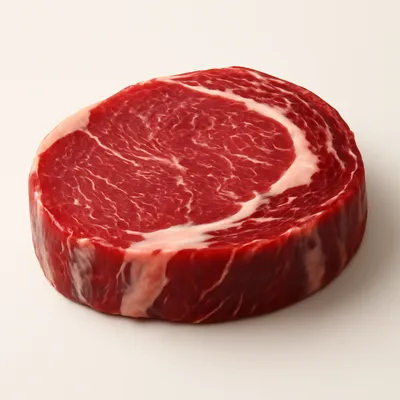


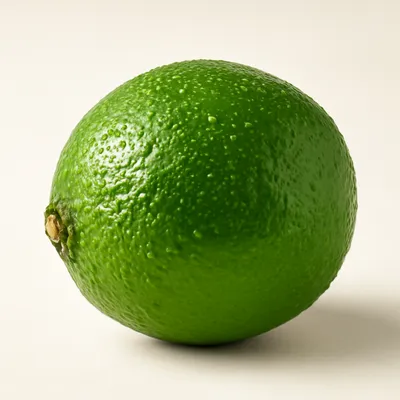


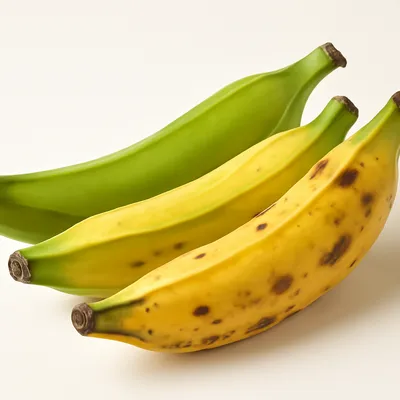


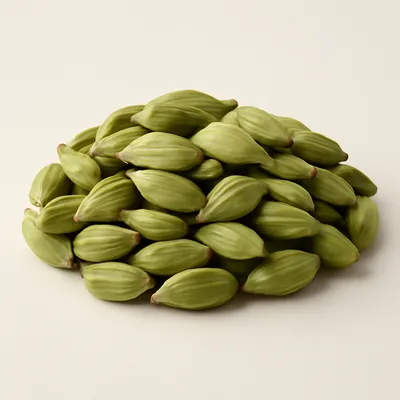
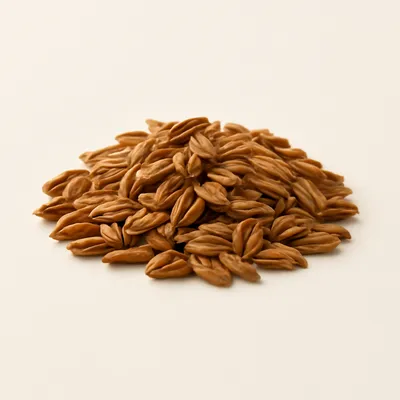
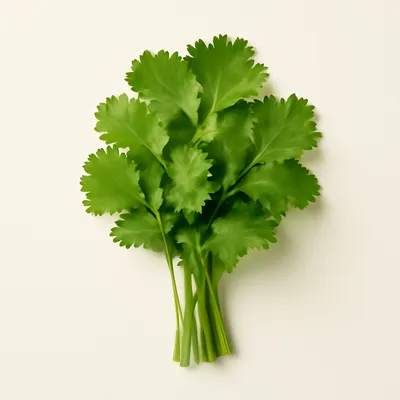




Grains & Staples


Dairy & Fats



Sauces & Condiments


On the Map
Where this cuisine is found
Regional Styles
Zanzibar Archipelago
Unguja (main island) and Pemba — the Swahili-Arab-Indian fusion heart, formerly Omani Sultanate. Cloves from Pemba (largest world producer), pilau and mchuzi wa samaki perfection, dazzling Stone Town street food (Forodhani Gardens night market).
Dar-es-Salaam & Coast
The largest city and its surrounding mainland coast — modernizing Swahili cooking, Indian-Tanzanian fusion, the mishkaki street-food evening culture. Bridge between island and inland.
Kilimanjaro & Northern Highlands
Mount Kilimanjaro region around Moshi and Arusha — Chagga people, banana-cultivation heartland (matoke), coffee farms, mtori soup tradition. Cooler climate, heartier dishes.
Central & Dodoma
Central Tanzania around the official capital Dodoma — Gogo people, grain-based cooking with millet and sorghum, less Swahili-coastal influence, simpler vegetable preparations.
Lake Victoria & Western Tanzania
Western lake regions around Mwanza — Sukuma people, Lake Victoria tilapia (samaki), grain and bean cooking. Less coconut milk than coast; more dried fish and millet.
How They Cook
Techniques that define this cuisine
See 1 more techniques›
Kindred Kitchens
Cuisines built on the same signature ingredients


