
Pigeon peas slow-simmered in coconut milk with onions, garlic, ginger, cumin, and turmeric until creamy and golden — the iconic Swahili-coast vegetarian breakfast paired with mandazi or chapati. Eaten warm with the bread for dipping, or as a light supper with chunks of fresh mango on the side.





Mbaazi wa nazi ('pigeon peas in coconut' in Swahili) is one of the foundational Swahili-coast dishes, eaten across coastal Tanzania, Kenya, Comoros, and northern Mozambique. Pigeon peas (mbaazi; Cajanus cajan) were domesticated in India — archaeobotanical and genetic evidence points to eastern peninsular India, with the wild progenitor Cajanus cajanifolius still found in Odisha, and seed finds in Maharashtra dating to roughly the 2nd-3rd century BC (~3,500 years of cultivation); the older 'African origin' hypothesis has been overturned. The crop spread to East Africa, where it met the coconut palm (itself carried west by Austronesian voyaging). The pairing is so old and widespread across the Swahili coast that no single origin claim exists. Modern Dar-es-Salaam breakfast stalls sell mbaazi wa nazi with mandazi every morning; tourists in Zanzibar are often served it at hotel breakfasts.
Spoon brings up creamy golden coconut sauce holding plump pigeon peas — earthy and nutty against the silky coconut richness. Cumin and turmeric warm the bite; ginger pulses subtly. A scoop with hot mandazi torn from the platter is the canonical Swahili-coast breakfast pairing; the sweet pastry and the savory-creamy beans balance perfectly. Lighter than many vegetarian protein dishes, deeply nourishing.
Mashing a few peas releases their starch which naturally thickens the coconut sauce — a no-flour technique shared across Swahili-coast cooking. Adding spices in dry-heat oil first (before coconut milk) blooms their volatile compounds; adding to liquid alone would leave them muted. Coconut milk's fat content prevents the peas from breaking apart during the simmer; water-based cooking would mush them.
Variations
Mbaazi with smoked fish (Tanzanian coastal mainland version) adds chunks of smoked tilapia or octopus in the last 5 min. Sweet mbaazi (children's version) uses coconut milk + sugar + cardamom for breakfast porridge style. Vegan mbaazi without ginger is the simpler interior-Tanzania version. Modern Dar-es-Salaam cafés serve mbaazi-stuffed mandazi as a fusion brunch dish.
On the Palate
Where Mbaazi wa Nazi sits in the Tanzanian flavor cloud
Ingredients
Serves 4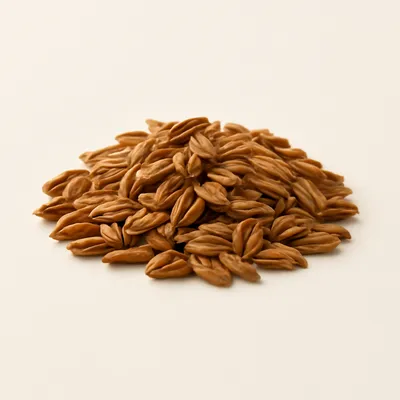





How it's made
10 steps · 25 min active + 1 hour 5 min waiting
- 155 min
If using dried pigeon peas: soak 250 g overnight, then simmer in fresh water with a pinch of salt 50-60 min until tender. Drain. If using canned: drain 2 cans (about 500 g cooked weight), rinse, and skip the soak.
- 28 min
Heat 3 tbsp coconut oil (or vegetable oil) in a heavy pot over medium-high. Add 1 large chopped onion. Cook 7 min until soft and slightly golden.
Watch outTake the onion to soft with just an edge of gold, not brown — burnt onion turns the whole coconut sauce bitter.
- 35 min
Add 4 chopped garlic cloves + 1 tbsp grated fresh ginger + 1 chopped tomato. Cook 4 min.
- 42 min
Stir in 1 tsp ground cumin + 1 tsp ground turmeric + ½ tsp ground coriander + ½ tsp salt + ¼ tsp black pepper. Cook 1 min.
Watch outToast the ground spices in the oil for that full minute until they smell fragrant and nutty — dumping them into liquid later leaves them raw and flat.
- 51 min
Add the cooked pigeon peas. Stir to coat in the spice mixture.
- 62 min
Pour in 400 ml coconut milk. Stir; bring to gentle simmer.
- 717 min
Reduce heat to medium-low. Simmer uncovered 15-18 min, stirring occasionally, until the sauce thickens and coats the peas (about 80% of the original liquid volume remaining).
Watch outSimmer until the sauce clings to the peas and a spoon dragged across the bottom leaves a brief trail — that's about right.
- 81 min
Mash a few peas against the pot's side to thicken the sauce naturally.
Watch outMash just a few peas against the side — enough to cloud and thicken the sauce, not turn it to mush.
- 91 min
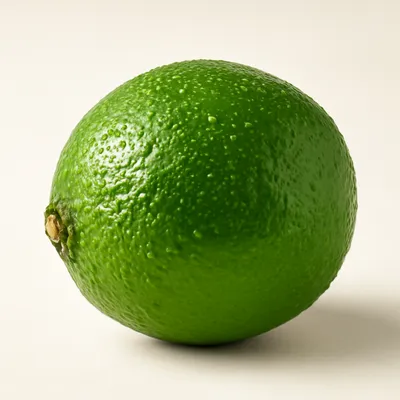
Taste; adjust salt. Optional: a squeeze of lime juice or a small pinch of sugar to balance.
- 105 min
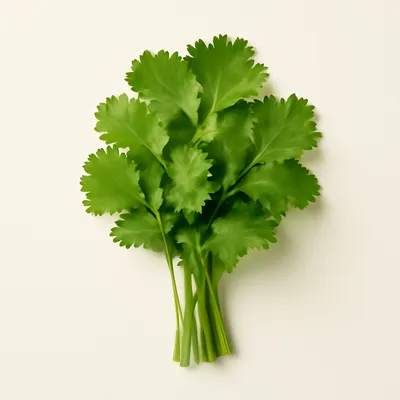
Garnish with 3 tbsp chopped fresh cilantro. Serve warm with mandazi (fried sweet bread), chapati, or as a side to plain wali wa nazi (coconut rice). Slices of fresh mango on the side is the Zanzibar breakfast touch.


