
Long-grain rice cooked with beef chunks (or goat or chicken) in a single deep pot, perfumed with a generous bouquet of cardamom, cinnamon, cloves, cumin, black pepper, and saffron threads — the Tanzanian national-celebration rice, originated in Zanzibar from Omani-Arab influence and now mainland-standard. More fragrant and complex than its Kenyan cousin; the wedding-and-Eid grain.
Tanzanian pilau (also pilao) originated on the island of Zanzibar during the Omani Sultanate era (1698-1856), when the trading port brought Arab, Persian, Indian, and African culinary influences into one cuisine. The dish migrated from Zanzibar to mainland Tanzania over the 19th-20th centuries via Swahili-coast trade. Today every Tanzanian wedding, every Eid celebration, every funeral mourning meal features pilau served on a large communal platter; mainland and island versions differ slightly in spice ratio (mainland tilts heavier on cumin; island uses more cardamom and saffron).
A fork lifts saffron-golden rice with tender beef chunks and dark caramelized onion threaded through. The aroma is more complex than Kenyan pilau — saffron's honey-floral note over cardamom, cinnamon, clove, and cumin. Each grain is separate and fragrant; the meat is fall-apart tender. Eat with kachumbari or roast vegetables on the side.
Burnt-onion technique (12 min until very dark) is the distinctive Tanzanian pilau base — provides both color and a slight bitter-edge that balances the sweet spice. Saffron threads bloomed in warm milk (rather than water) release more color and aromatic compounds via fat-solubility. The 22-min covered cook + 12-min rest is the rice-perfection window: shorter is undercooked, longer or any peeking releases steam and ruins the texture.
Variations
Pilau ya kuku uses bone-in chicken — Friday and weekday version. Vegetarian pilau (pilau ya mboga) uses potatoes, carrots, and chickpeas. Coastal Zanzibar version adds coconut milk and uses more cardamom; mainland Dar-es-Salaam version uses more cumin. Saffron is optional but elevates the wedding version. Some Dar bistros serve pilau in individual ramekins as starter portions.
On the Palate
Where Pilau sits in the Tanzanian flavor cloud
Ingredients
Serves 6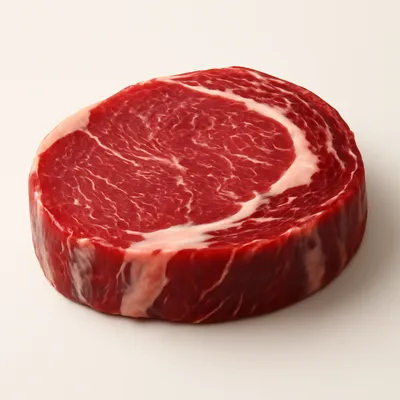
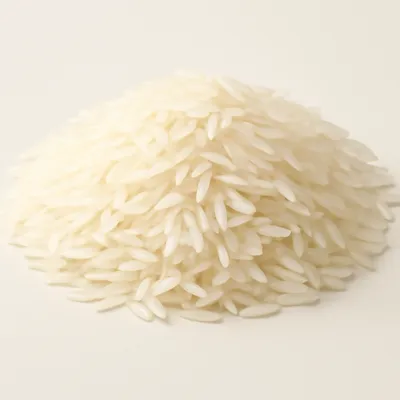




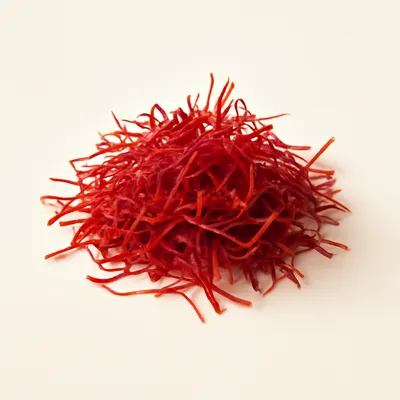

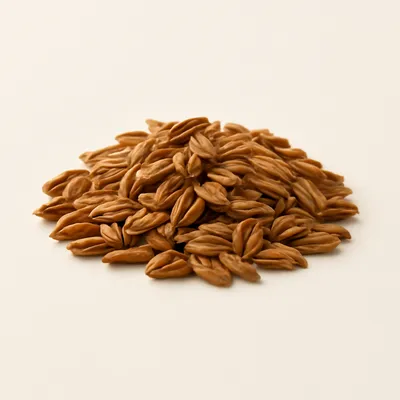





How it's made
12 steps · 35 min active + 55 min waiting
- 14 min
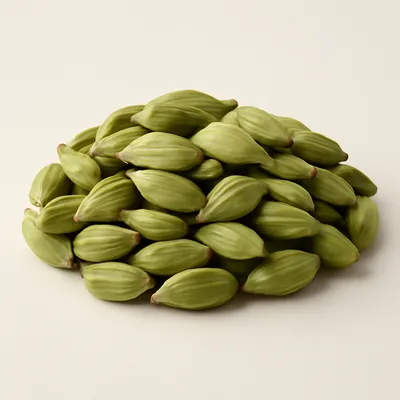
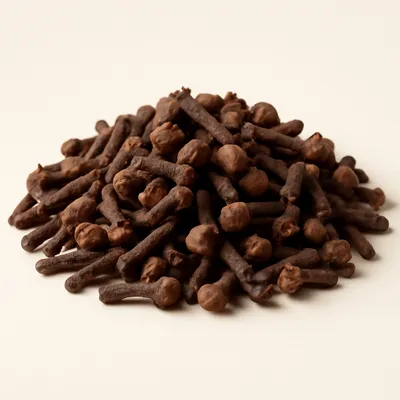
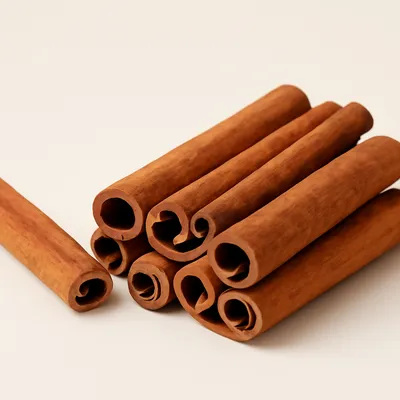
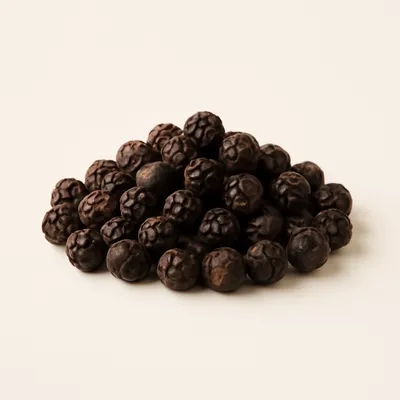
Spice mix: toast in a dry skillet over medium 90 sec: 1 tbsp cumin seeds + 1 tbsp coriander seeds + 8 cardamom pods + 6 cloves + 1 cinnamon stick (broken) + 1 tsp black peppercorns. Grind to coarse powder (2-3 tbsp total). Set aside.
- 222 min
Rinse 500 g long-grain basmati rice in cold water until water runs clear. Soak 20 min; drain.
- 317 min
Soak a pinch (15 threads) saffron in 2 tbsp warm milk 15 min. Reserve.
- 414 min
Heat 4 tbsp vegetable oil + 1 tbsp ghee in a heavy deep pot over medium-high. Add 2 large thinly-sliced onions; fry 12 min until very deep golden-brown (this is the Tanzanian pilau secret — onions must be almost-burnt).
Watch outOnions go from golden to deep mahogany and smell nutty-sweet, not sharp — that's the signal to stop.
- 51 min
Add 5 chopped garlic cloves + 1 tbsp grated ginger; cook 1 min.
- 69 min
Add 700 g beef chuck cut into 4-cm cubes. Brown 8 min, turning.
- 73 min
Stir in the spice mix + 1 tbsp tomato paste + 1 tsp salt. Cook 2 min until fragrant.
- 842 min
Add 800 ml hot water (or beef broth) + 1 bay leaf. Bring to gentle simmer. Cover; simmer 40 min until beef is fork-tender.
- 94 min
Add the drained rice. Stir gently. Pour in the saffron-milk infusion. Liquid should just cover the rice (about 200 ml above the rice surface); add hot water if needed.
Watch outLiquid should sit about a fingertip above the rice — roughly 200 ml over the surface.
- 1023 min
Cover tightly. Reduce to lowest heat. Cook 22 min undisturbed.
- 1113 min
Off heat, rest covered 12 min. Don't lift the lid until ready.
Watch outOff heat, let it rest sealed 12 minutes so the steam settles and grains firm up separate.
- 126 min
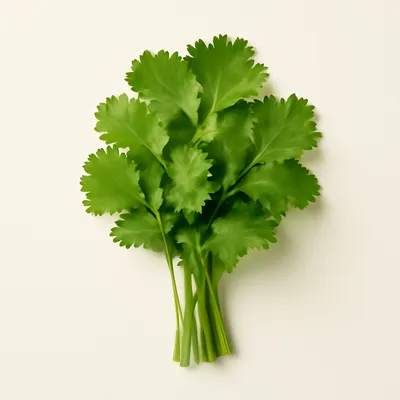
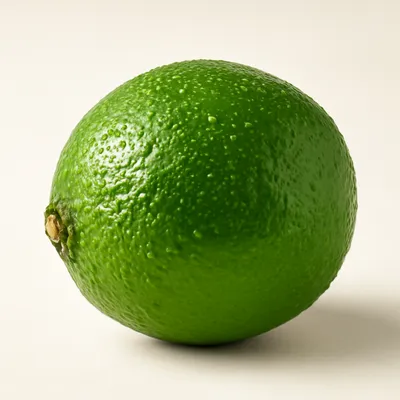
Gently fluff with a fork. Garnish with 4 tbsp chopped fresh cilantro and lime wedges. Serve hot in a wide platter — Tanzanian wedding presentation arranges meat chunks on top with vegetables and saffron rice fanned around.


