
Puerto Rico's national rice — yellow rice slow-cooked with pigeon peas, sofrito, and pork, topped with the prized pegao (crispy bottom-of-pot crust) that diners fight over.



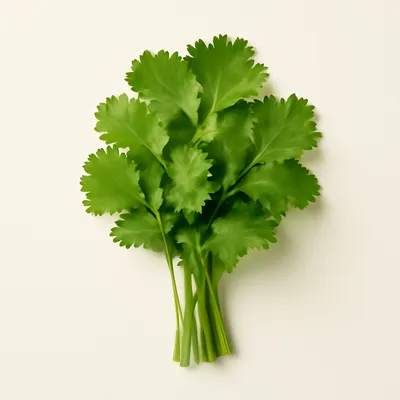

Arroz con gandules is Puerto Rico's most-cited rice dish and the country's unofficial national dish — served at every Christmas, every birthday, every Sunday. The 'gandules' are pigeon peas (Cajanus cajan); though the plant was first domesticated in the Indian subcontinent, it spread west to Africa, and it was enslaved West Africans who carried it to the Caribbean, where it is now grown across the island. The sofrito base — ají dulce peppers, recao (culantro), cilantro, garlic, onion, tomato — is the Puerto Rican holy trinity of seasoning. The pegao (the crispy rice bottom that forms in the caldero) is so prized that it's negotiated for like dessert.
Spoon into the rice: each grain is yellow-tinted from sazón and sofrito, fragrant with bay and pork. Bite a gandule (pigeon pea) — slightly sweet, slightly nutty, holding its shape. The olive's briny snap punctuates. Then go for the pegao — the bottom-of-pot crust shatters in the mouth, deep-toasted rice with a faint smoke note. That's the prize.
Pegao formation is precise: rice on the bottom of the caldero stays in contact with hot metal long enough to dehydrate and Maillard-brown without burning. The trick is the foil-and-lid double seal — it keeps steam pressure even so the top rice cooks while the bottom toasts. Lifting the lid releases pressure and ruins both the top texture and the pegao formation.
Variations
San Juan classic uses canned gandules; rural versions use fresh ones from the tree; Christmas version adds chunks of pork shoulder; vegetarian version skips the pork and adds more sofrito — the rice and pegao are non-negotiable.
On the Palate
Where Arroz con Gandules sits in the Puerto Rican flavor cloud
The prized crispy pegao at the bottom only forms if you commit to the seal: bring the rice to a boil, drop to the lowest heat, cover tightly with foil under the lid, and never lift it, because every peek releases steam and ruins both the fluffy top and the toasted crust.
Ingredients
Serves 8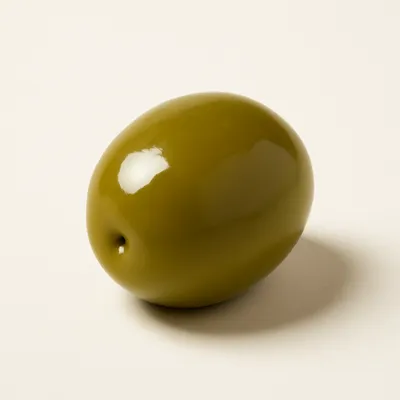



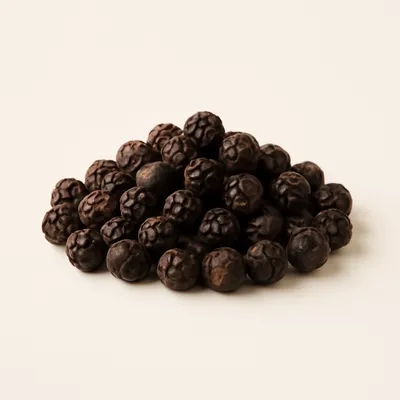
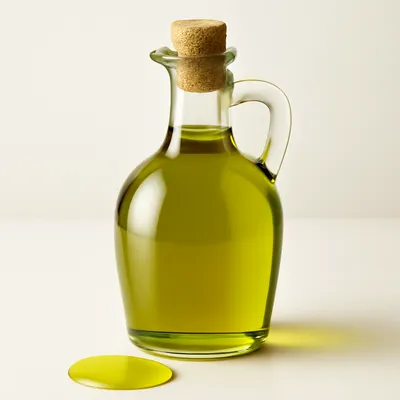

How it's made
5 steps · 30 min active + 45 min waiting
- 110 min
Make Puerto Rican sofrito if not on hand: blend 4 ají dulce peppers, 1 cubanelle pepper, 1 onion, 1 head garlic (peeled), 1 bunch culantro/cilantro, 4 sweet peppers — should yield about 250g paste.
- 210 min
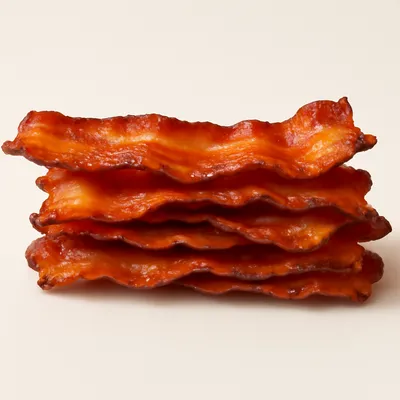
In a heavy caldero (or Dutch oven), heat 3 tbsp oil. Add 150g diced salt pork or bacon; render until crispy, 6 min. Add 60g sofrito; cook 4 min until fragrant.
Watch outRender the salt pork until the bits are crisp and the fat is clear before the sofrito goes in.
- 34 min
Stir in 1 tbsp tomato paste, 1 packet sazón (or 1 tsp paprika + 1 tsp annatto powder + 1 tsp ground cumin + 1 tsp salt), 2 bay leaves, 1 tsp pepper, 50g sliced green olives, 2 tbsp olive brine. Cook 2 min.
- 46 min
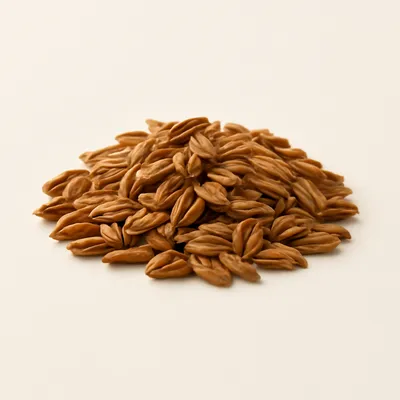
Add 500g long-grain rice (unrinsed). Stir 3 min until grains are coated. Add 400g cooked gandules (canned, drained) and 800ml chicken stock (or water + bouillon).
Watch outStir the raw rice for a couple of minutes until every grain is slick and glossy with the seasoned fat.
- 545 min
Bring to a vigorous boil, stir once, then immediately reduce to lowest heat. Cover with lid + a layer of foil for tight seal. Steam 25 min. Do not lift lid. Turn off heat; rest 10 min covered. Uncover, fluff with fork to reveal grain, and reach the pegao at the bottom — golden crispy crust to crack off.
Watch outWhen you finally uncover, fluff the top gently and listen for the crust cracking as you reach the bottom.
Archive tool suggestions — not reviewed
These legacy suggestions have not been evidence-reviewed and are not presented as required tools.



