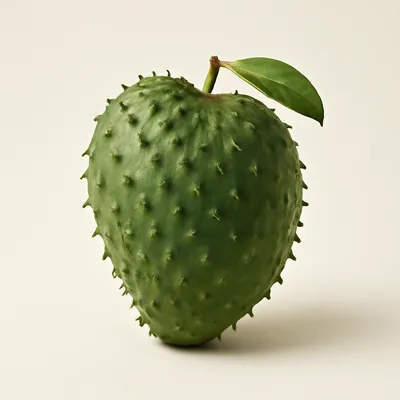

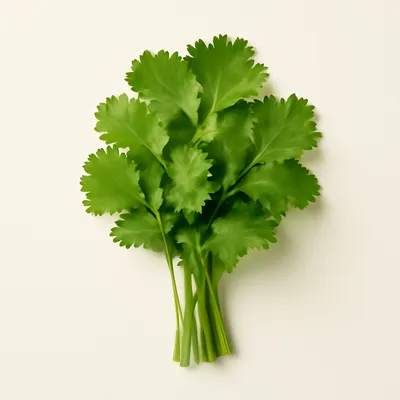

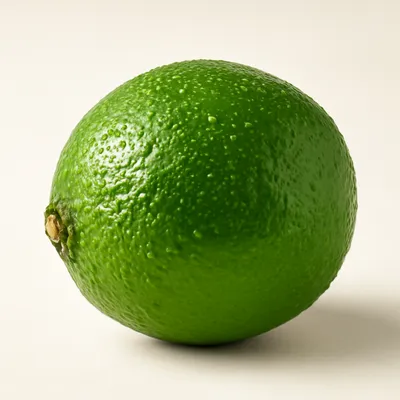
A 21st-century riff from Peru's nueva cocina movement, which began in the early 2000s with chefs like Gastón Acurio and Pedro Miguel Schiaffino reworking traditional dishes around Amazonian and exotic fruit. Soursop (guanábana) is native to the Peruvian Amazon; pomelo is an Asian import that took root on the coast. The combination dates to roughly the 2010s, no single inventor.
21st-century riff from Peru's nueva cocina — Gastón Acurio and Pedro Miguel Schiaffino reworking ceviche around Amazonian fruit in the 2000s. Soursop pulp carries papain-like enzymes that tighten the cure faster than lime alone — under two minutes or the fish over-cooks.
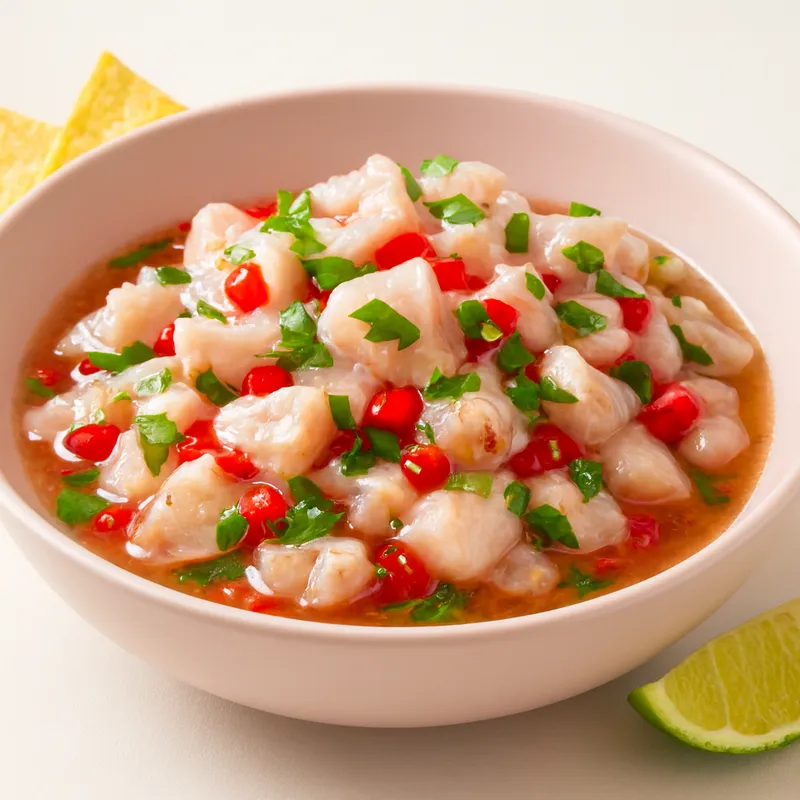
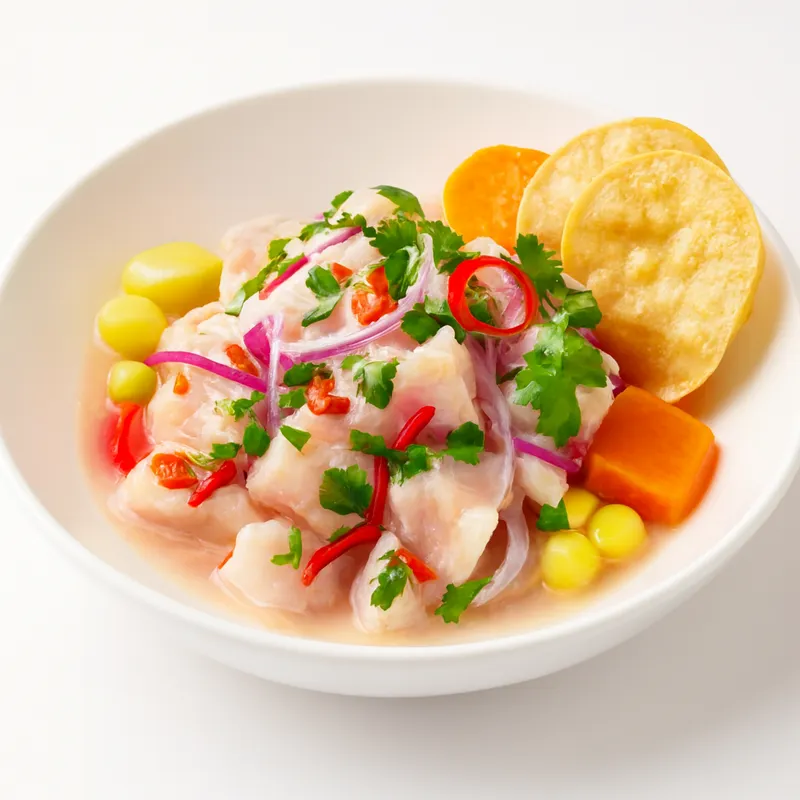
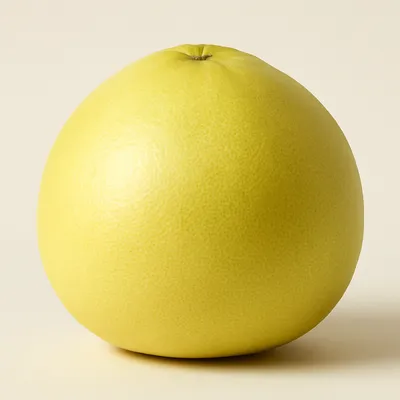
White fish cubes in lime juice with red onion, plus pink pomelo segments (juicy, faintly bitter) and white soursop (guanábana) pulp — fibrous and creamy, tropical-sour with mango/pineapple notes. The pomelo bursts in pop-rocks pockets between fish bites; the soursop blurs into the leche de tigre and softens the lime acid. A modern, plated-restaurant ceviche, not street food. The fish should still flex; the fruit should not have wilted.
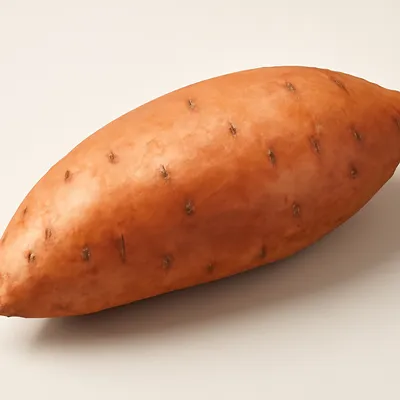
Soursop pulp is the sleeper here — its natural enzymes (similar to papain) gently break down fish proteins, so the cure tightens faster than with lime alone. This means even shorter mixing windows: under two minutes, or the fish over-cooks. Pomelo replaces sweet potato in the traditional balance, doing the same job (acid counterweight) without the starch. The dish must be assembled à la minute — fruit oxidizes within fifteen.
Variations
Acurio's Astrid y Gastón menu carried the Amazon-fruit version; Maido (Mitsuharu Tsumura) does a yuzu-passionfruit Nikkei riff; Schiaffino's Ámaz in Lima keeps it strictly Amazonian; home-cook versions often drop the soursop for mango.
On the Palate
Where Ceviche with Pomelo and Soursop sits in the Peruvian flavor cloud
Watch the clock — soursop's enzymes cure the fish far faster than lime alone, so pull it while the edges are opaque and the center still glassy, under a couple of minutes once the pulp goes in, or the fish turns rubbery.
Ingredients

How it's made
5 steps · 18 min active + 15 min waiting
- 15 min
Cut the fish into small, bite-sized pieces and place them in a shallow dish. Squeeze enough lime juice over the fish to cover it completely, ensuring each piece is submerged. Let it marinate in the refrigerator for 15-20 minutes until the fish turns opaque and firm.
Watch outPull the fish the instant it turns opaque and firm on the outside — this lime-only stage sets the base cure before the faster soursop goes in.
- 25 min
While the fish marinates, finely slice the red onion and chop the cilantro. Peel and segment the pomelo, removing the membrane from each segment for a tender bite.
- 35 min
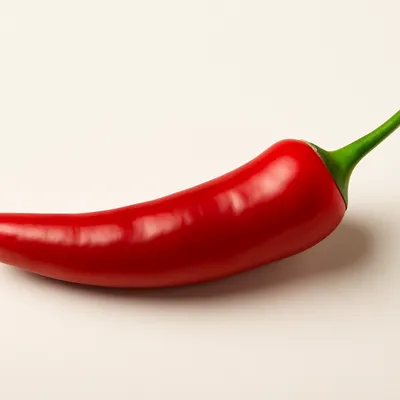
Once the fish is ready, drain any excess lime juice and combine it with the prepared onion, cilantro, pomelo segments, and soursop pulp. Season with finely chopped chili pepper to taste for a hint of heat.
Watch outFold the drained fish with the fruit and pulp, then taste at once — the soursop is already tightening the flesh, so seconds count here.
- 42 min
Gently toss the ceviche mixture to combine all the ingredients evenly, ensuring the flavors meld together. Adjust seasoning as needed with additional lime juice or salt.
Watch outToss gently just to combine — over-mixing bruises the fish and pomelo and pushes out watery juice that dilutes the flavor.
- 51 min
Serve the ceviche chilled, allowing the refreshing citrus and tropical fruit flavors to shine. Garnish with additional cilantro leaves if desired.
Archive tool suggestions — not reviewed
These legacy suggestions have not been evidence-reviewed and are not presented as required tools.