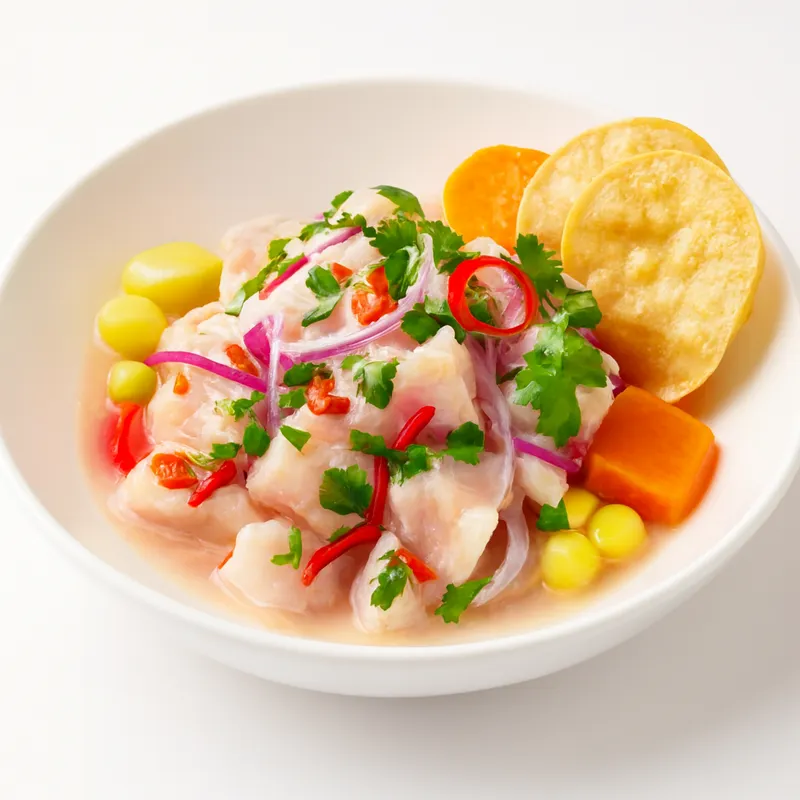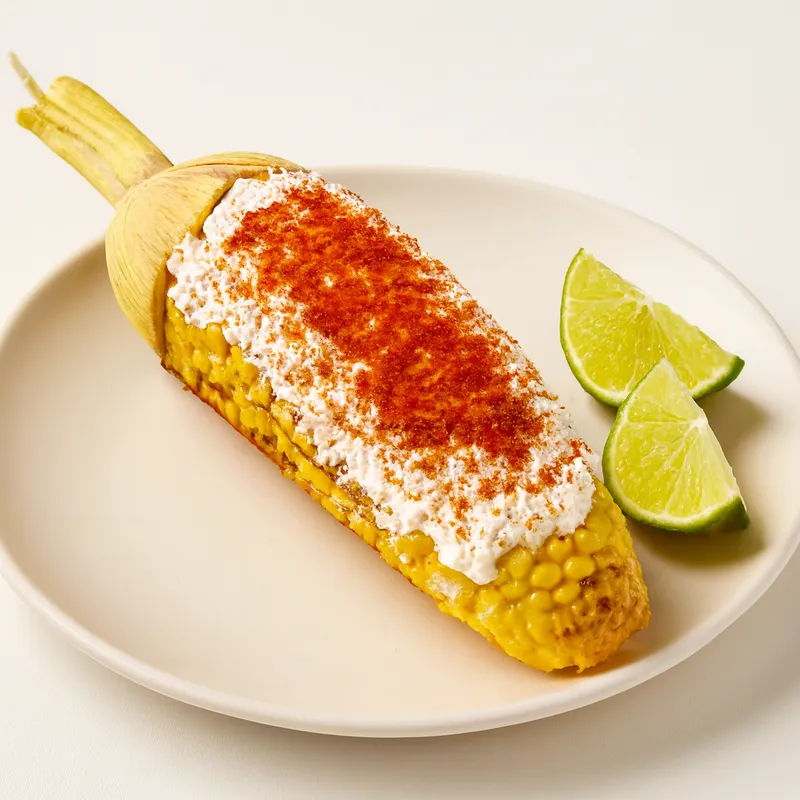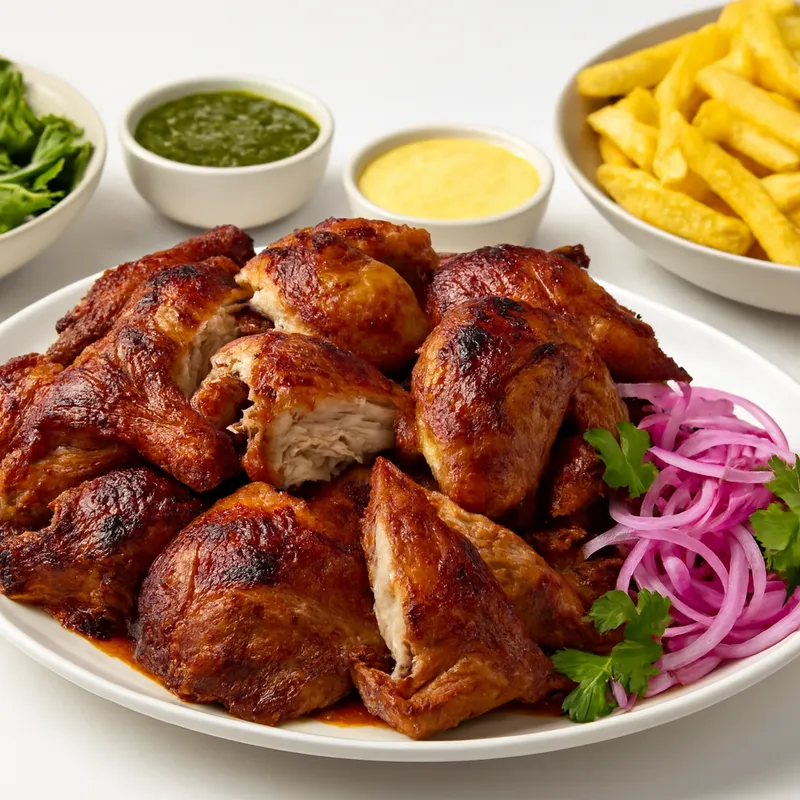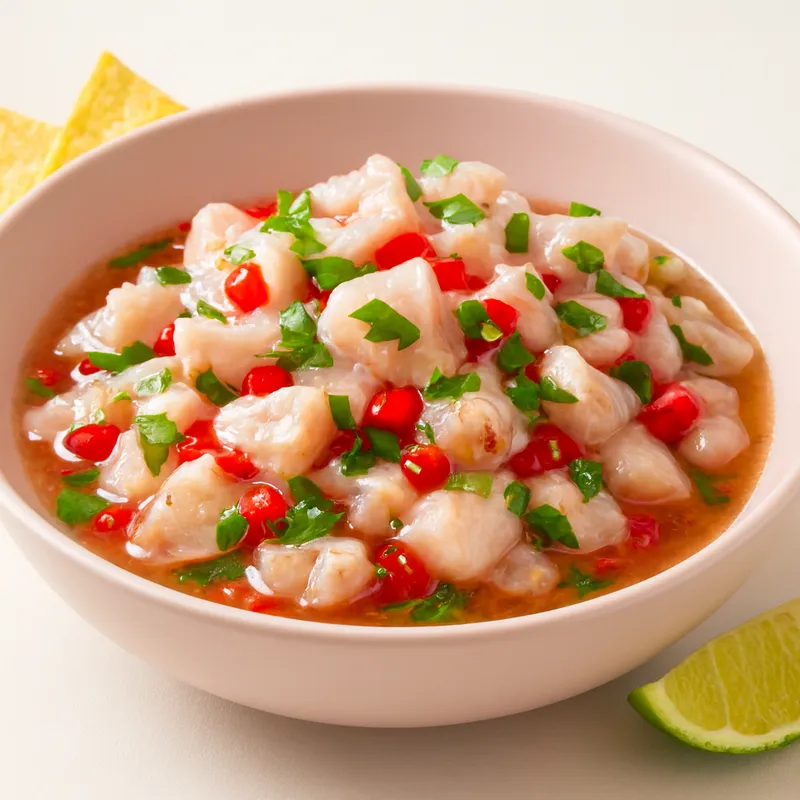
A refreshing ceviche made with fresh Pacific rockfish marinated in citrus juices and tossed with onions, cilantro, and chilies.
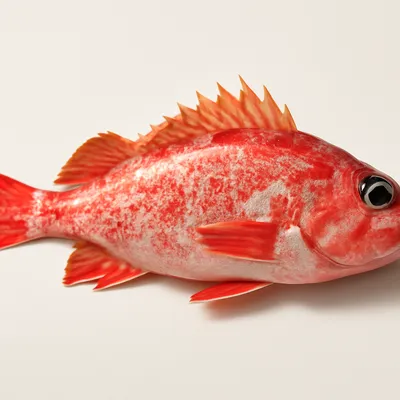


Pacific rockfish are reef-dwelling Sebastes and Paralabrax species fished off Peru's Humboldt Current coast — the same cold upwelling that makes Peruvian anchoveta the world's largest fishery. Coastal Peruvian fishermen have used rockfish for ceviche since pre-colonial times; modern restaurants began naming the species in the 2000s as part of a sustainable-sourcing trend driven by chef Pedro Miguel Schiaffino and the Mater Iniciativa research project.
Cabrilla and chita pulled off the Humboldt Current — the same cold upwelling that makes Peruvian anchoveta the world's largest fishery. Schiaffino's Mater Iniciativa pushed species-naming into Lima menus from the 2000s. Rockfish cures slow: three to five minutes for half-inch cubes, not two.
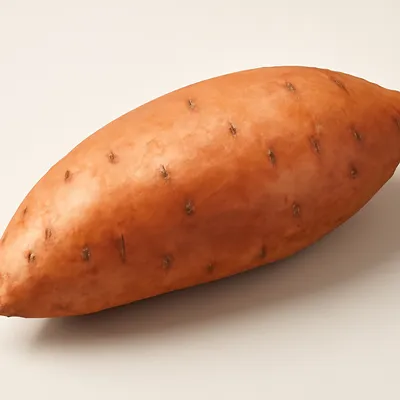
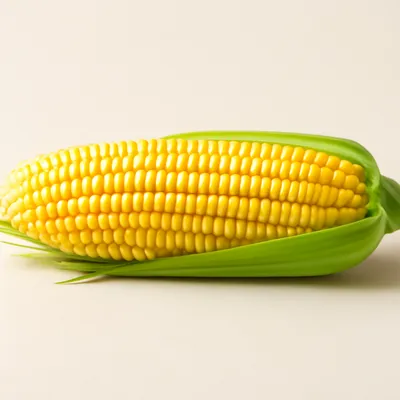
Cubes of Pacific rockfish (cabrilla or chita, depending on the boat) in lime juice with red onion, rocoto chili, and cilantro. Rockfish is firmer and more mineral-tasting than tilapia or sole — it holds its shape in the cure and tastes cleanly of cold water rather than mud. Served with choclo and sweet potato. The fish should still bounce against the tooth, not flake apart.
Rockfish flesh is dense and low-fat with collagen-rich connective tissue, so it cures slower than soft white fish — three to five minutes for half-inch cubes, versus two for sole. The reward is a firmer bite that doesn't disintegrate in the bowl. Cabrilla in particular has a clean, faintly sweet flavor that doesn't need heavy aji; over-marinating ruins the texture before the flavor arrives.
Variations
Cabrilla (firmer, sweeter) vs chita (oilier); ceviche mixto adds octopus and shrimp; tiradito slices the same fish thin and sashimi-style; Maido's Nikkei version finishes with leche de tigre and ponzu; northern Trujillo style adds black clams.
On the Palate
Where Ceviche with Pacific Rockfish sits in the Peruvian flavor cloud
Nail the cure time — pull the fish the moment the edges turn opaque and the center still looks glassy, because rockfish firms up fast and a minute too long turns it chalky.
Ingredients



How it's made
5 steps · 16 min active + 15 min waiting
- 15 min
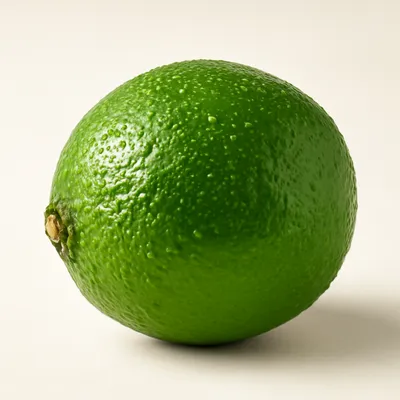
Slice the Pacific rockfish into small, even cubes and place them in a shallow bowl. Cover the fish completely with freshly squeezed lime juice. Allow it to marinate in the refrigerator for 15-20 minutes, until the fish becomes opaque and slightly firm to the touch.
Watch outWatch the cubes go from glossy-raw to opaque at the edges — that whitening is your timer, pull at 3-5 minutes.
- 25 min
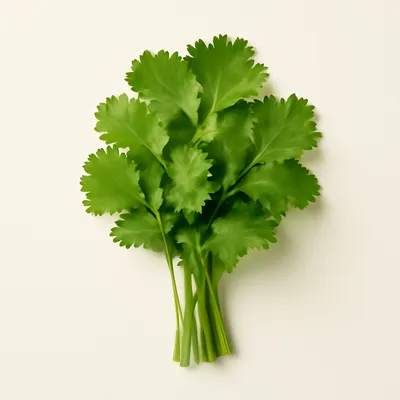
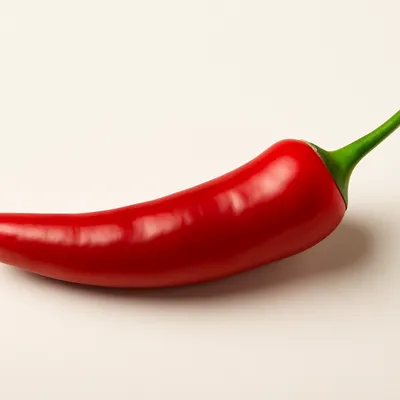
While the fish marinates, thinly slice the red onion and chop the cilantro leaves. Also, finely dice the chili pepper for an added kick.
- 33 min
Once the fish is marinated, drain the excess lime juice and mix the fish with the sliced onion, chopped cilantro, and diced chili pepper. Stir gently to combine the ingredients evenly.
Watch outDrain the spent lime pool before mixing, or the leche keeps cooking the fish on the plate.
- 42 min
Taste the ceviche and adjust the seasoning with more lime juice or salt if necessary. The flavors should be bright and balanced, with a hint of heat from the chili.
Watch outTaste for the bright-salt-heat balance; it should ring sharp and clean, not muddy.
- 51 min
Serve the ceviche immediately, chilled, and garnish with extra cilantro if you like. It pairs well with crispy tortilla chips or as a refreshing appetizer on its own.
Archive tool suggestions — not reviewed
These legacy suggestions have not been evidence-reviewed and are not presented as required tools.