
Pre-Columbian coastal Peru cured raw fish in fermented chicha and tumbo juice — Moche pottery (200–700 CE) shows the practice. Spanish colonists brought limes (originally Persian, via the Moors) in the 16th century, and the dish reset around citrus. Peru recognizes ceviche as a national cultural heritage dish and celebrates a national Ceviche Day every June 28; in December 2023 UNESCO inscribed the practices and meanings around ceviche on its Representative List of the Intangible Cultural Heritage of Humanity. Authentic ceviche calls for native chili and limón sutil rather than Persian limes.
Acid cookery at its purest. The leche de tigre left in the bowl is the best part.
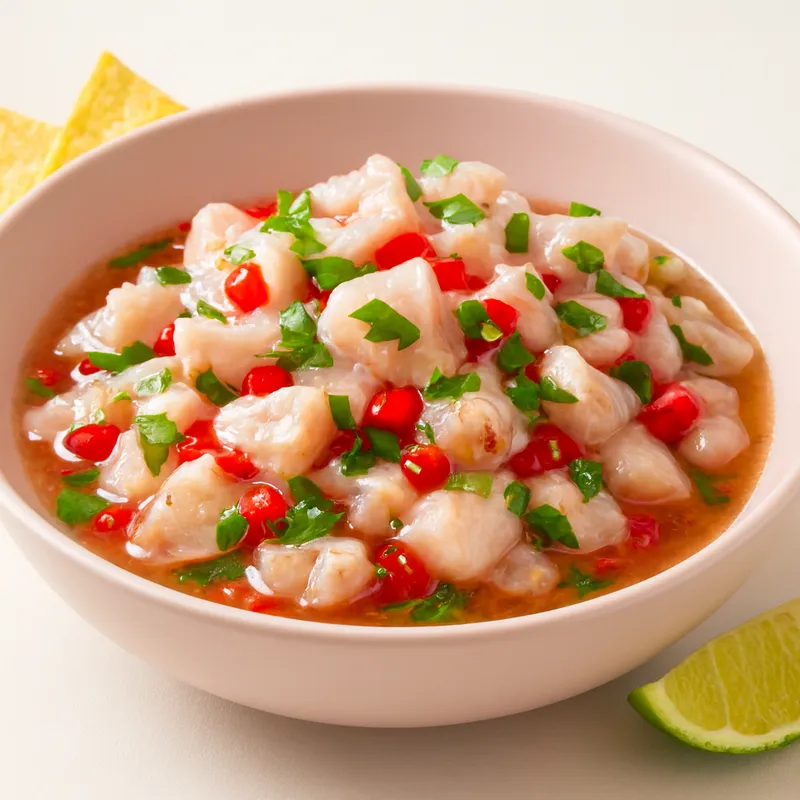
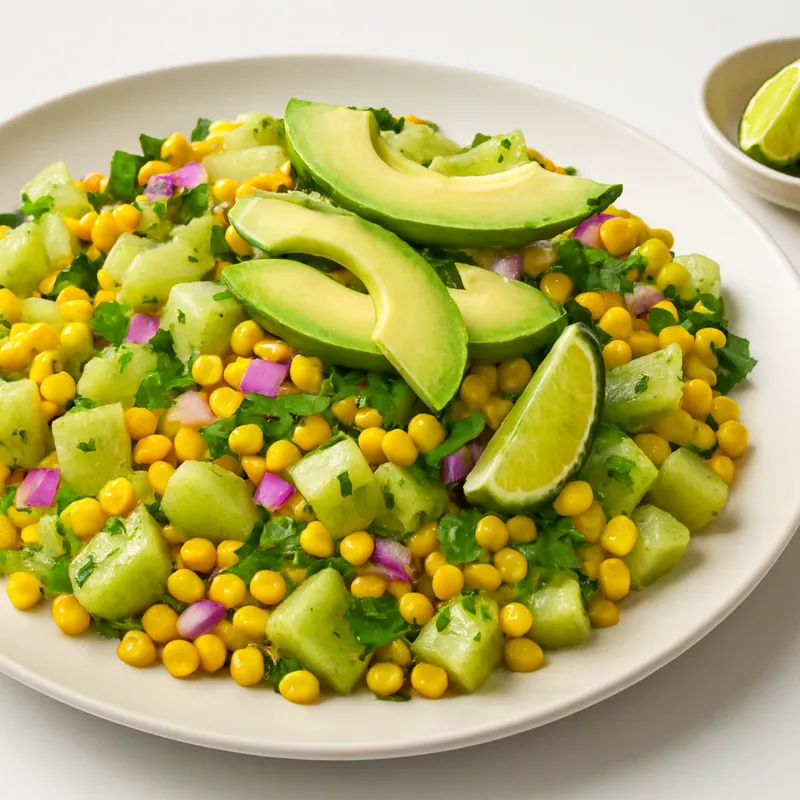
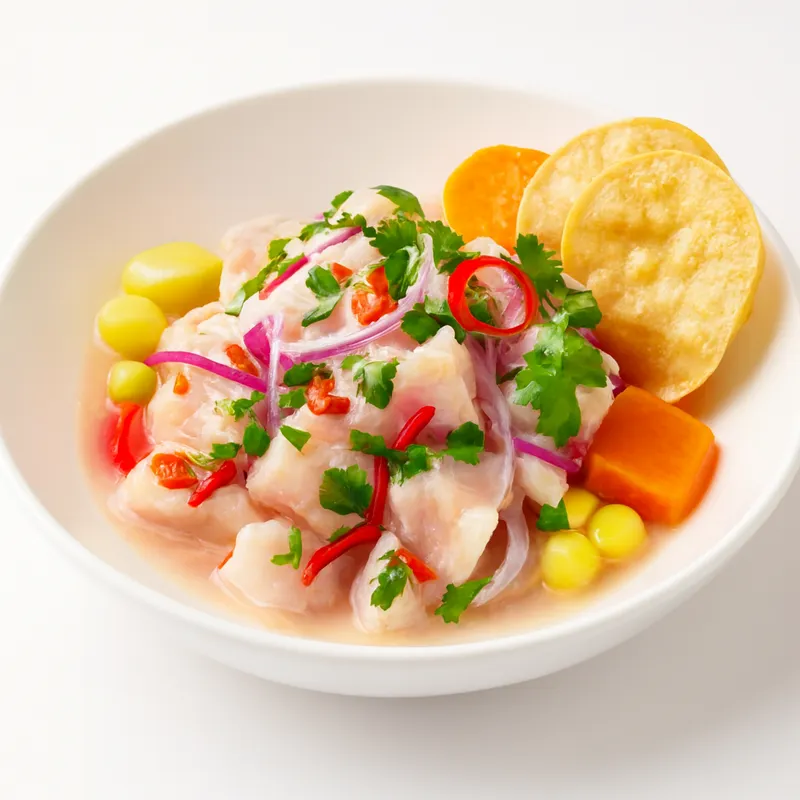
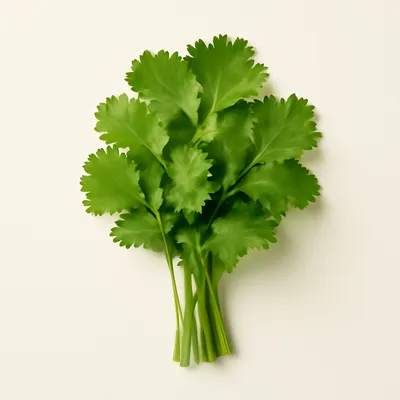
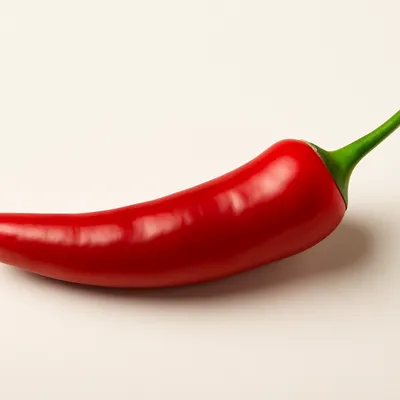
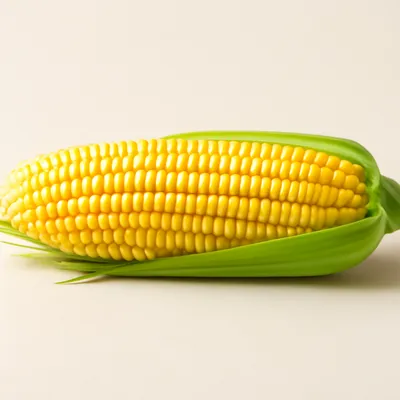
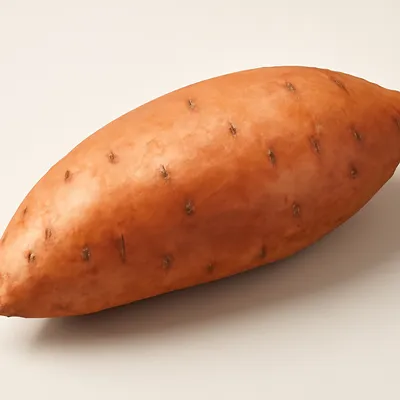
White-fleshed fish cut into half-inch cubes, sitting in cloudy lime juice (leche de tigre) with red onion slivers, rocoto or limo chili, and cilantro. Eaten cold, within minutes of mixing — the fish should still have bounce, not the chalky texture of overcured. Served with boiled choclo (Andean corn) and a wedge of sweet potato to cut the acid.
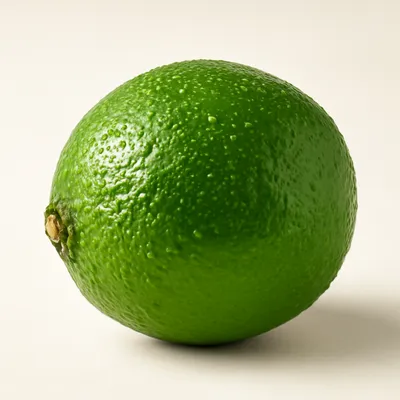
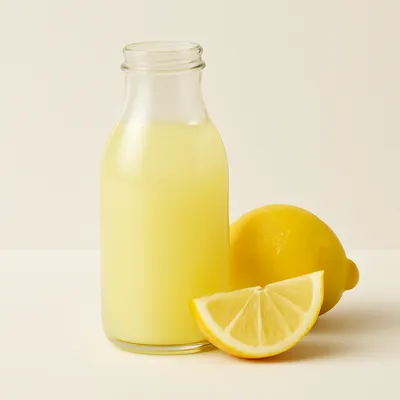
The acid denatures the proteins on the fish surface — it's not cooking, it's chemical firming. Two minutes is plenty for sashimi-grade cubes; ten minutes turns them rubbery and white through. The leche de tigre (literally tiger's milk) is the leftover marinade, sometimes drunk straight as a hangover cure. Quality ceviche needs limón sutil — the small, hard, intensely sour Peruvian lime; supermarket Persian limes give a flat, sweet result.
Variations
Peruvian Lima original uses lime juice and aji limo; Ecuadorian version adds tomato sauce; modern Nikkei (Japanese-Peruvian) version uses soy and ginger — three ceviche traditions.
On the Palate
Where Ceviche sits in the Peruvian flavor cloud
Cure raw fish in citrus acid just long enough to firm the surface and turn the edges opaque, stopping before the acid 'cooks' it chalky and rubbery all the way through.
Ingredients





How it's made
4 steps · 25 min
- 110 min
Slice the fish into thin, bite-sized pieces and place them in a shallow dish. Squeeze fresh lime and lemon juice over the fish until just covered. Allow the fish to marinate in the citrus juices for about 10 minutes, until the edges turn opaque and the flesh is slightly firm.
Watch outWatch the edges of the cubes turn opaque and firm while the centers stay glassy — that's your cue to drain, not a minute later.
- 25 min
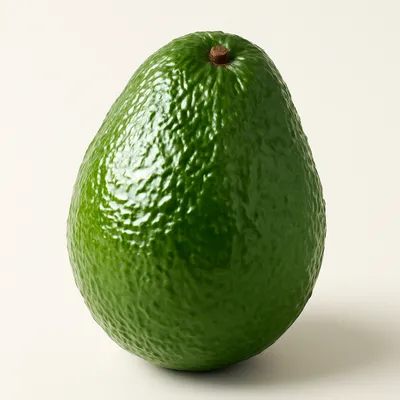
Meanwhile, finely chop the onion, cilantro, and chili pepper. Dice the tomato and avocado into small cubes. The onion should be crisp and the chili pepper should be finely minced to distribute heat evenly.
Watch outMince the chili fine and even so the heat spreads through every bite, and keep the onion slivers crisp and cold rather than limp.
- 35 min
Once the fish is cured, drain off excess citrus juice, leaving just enough to keep the fish moist. Add the chopped onion, cilantro, chili pepper, tomato, and avocado to the fish. Gently toss to combine, ensuring the ingredients are evenly distributed.
Watch outDrain off the excess juice but leave the fish glossy and moist, then fold gently so the avocado stays in cubes and doesn't smear.
- 45 min
Taste the ceviche and adjust seasoning with salt if necessary. Serve immediately, garnished with fresh corn kernels and thinly sliced sweet potato for a traditional touch.
Watch outTaste and correct with salt only — the acid is already set; serve the instant it's balanced, with corn and sweet potato to cut the sourness.
Archive tool suggestions — not reviewed
These legacy suggestions have not been evidence-reviewed and are not presented as required tools.