

Invented in 1950 in Santa Clara, district of Ate, outside Lima, by two Swiss immigrants: Roger Schuler, a chicken farmer who conceived roasting his birds whole over charcoal, and his friend Franz Ulrich, a mechanical engineer who built the rotating spit oven (the rotombo); his restaurant La Granja Azul fixed the formula. The third Sunday of July is now National Pollo a la Brasa Day in Peru, set by government decree in 2010.
1950 invention by Swiss immigrant Roger Schuler at La Granja Azul in Chaclacayo — he built a rotating spit oven and fixed the formula. Peru's third Sunday of July is National Pollo a la Brasa Day, decreed in 2010. Algarrobo wood is the smoke; soy sauce in the brine is the chifa fingerprint.
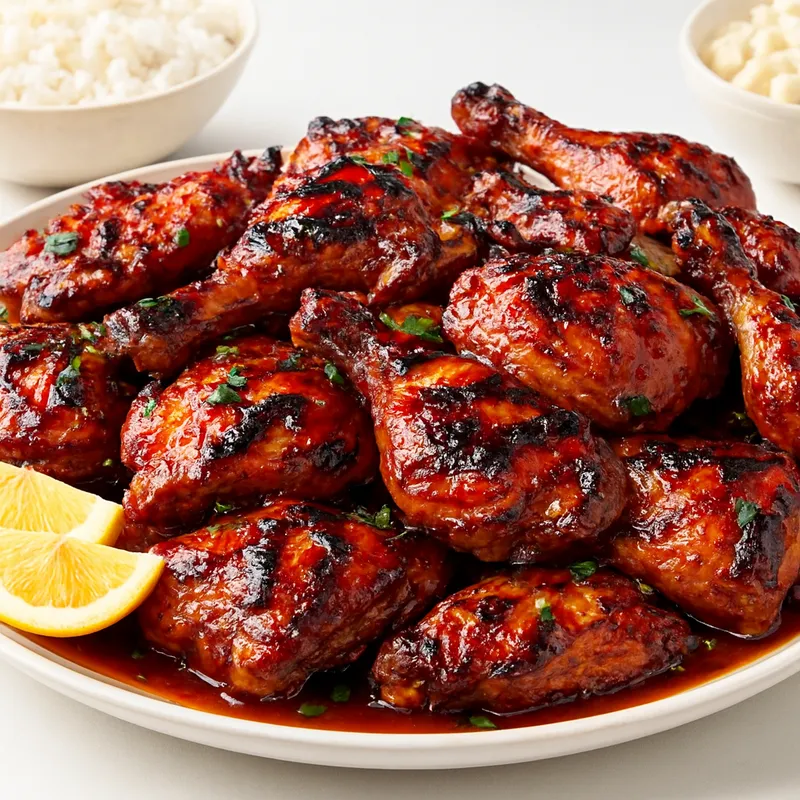
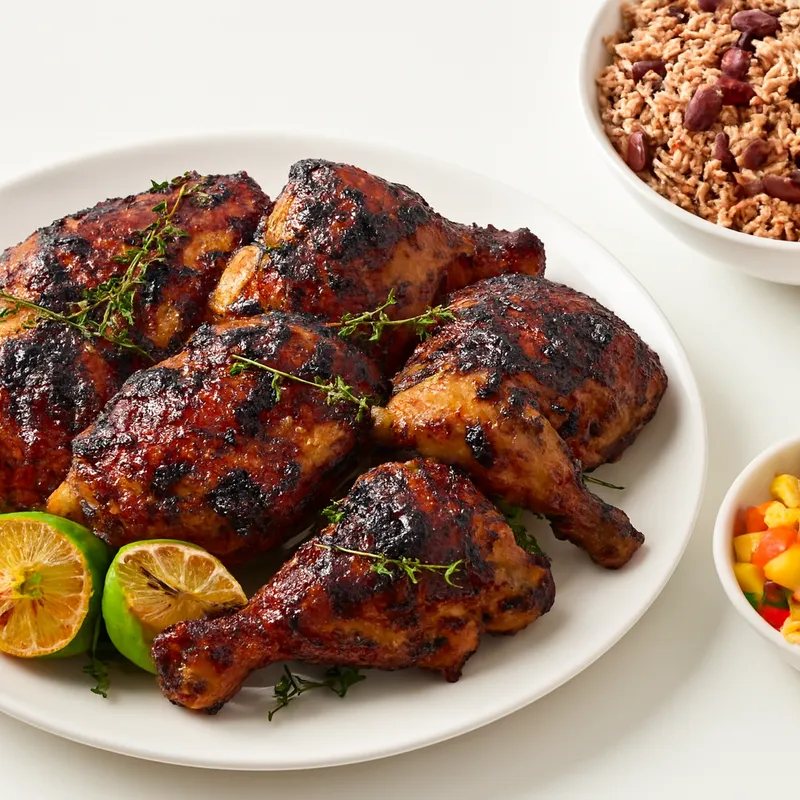
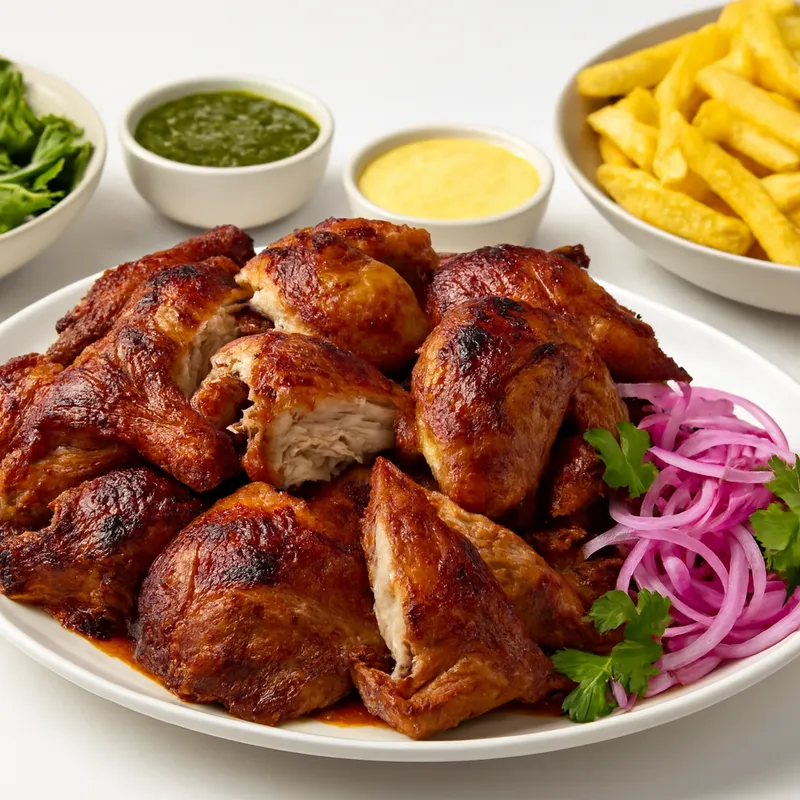
Whole chicken spit-roasted over hardwood charcoal until the skin is mahogany and lacquer-crisp, the breast still juicy from a 12-hour soy-cumin-garlic-paprika brine. Served quartered with a pile of salty fries, lettuce, and three sauces — yellow aji, green huacatay, and ketchup-mayo. Eat with hands. The skin should crackle; if it's flabby, the brasa wasn't hot enough.
The brine — heavy on soy sauce — is the chifa fingerprint, salt that penetrates deep and cures the meat to keep moisture in during the long roast. The wood is the other half: algarrobo (Peruvian carob wood) gives a sweet smoke; gas-fired versions taste flat by comparison. Spit speed and distance from the coals matter — too close and the skin burns before the bird cooks, too far and the skin never crackles.
Variations
La Granja Azul (the original); Pardos Chicken (the modern Lima chain); Norky's (mid-market); Pollo a la Brasa de Chacarero in California's Peruvian-American diaspora; provincial versions skip the soy and lean on cumin alone.
On the Palate
Where Pollo a la Brasa sits in the Peruvian flavor cloud
Give the chicken a long, salty, soy-forward brine — that cure is what drives moisture and flavor deep into the meat so it stays juicy through the hour over hot charcoal.
Ingredients



How it's made
5 steps · 1 hour 25 min active + 2 hours waiting
- 110 min
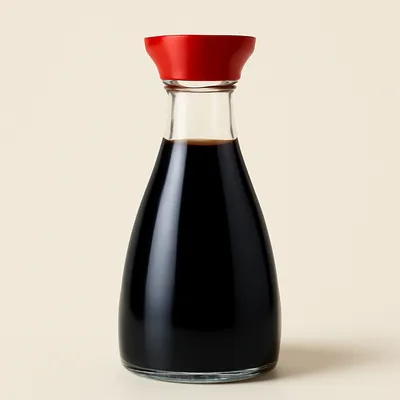
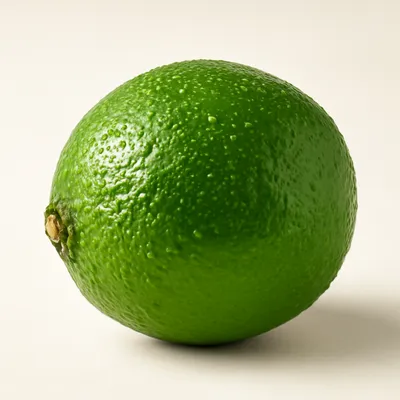
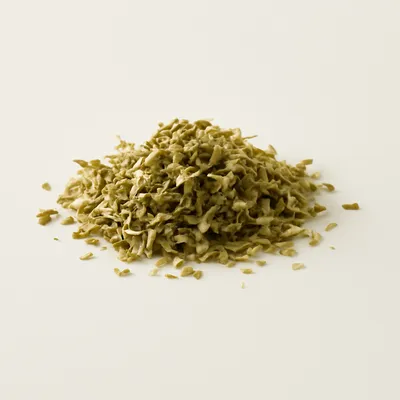
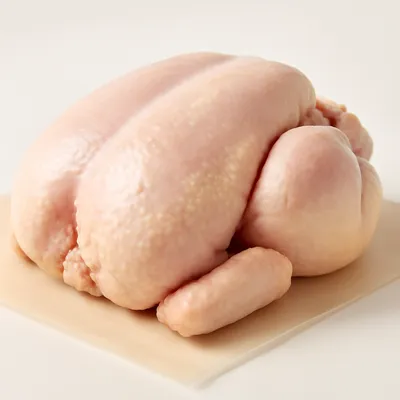
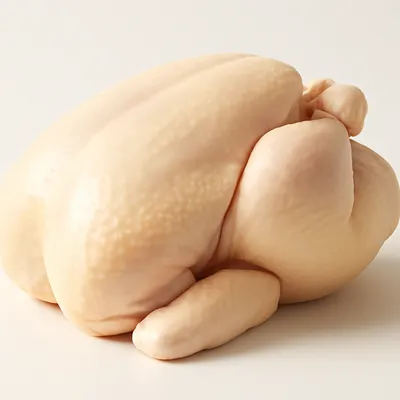
Mix garlic, cumin, soy sauce, lime juice, oregano, and black pepper to create a marinade. Rub this mixture thoroughly over the chicken, ensuring even coverage.
Watch outWork the paste in until the whole surface is evenly coated and slick, getting it under the skin where you can.
- 20 min
Allow the chicken to marinate for at least 2 hours in the refrigerator, letting the flavors deeply penetrate the meat.
- 310 min
Preheat your charcoal grill to a medium-high heat. Place the marinated chicken on the rotisserie spit, securing it tightly.
Watch outCoals should be medium-hot with grey ash, not flaming; open flame licking the skin will scorch it before the meat cooks.
- 460 min
Cook the chicken over the charcoal, allowing it to rotate evenly until the skin is crispy and the meat is cooked through, about 1 hour.
Watch outDone when the skin is deep-golden and crackling and the juices at the thigh run clear, roughly an hour.
- 55 min
Once cooked, remove the chicken from the grill. Serve with mayonnaise-based sauces or ají for dipping.
Archive tool suggestions — not reviewed
These legacy suggestions have not been evidence-reviewed and are not presented as required tools.
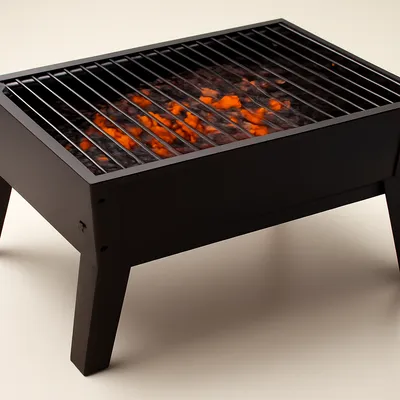
An open or hooded metal frame holding a bed of glowing charcoal embers, with a grate above. Charcoal burns at 700°C+ on the surface and emits short-wave infrared, which cooks proteins faster and with deeper Maillard browning than gas. Hardwood lump charcoal (oak, mesquite, fruitwood) lends its own smoke; cheap briquettes do not. Mastery is mostly heat zoning — direct over coals for searing, indirect off-coals for slow-roasting.

A pit oven dug into the ground, lined with porous lava rock, in which a wood fire is built and burned down to embers. Banana stalks and ti leaves are layered on top of the hot rocks, then a whole kalua pig (or other large protein) is wrapped in more leaves and lowered in; the whole pit is covered with wet burlap and earth and steams for 6-12 hours. The result has a smoky-sweet flavor no above-ground oven can replicate.