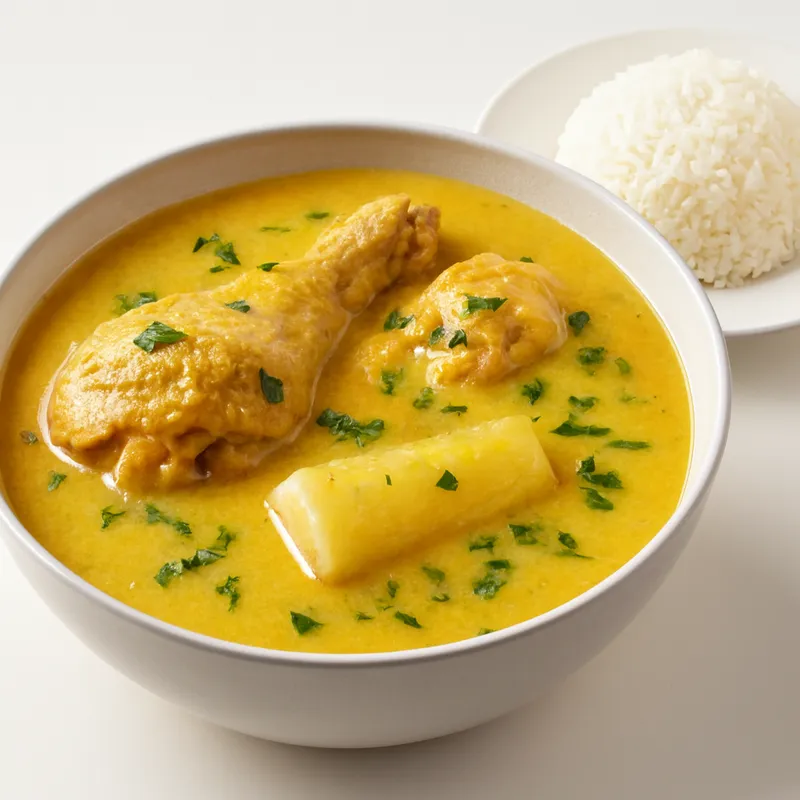
Seco de pollo is the poultry version of Peru's criollo cilantro stew and the most everyday of the secos: bone-in chicken pieces braised in the same green sauce of blended cilantro and ají amarillo, lightened with beer or chicha de jora, until the meat is tender and the sauce reduces concentrated. Quicker and cheaper than the beef or lamb versions, it is the workhorse of the menú-de-casa lunch counter. It comes plated the usual criollo way — canary beans, white rice and salsa criolla — the green sauce pooling around the chicken.
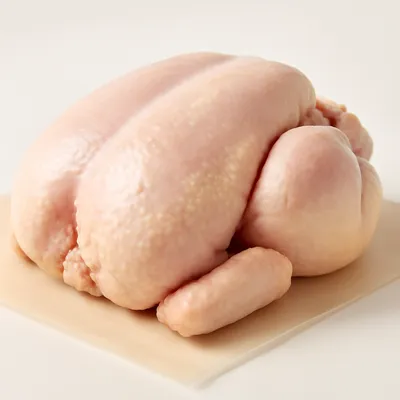




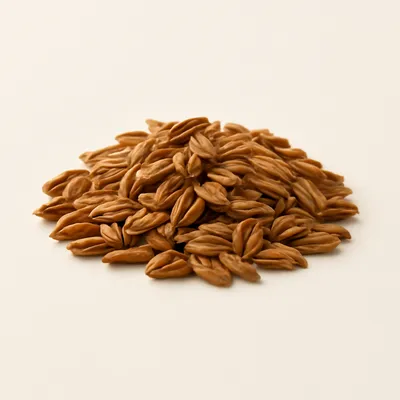
Seco de pollo belongs to the same colonial-criollo lineage as the rest of the seco family, which traces to the Spanish slow-braise-with-cilantro brought to Peru in the 16th century, itself descended from Moorish Spain's 'carnero verde' and the Arab 'seco' style of reducing a braise. Chicken, cilantro, onion, garlic and cumin were all post-contact introductions; grafted onto native ajíes and pre-Hispanic chicha de jora the method became a national family of secos. The chicken version is the everyday, economical member rather than a regional signature — there is no dated origin, only a documented criollo staple. The original north-coast secos used goat and lamb; poultry and beef became the versions cooked daily in home and market kitchens.
Chicken pieces, tender and just shy of falling off the bone, blanketed in a bright herbal green sauce that tastes of cilantro and the warm fruit of ají amarillo, with beer or chicha lending a faint malty-sour lift. Lighter on the palate than the beef seco — chicken keeps it clean and quick rather than deep and gelatinous. The beans soak up the sauce, the rice carries it, and the raw onion of salsa criolla cuts through with a sharp, bright bite.
As with every seco, the green color depends on adding the raw-blended cilantro only after the chicken is browned and then keeping the simmer short, before the chlorophyll turns brown. Chicken needs far less time than red meat — 30 to 40 minutes is enough to cook it through and reduce the sauce — which is exactly why this is the fast, everyday seco. Browning the bone-in pieces first builds fond and renders a little fat that enriches the base; the ají amarillo paste colors the sauce and carries fruity heat, while the beer or chicha adds acidity that keeps the green tasting fresh rather than heavy.
Variations
The same green braise spans seco de res, de cordero, de cabrito and de pato; chicken is simply the quickest member. Most cooks use beer in place of the traditional chicha de jora, and some blend a little spinach into the cilantro for a deeper green. A few add yellow potato to the pot or use a whole jointed bird; the side of canary beans, rice and salsa criolla stays constant. Restaurants sometimes serve it with a heavier hand of ají amarillo for more heat.
On the Palate
Where Seco de Pollo sits in the Peruvian flavor cloud
Ingredients
Serves 4
How it's made
8 steps · 30 min active + 40 min waiting
- 15 min
Season bone-in chicken pieces with salt, pepper and cumin.
- 28 min
Brown the chicken in hot oil on all sides, then set aside.
- 36 min
In the same pot, fry red onion, garlic and ají amarillo paste until fragrant.
- 45 min
Blend cilantro (and a little spinach if using) with water into a smooth green purée.
Watch outBlend the cilantro raw and add it only after browning — keeping the simmer short after is what stops the chlorophyll turning brown.
- 53 min
Return the chicken, pour in the beer or chicha de jora and the green purée.
- 635 min
Cover and simmer gently until the chicken is tender, about 30-40 minutes.
Watch outSimmer just 30–40 minutes until the chicken is tender — chicken needs far less time than red meat, which is why the green stays fresh and bright.
- 78 min
Uncover briefly and reduce the sauce until concentrated; adjust salt.
- 84 min
Serve with canary beans, white rice and fresh salsa criolla.
Archive tool suggestions — not reviewed
These legacy suggestions have not been evidence-reviewed and are not presented as required tools.