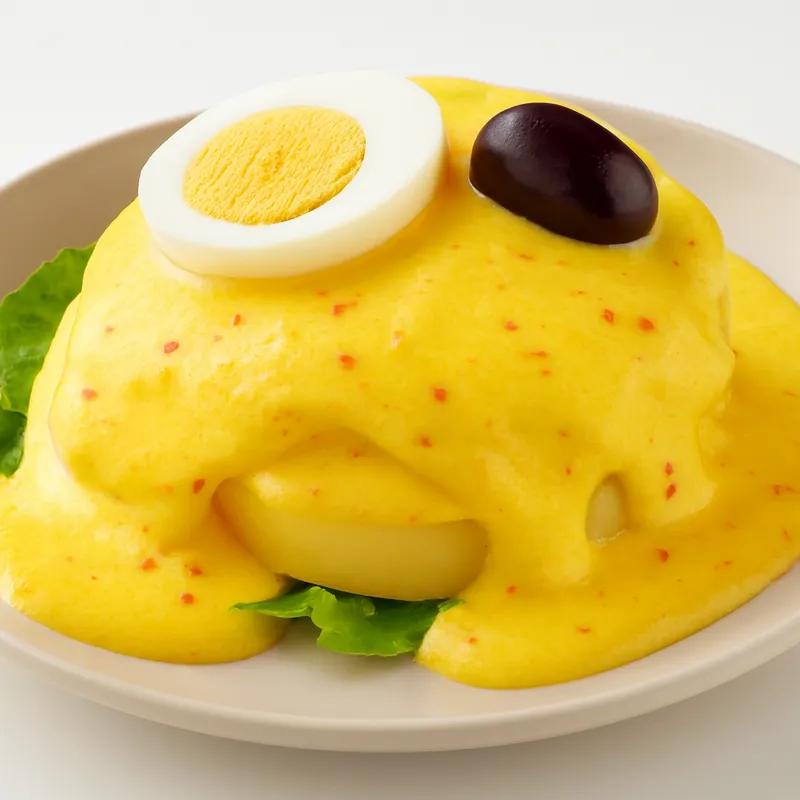
Peruvian sweet-potato-and-pumpkin yeast doughnuts — squash purée mixed with yeasted dough, hand-shaped into rings, deep-fried golden and drizzled with chancaca syrup (raw cane sugar + orange + fig + clove + cinnamon) — Afro-Peruvian street dessert dating to colonial Lima.

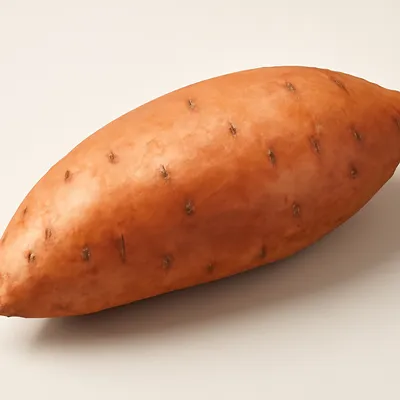


Picarones (also called picarón in singular) are the iconic Afro-Peruvian street dessert, dating to colonial Lima when African slaves combined squash (Andean staple) + wheat flour (Spanish) + yeast (Spanish baking tradition) + chancaca syrup (sweetener from raw sugar cane, originally introduced from Southeast Asia by Portuguese colonizers). The dish was originally a substitute for Spanish 'buñuelos' (fritters) but became its own beloved tradition. Made by mixing pumpkin and sweet potato purée into a yeast dough, fermenting, hand-shaping into rings (made by squeezing dough through wet hands), deep-frying, and drizzling with chancaca-and-spice syrup. Lima street vendors (picaroneras) hand-shape and fry picarones in cast-iron pots on the sidewalks of Surquillo, Barranco, and the Plaza San Martín — the most popular Peruvian street dessert after churros.
A warm picarón drizzled with dark chancaca syrup is an Afro-Peruvian Sunday afternoon: golden-brown crispy exterior, soft squash-and-yeast interior with visible orange specks, dark sticky syrup pooling around. The first bite: outer crispness gives way to fluffy-tender squash dough; chancaca syrup floods the mouth with deep molasses-orange-clove-cinnamon flavor. The squash provides a pumpkin-and-sweet-potato sweetness that's earthy and gentle. Eat 2-3 picarones with hot coffee on a cool Lima evening; the dish is an essential Peruvian experience. The picaroneras at Lima's Surquillo Plaza serve the world's best at 5pm on weekends.
Picarones rise dramatically because of two leavening reactions: yeast fermentation (CO₂ over 90-120 min) + thermal expansion during high-heat frying. The squash purée's natural sugars caramelize on the surface during frying, contributing to the golden color. The hand-shaping technique through wet hands prevents sticking and creates an irregular natural ring shape — perfectly round picarones are usually machine-made and lack the artisanal character. Chancaca is essentially unrefined sugar (high-molasses content) — different from refined sugar, providing the dish's distinctive deep flavor. Dried figs simmered in the syrup are the standard aromatic, giving it a deep fig sweetness; a fig leaf is an optional regional touch.
Variations
Lima canonical with squash + sweet potato + anise + chancaca; Trujillo north-coast variant uses only squash (no sweet potato); modern Lima fine-dining serves 'Picarones Royal' with vanilla ice cream + extra syrup (a heated debate); commercial frozen picarones exist but the texture suffers (best fresh-fried); the dish is impossible to reheat properly — make small batches and eat hot; vegan version uses plant-based milk and is naturally egg-free; the picaronera street vendors are a Lima cultural icon.
On the Palate
Where Picarones sits in the Peruvian flavor cloud
Ingredients
Serves 6


How it's made
9 steps · 1 hour 30 min active + 2 hours 30 min waiting
- 122 min
Prep the squash: peel and cube 500g pumpkin (calabaza or butternut squash) + 200g orange sweet potato. Steam or boil in unsalted water 20 min until very tender. Drain very well; mash through a ricer or with a potato masher into a smooth puree. Cool to room temperature. (Drain liquid is critical — too wet a puree gives heavy picarones.)
Watch outDrain and press the squash purée until it stops weeping — any leftover water drags the batter down and the picarones come out dense instead of airy.
- 29 min
Activate yeast: in a small bowl, dissolve 7g active dry yeast in 100ml warm (38°C) water + 1 tsp sugar. Wait 8 min until foamy.
- 39 min
Make the picarones dough: in a large bowl, combine the squash puree + the yeast mixture + 250g all-purpose flour + 1 tsp salt + 1 tsp anise seeds (lightly crushed) + 1/4 tsp ground cinnamon + 1/4 tsp ground nutmeg. Mix into a soft, slightly sticky dough. The texture should be slightly thicker than pancake batter — should drop from a spoon in clumps, not pour.
- 4110 min
Cover with a clean towel; let rise in a warm spot 90-120 min until doubled in size and bubbly. The dough should be visibly puffy and slightly fragrant.
Watch outThe dough is ready when it has doubled and the surface is domed and pocked with bubbles — a faint yeasty-sweet smell means the ferment is alive.
- 527 min
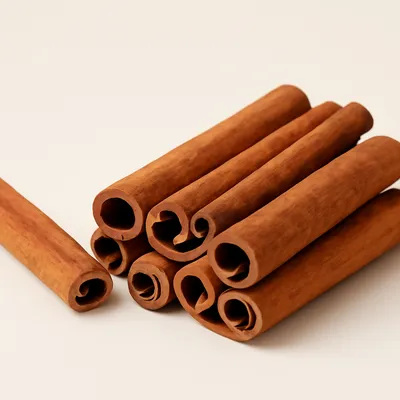
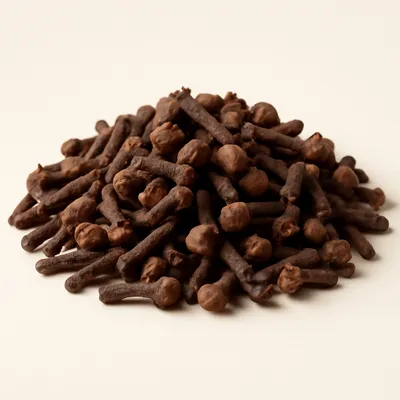
Make the chancaca syrup: in a heavy saucepan, combine 250g chancaca (or substitute with brown sugar/piloncillo) + 250ml water + 2 cinnamon sticks + 4 whole cloves + zest of 1 orange + 1 fig leaf (optional but traditional). Simmer 25 min over low heat until the syrup is thick and dark mahogany-brown. Strain through a sieve; cool slightly (should be warm-pourable but not too thick).
Watch outSimmer the chancaca down until it coats the spoon and turns deep mahogany — too thin and it runs off the picarones, too thick and it sets to candy as it cools.
- 64 min
Heat 8cm vegetable oil to 170°C in a deep pot. Set up your picarón-shaping station: a bowl of cool water nearby + the risen dough.
- 718 min
Shape and fry: wet your hands in the cool water. Grab a small handful of dough (about 50g); cup it in your right palm; push your left thumb through the center of the dough to create a hole; gently stretch the hole open with your fingers; quickly drop the ring into the hot oil. (This takes practice — your first few may look like blobs; keep going.) Fry 1-2 picarones at a time, turning gently with a slotted spoon, 90 sec per side until deep golden-brown and puffed.
Watch outKeep your hands wet and drop the ring the instant you've poked the hole — fry at a steady 170°C until deep gold and puffed, turning once so both sides balloon evenly.
- 81 min
Lift out with a slotted spoon; drain on paper towels briefly.
- 95 min
Serve immediately, hot, 2-3 picarones per plate, drizzled GENEROUSLY with warm chancaca syrup. The hot syrup pools at the bottom of the plate; the warm picarones soak up the syrup gradually. Eat with a fork or directly with hands (street-style). Pair with strong coffee or chicha morada. The picarones must be eaten hot; reheating ruins the texture.
Archive tool suggestions — not reviewed
These legacy suggestions have not been evidence-reviewed and are not presented as required tools.