Chicharrón de chancho is Peruvian fried pork made by a two-stage method: chunks of pork — belly or country ribs — are first simmered in water with salt until the water boils away, then left to fry in their own rendered fat until the outside crisps. Unlike the pork rinds called chicharrón elsewhere in Latin America, this is a dish of meaty pieces, golden and crackling outside, tender within. It is served with mote, fried sweet potato or potato, and salsa criolla — a beloved highland weekend breakfast.



Pork is not native to the Americas; it was introduced by the Spanish in the sixteenth century, and the chicharrón concept traces to Andalusia before being adapted in the Andes. The name is tied to frying and rendering pork fat — the Spanish Real Academia defines chicharrón as the residue of pork fat after the lard is rendered, while another account links it to the sizzling sound of the frying. In the Peruvian highlands, around Cusco and Arequipa, chicharrón became a classic Sunday and market dish; the village of Saylla near Cusco is known as its capital.
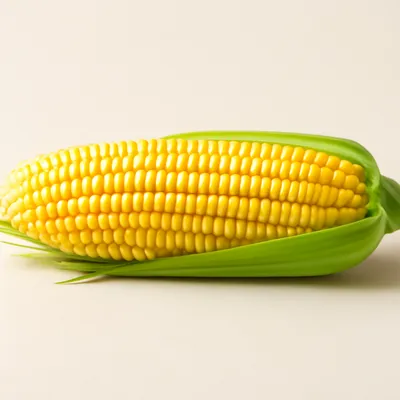
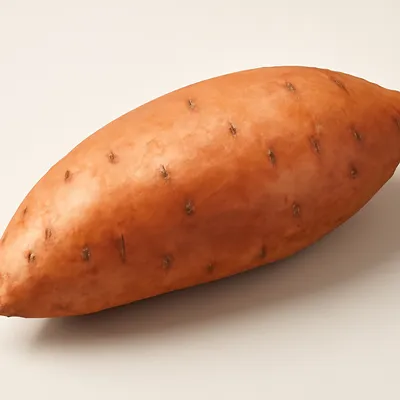
The pieces come out deep golden and crackling at the edges, the surface shattering crisp under the first bite to give way to meat that is soft and richly porky inside. There is no batter — the crust is the pork's own skin and surface, browned hard in its rendered fat. Eaten with chewy kernels of mote, a wedge of sweet fried camote, and a tangle of sharp lime-and-onion salsa criolla, it is rich, savory and bright all at once, a plate built for a slow weekend morning.
The two stages do two different jobs. In the wet phase, simmering in salted water until it evaporates renders the pork's fat into liquid lard and breaks down connective tissue — collagen converts to gelatin under moist heat, tenderizing the meat. Only once the water is gone can the surface climb past the boiling point into the Maillard range, which is why the water must boil off first: the meat then fries in its own fat, browning and crisping. The result is the signature contrast — a hard, crackling exterior over a tender, juicy interior, with no added oil needed.
Variations
Both pork belly and country ribs are authentic cuts. The accompaniments mark the region: mote, fried camote or potato, and salsa criolla are the canonical set, while an Andean mint-and-onion relish appears in the highlands and Arequipa tends to plate it more austerely. The same fried pork stuffed into a crusty roll with sweet potato and onion becomes pan con chicharrón, one of Peru's great sandwiches. Some modern Lima cooks finish the pieces in hot oil as a shortcut, though the traditional ideal is the pork's own rendered fat.
On the Palate
Where Chicharrón de Chancho sits in the Peruvian flavor cloud
Ingredients
Serves 4

How it's made
8 steps · 45 min active + 45 min waiting
- 18 min
Cut pork belly or country ribs into large chunks and season with salt.
- 25 min
Place the pork in a heavy pot, add water to nearly cover, and bring to a simmer.
- 330 min
Cook steadily, turning occasionally, until the water has evaporated and the released fat begins to sizzle.
Watch outCook until the water fully evaporates and the fat starts to sizzle — only once the water's gone can the surface climb into browning; don't rush past this.
- 415 min
Let the pork fry in its own rendered fat, turning, until deeply golden and crisp on all sides.
Watch outLet the pork fry in its own rendered fat until deeply golden and crisp all over — that's the hard crackling shell over a juicy inside, no added oil.
- 512 min
Lift out the pork and drain; meanwhile fry slices of sweet potato or potato in the same fat until tender.
- 65 min
Toss thinly sliced red onion with lime juice, salt and a little ají to make salsa criolla.
- 710 min
Boil or reheat mote until hot and tender.
- 85 min
Plate the chicharrón with mote, fried sweet potato, and a mound of salsa criolla.
Archive tool suggestions — not reviewed
These legacy suggestions have not been evidence-reviewed and are not presented as required tools.