






Berliner Pfannkuchen (called 'Berliner' in the north, west and southwest of Germany, but 'Pfannkuchen' in Berlin and eastern Germany — a famous regional naming dispute) was invented in 1756 by a Berlin baker who was supposedly drafted into Frederick the Great's army; rejected for poor health, he was assigned to bake for the troops, and being unable to access an oven on the march, he fried his dough in oil and shaped it like a cannonball — creating the first 'Berliner', which is why it is round and baseball-sized. The dish became Berlin's iconic baked good and spread across Germany. The dough is enriched (butter, eggs, milk, sugar) and yeasted, fried in hot oil to a puffy golden ball, then injected through a hole with sweet jam (plum 'Pflaumenmus' or raspberry 'Himbeermarmelade'), and finished with powdered sugar. Eating Berliner is a tradition on Sylvester (New Year's Eve) and Fastnacht (Carnival) — a single notorious tradition involves filling one Berliner with mustard instead of jam as a prank for unsuspecting friends.
Cut a Berliner Pfannkuchen in half: you reveal the architecture — a 3mm crispy-fried golden shell, a 1cm pillowy-yeasted bread layer, and a pool of dark-purple plum jam (or red raspberry) in the center. Take a bite: the powdered sugar dusts your lips; the bread is tender-fluffy; then the cool tart jam floods your tongue. The contrast of warm-soft-bread + cool-sweet-tart-jam is the heart of the dish. The 'Berliner ring' (the pale ring around the middle) is a sign of proper frying — without it, the doughnut was fried too long. Eat with coffee. On New Year's Eve in Berlin, every household has a tray of Berliner; one is filled with mustard as a prank — be wary.
The 'Berliner ring' (pale unfried band around the middle) is the diagnostic sign of proper frying — the dough sits in the oil, only contacting it on one face for ~90 sec at a time. The covered-pot trick during the first 90 sec is the Berlin baker's secret: trapping steam creates a moist micro-climate that helps the top of the dough puff before it crusts. The enriched dough (butter + eggs + milk) means the dough is structurally strong enough to hold puffed shape and the jam injection. Plum butter (Pflaumenmus) is the canonical Berlin filling — raspberry, apricot, and even chocolate are acceptable but Pflaumenmus is the authentic.
Variations
Berlin canonical with Pflaumenmus and powdered sugar; Bavarian Krapfen variant uses apricot jam and lemon icing instead of powdered sugar; modern Berlin bakeries offer dozens of fillings (chocolate, custard, eggnog, etc.); commercial pre-made Berliner are widely sold but never as good as fresh-fried; the mustard-filled prank is a real tradition — be vigilant on New Year's Eve in Germany; vegan Berliner exists using plant milk + flax egg (acceptable but the structure is slightly different); the dish has spread globally as 'Bismarck doughnut' or 'jelly doughnut' but the German original is significantly less sweet.
On the Palate
Where Berliner Pfannkuchen sits in the German flavor cloud
Get the covered-fry right: lower the ball top-side-down, lid the pot for the first 90 seconds so trapped steam puffs the top before the crust sets, and the pale 'Berliner ring' around the middle proves you did it.
Ingredients
Serves 12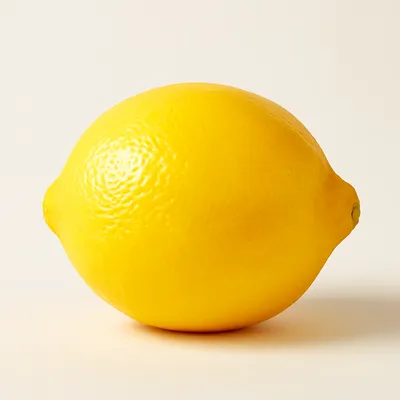
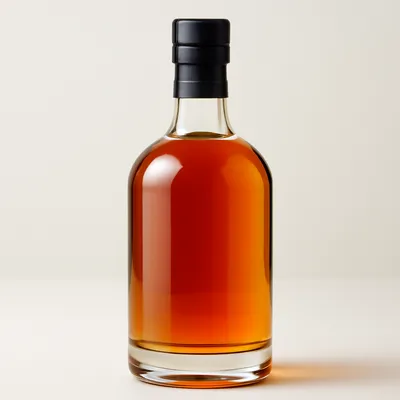


How it's made
9 steps · 1 hour 10 min active + 2 hours 50 min waiting
- 110 min
Make dough: in a small bowl, dissolve 15g fresh yeast (or 5g instant) in 100ml warm milk + 1 tsp sugar. Wait 8 min until foamy.
- 27 min
In a large bowl, combine 500g all-purpose flour + 60g sugar + 1 tsp salt + zest of 1/2 lemon + pinch nutmeg. Make a well; add yeast mixture + 2 eggs + 1 egg yolk + 60g softened butter + 100ml additional warm milk + 1 tbsp rum (traditional, optional).
- 370 min
Knead 10 min until smooth and elastic. Cover; rise in warm spot 60-75 min until doubled.
Watch outKnead until the dough turns smooth and springs back — it should feel elastic and slightly tacky, not sticky.
- 435 min
Punch down; divide into 12 equal portions (~75g each). Roll each into a smooth ball; flatten slightly to 4cm-thick disc. Place on a floured tray; cover; rise 30 min more.
- 58 min
Heat 8cm vegetable oil to 170°C / 340°F in a deep pot (the dough needs depth to float and puff).
- 627 min
Fry Berliner in batches of 3-4: gently lower in (top side down first); cover the pot for 90 sec (this is the Berlin trick — the steam helps the top puff); uncover; flip; fry 90 sec more uncovered. Total 3 min per side; the Berliner should have a pale ring around the middle (where the oil line was — the signature 'Berliner ring').
Watch outWatch for the pale unfried band circling the middle — that 'Berliner ring' means the ball floated and puffed instead of sinking.
- 712 min
Drain on paper towels. Cool to lukewarm (10-15 min).
- 830 min
Inject jam: with a small filling tip on a piping bag, insert from the side into each Berliner; squeeze 1.5-2 tbsp jam into the center. Use Pflaumenmus (plum butter) or Himbeermarmelade (raspberry jam) for authenticity. You should feel resistance when full.
Watch outYou should feel firm push-back on the piping bag when the center is full — stop there or it splits.
- 95 min
Dust generously with powdered sugar (about 1 tsp per Berliner). Serve same-day at room temperature, with strong coffee. They're best within 4 hours of frying.
Archive tool suggestions — not reviewed
These legacy suggestions have not been evidence-reviewed and are not presented as required tools.


