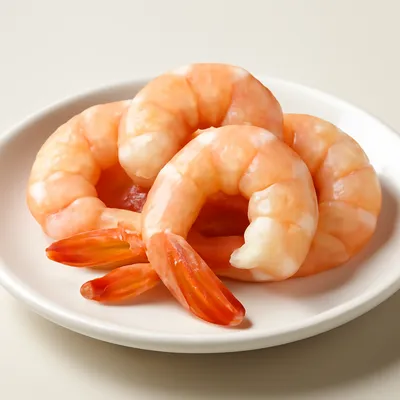
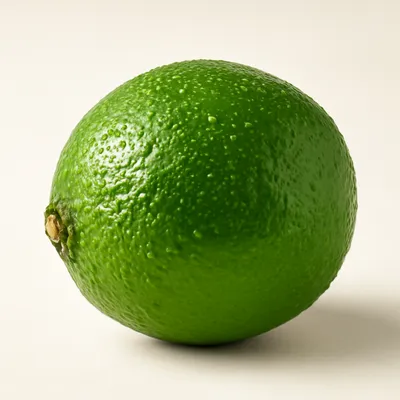
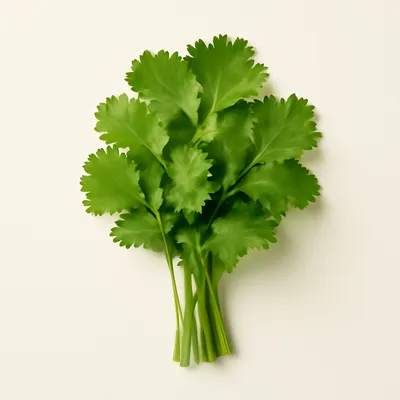
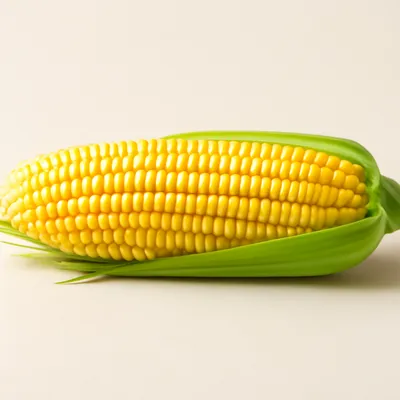
Ceviche mixto is the surf-and-shellfish version of Peru's national ceviche: cubed white fish joined by octopus, squid and shrimp, all dressed in the citrus marinade called leche de tigre with red onion, ají limo and cilantro. The octopus and squid are briefly boiled before they go in, while the fish and shrimp cure raw in the lime. It is the standard order at any coastal cevichería when one fish alone will not do, served cold with boiled choclo and a wedge of sweet potato to soften the acid.



Ceviche itself traces to pre-Columbian coastal Peru, where Moche fishers cured raw fish in fermented chicha and tumbo juice before Spanish limes reset the dish around citrus in the 16th century; UNESCO inscribed the practices around ceviche on its Intangible Cultural Heritage list in December 2023. The mixto variant is a cevichería-era elaboration rather than an ancient form: as Lima's seafood restaurants grew through the 20th century, the single-fish ceviche broadened into a mixed plate of fish plus octopus, squid and shellfish. Its exact debut is not documented, so it is best read as a restaurant evolution of the classic.
A cold tangle of textures: half-inch fish cubes still bouncy from a short cure, slices of just-tender octopus and squid with a clean snap, and sweet plump shrimp, all slicked in cloudy, lip-puckering leche de tigre. Red onion slivers and ají limo bring crunch and a slow building heat, cilantro a green lift. Boiled choclo gives starchy sweetness and sweet potato a mellow counterweight to the citrus.
Two curing logics share one bowl. The raw fish and shrimp firm by acid denaturation — lime's citric acid unfolds the surface proteins so they set like a gentle cook without heat; two to three minutes is enough, longer turns the fish chalky. The octopus and squid, being tough and collagen-rich, are boiled first, since acid alone cannot tenderise them. The leche de tigre — lime, fish juices, blended ají and a little onion — is the emulsion that binds everything; salt drawn from the seafood thickens it into the cloudy marinade eaten alongside.
Variations
Ceviche de mariscos drops the fish for an all-shellfish mix; a Nikkei mixto leans on soy, ginger and dashi; some northern cooks add a spoon of the marinade's chili paste for a redder, hotter plate, or swap in scallops where they are fresh.
On the Palate
Where Ceviche Mixto sits in the Peruvian flavor cloud
Ingredients
Serves 4
How it's made
8 steps · 30 min
- 140 min
Boil octopus 30-40 minutes until tender, then cool and slice; blanch squid rings 30 seconds and shrimp 1 minute, then chill all three.
Watch outBoil the octopus until a knife slides in easily, but only blanch the squid 30 seconds and shrimp 1 minute — tough seafood needs the long cook, tender needs a flash.
- 25 min
Cut firm white fish into half-inch cubes and chill.
- 310 min
Soak thin-sliced red onion in cold salted water 10 minutes, then drain.
- 48 min
Make leche de tigre: blend lime juice with a little fish, garlic, ají limo, cilantro stems, salt and ice, then strain.
- 53 min
Combine fish and shrimp with most of the lime marinade and cure 2-3 minutes, stirring once.
Watch outCure the fish and shrimp in the lime just 2-3 minutes — the acid firms the surface like a gentle cook; leave it longer and the fish goes chalky.
- 62 min
Fold in the boiled octopus and squid, the drained onion and chopped ají limo.
- 71 min
Season with salt, add cilantro leaves and a final splash of leche de tigre.
- 82 min
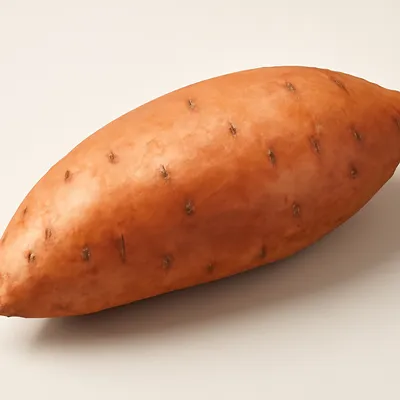
Serve at once with boiled choclo and a wedge of cooked sweet potato.
Archive tool suggestions — not reviewed
These legacy suggestions have not been evidence-reviewed and are not presented as required tools.


