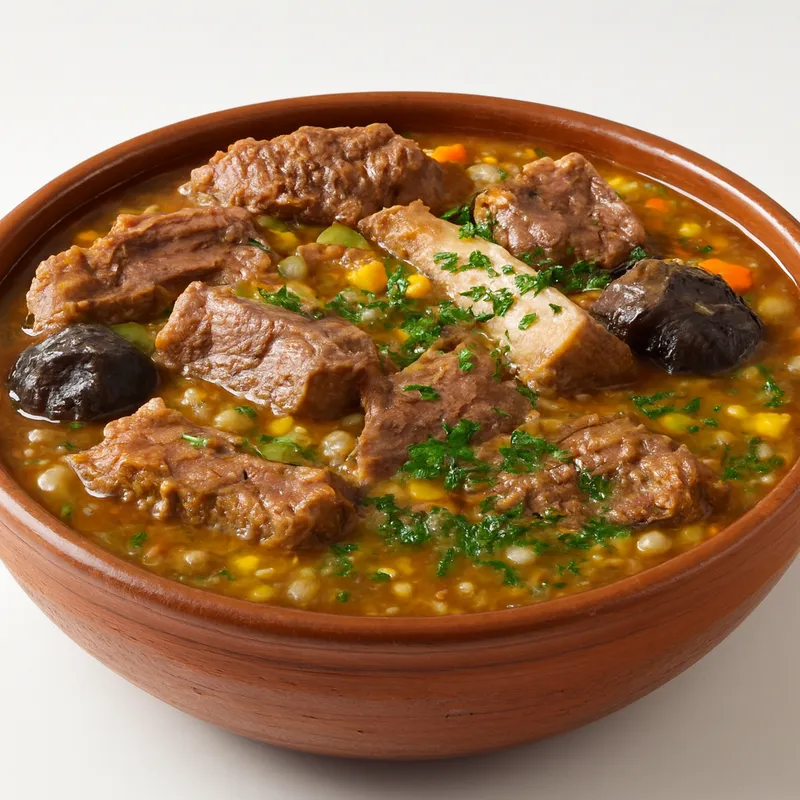
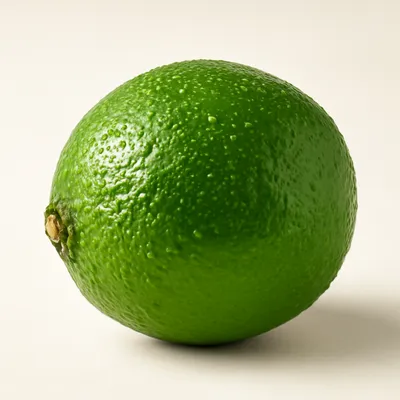
Ceviche norteño is the ceviche of Peru's north coast — Piura, Lambayeque and Tumbes — typically made with grouper (mero) or with black clams (conchas negras) pulled from the mangroves. It is a rustic, more pungent cure than the Lima style: heavier on lime, garlic and ají limo, often sharpened with chopped chili and a bolder pour of leche de tigre. Black-clam versions take on a dark, briny, almost inky character. Served with the usual choclo, sweet potato and onion.




The north coast is woven into ceviche's deep history — the pre-Hispanic Moche and later cultures of this region cured raw fish long before citrus arrived, and the area remains proud of its own robust style. Grouper is the prized local fish, while conchas negras, gathered by hand in the mangroves of Tumbes and northern Piura, give a distinctly regional version. The pungent, heavily limed northern cure is widely cited as a more rustic counterpoint to the cleaner Lima ceviche; exact origins are folk and undocumented.
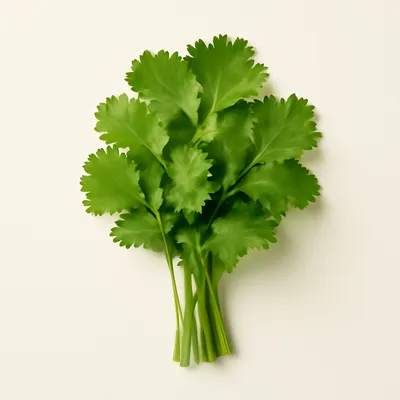
Chunks of firm white grouper, or dark, glossy black-clam meat, swimming in a sharp, cloudy lime cure flecked with red onion, chili and cilantro. The hit is bracingly sour and garlicky up front, with real chili heat behind it; the fish stays firm and the clams are chewy and intensely of the sea. The leche de tigre is briny and strong — meant to be spooned up or drunk. Sweet potato and choclo temper the bite.
As in all ceviche, lime acid denatures the surface proteins to firm the raw seafood without heat; the northern style simply cures harder — more lime, more garlic, more chili. Firm grouper holds up to the stronger acid better than delicate fish. Black clams are shucked raw and dressed with their own dark liquor, which gives the cure its inky color and deep brine; freshness is critical since the cure only firms, it does not sterilize.
Variations
Mero (grouper) is the classic fish, but other firm local catch is used; the conchas negras version is the prized regional specialty of Tumbes and Piura. Some add a little fish or shellfish stock to round the leche de tigre, and chinguirito — a northern ceviche made from dried, salted guitarfish that is rehydrated — is a related local tradition. Heat and garlic are dialed up well past the Lima norm.
On the Palate
Where Ceviche Norteño sits in the Peruvian flavor cloud
Ingredients
Serves 4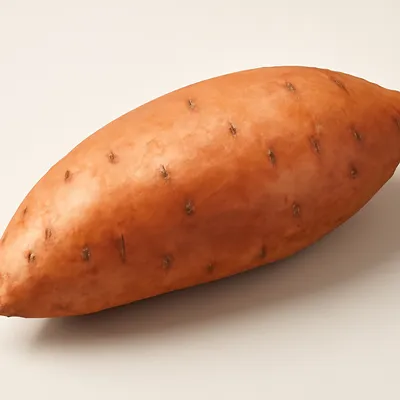
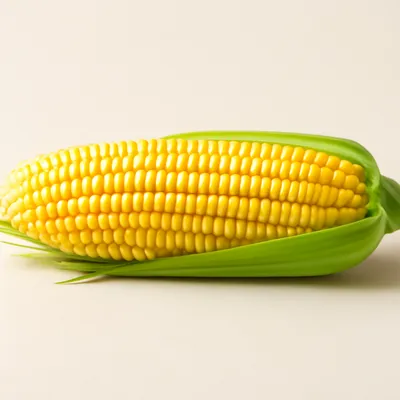
How it's made
8 steps · 25 min active + 5 min waiting
- 18 min
Cut very fresh grouper into 2 cm cubes (or shuck black clams, reserving their liquor).
Watch outStart with spotlessly fresh grouper and clams — the cure only firms the surface, it doesn't sterilize, so freshness is everything.
- 23 min
Rub the fish lightly with salt and a little crushed garlic.
- 35 min
Slice red onion thinly and rinse; chop ají limo and cilantro.
- 43 min
Juice plenty of fresh limes over the fish so it is well covered.
- 55 min
Add the garlic, chopped chili and salt; stir and let cure 3–5 minutes (longer for grouper, barely any for clams).
Watch outCure just three to five minutes — longer for firm grouper, barely any for clams; over-cure and the fish turns chalky and tough.
- 62 min
For black clams, fold in their reserved dark liquor.
- 73 min
Add the onion and most of the cilantro and toss; taste and adjust lime, salt and heat.
- 82 min
Serve at once with boiled sweet potato, choclo and the leche de tigre.
Archive tool suggestions — not reviewed
These legacy suggestions have not been evidence-reviewed and are not presented as required tools.