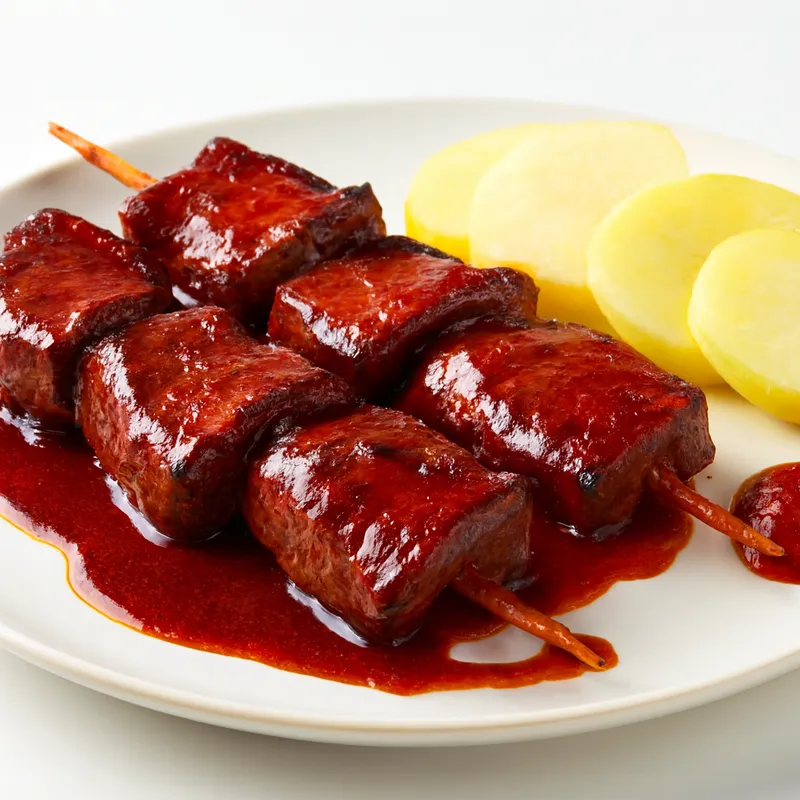
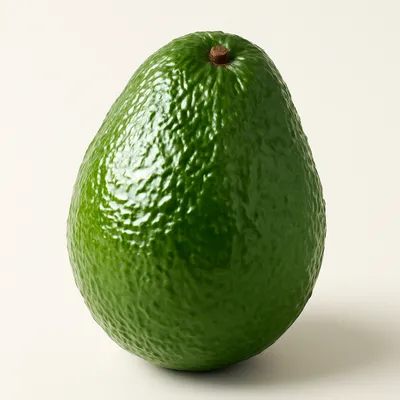
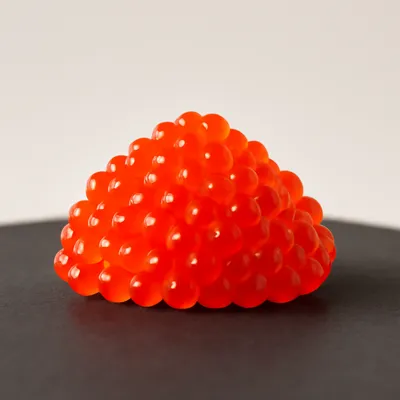
A Japanese-Peruvian take on causa. Yellow potato is whipped smooth with lime juice, aji amarillo and cold oil into a firm, golden mash, then chilled and topped — rather than wholly layered — with sashimi-grade tuna or salmon, avocado and a spoonful of tobiko. It keeps the cool, dense potato base of a classic causa but reads more like a sushi plate, the raw fish and roe replacing the usual mayo-bound filling.
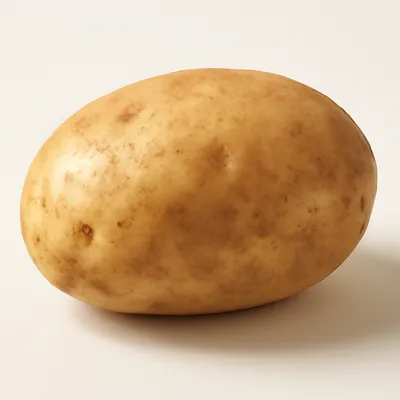
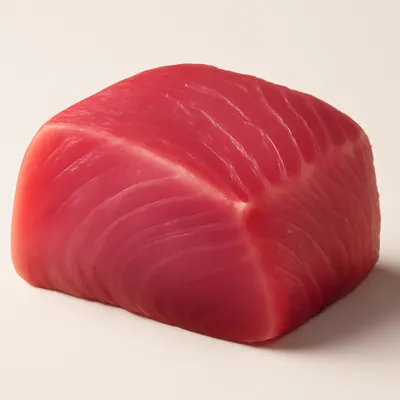

Causa itself is a long-standing Lima dish, built on the pre-Hispanic Andean habit of eating boiled potato cold with chili and brought to its modern molded form in 19th-century Lima. The Nikkei version is a later restaurant invention from the same Japanese-Peruvian current that reshaped ceviche and tiradito — a tradition rooted in Japanese immigration to Peru from 1899. Cooks kept causa's distinctive aji-amarillo potato base but borrowed the sashimi plate's logic, crowning it with raw fish and tobiko instead of the canned-tuna or chicken filling of the Lima standard. It is best understood as a Nikkei reinterpretation rather than a dish with a single documented author.
A cool, dense base of golden potato — tangy with lime, gently warm from the aji — under cold, glossy fish and the soft pop of tobiko. The mash is smooth and holds a clean cut; the avocado adds richness, and the roe gives little bursts of briny salt. It eats like a meeting point between a chilled potato terrine and a piece of nigiri.
As in any causa, the potato variety is decisive: papa amarilla has the dense, buttery starch that holds a chilled mold, where watery potatoes slump. Finishing the mash with cold oil rather than butter lets it firm in the fridge instead of greasing, and lime does double duty — its acid tightens the potato starch as well as seasoning it. The Nikkei move is to leave the fish raw and cold on top, so freshness is paramount and the fish must be sushi-grade; the tobiko is added at the end so the beads stay intact and pop rather than smear.
Variations
Tuna and salmon are the usual toppings, sometimes torched at the edge; a layered build sandwiches the fish between two potato layers like a classic causa; some cooks dress the top with a little nikkei sauce of soy and sesame; and shrimp or crab can stand in for the raw fish.
On the Palate
Where Causa Nikkei sits in the Peruvian flavor cloud
Ingredients
Serves 4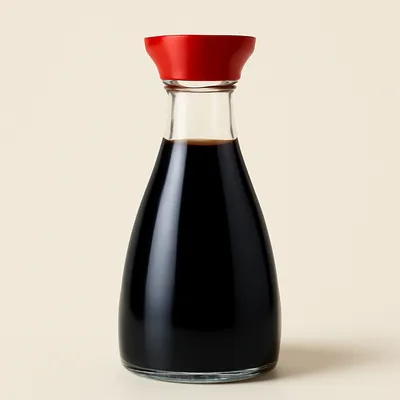
How it's made
7 steps · 35 min active + 25 min waiting
- 118 min
Boil yellow potatoes whole in their skins until tender, then peel while warm.
- 28 min
Pass them through a ricer and beat in lime juice, aji amarillo paste, cold oil, salt and pepper to a firm, smooth mash.
Watch outBeat in cold oil, not butter, and plenty of lime — the cold oil lets the mash firm up in the fridge instead of greasing, and the lime's acid tightens the potato starch so it holds a clean mold.
- 325 min
Press the mash into ring molds or a lined dish and chill until set, about 25 minutes.
- 44 min
Slice sushi-grade tuna or salmon thinly and keep on ice.
- 53 min
Unmold the potato base and lay avocado over it.
- 62 min
Arrange the raw fish on top and spoon over a little nikkei soy-sesame dressing.
- 72 min
Finish with a spoonful of tobiko and serve cold at once.
Watch outSpoon the tobiko on only at the very end so the beads stay whole and pop — stir it in early and they smear and lose that burst.
Archive tool suggestions — not reviewed
These legacy suggestions have not been evidence-reviewed and are not presented as required tools.