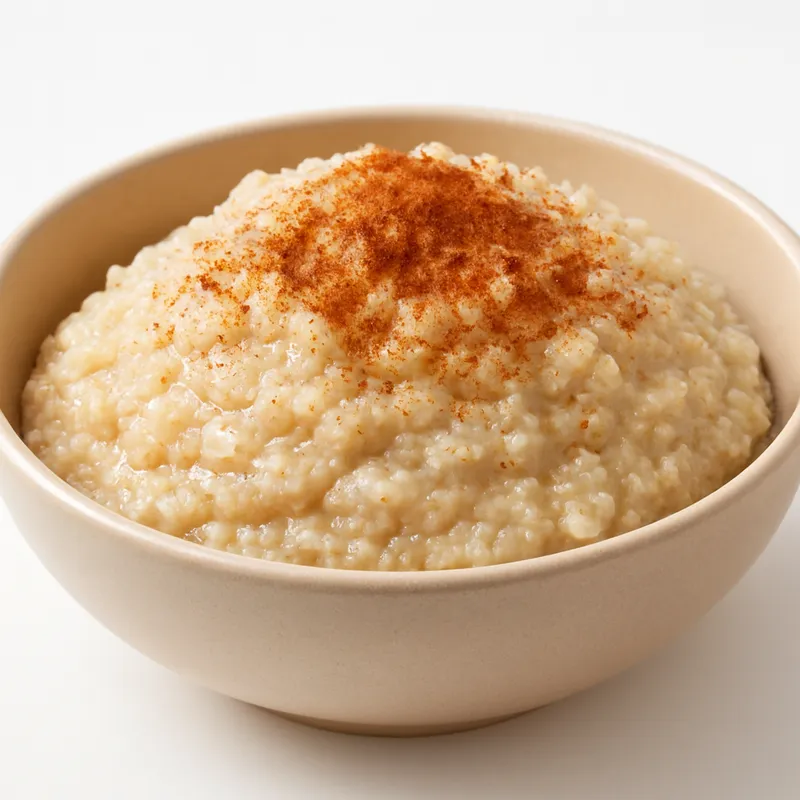
Picante de mariscos is a Peruvian coastal seafood stew of shrimp, squid, mussels, clams and fish simmered in a spicy ají-panca and ají-amarillo sauce, enriched with evaporated milk and thickened with soaked bread. The name marks it as a picante — a dish built on chili heat. It is ladled over white rice, often with a few boiled potatoes alongside. The sauce is creamy, deep red-orange and warmly hot rather than fierce.
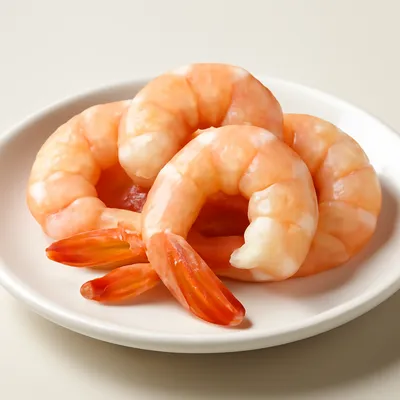


The dish comes from Peru's picante tradition — chili-forward stews common to the coast and to Arequipa's picanterías, the rustic taverns whose very name derives from these spicy plates. Picante de mariscos is the marine version, drawing on the Pacific's shellfish and the colonial-era pairing of ají with bread or milk to bind a sauce. It is home and cevichería cooking with no single recorded inventor; recipes vary by family and by the catch of the day.
A spoon brings up a thick, brick-orange sauce clinging to plump shrimp, white squid rings, an opened mussel and a flake of fish. The first taste is creamy and savory, then the slow build of ají-panca warmth and the fruitier heat of ají amarillo; the milk rounds the edge and the bread gives body. Over rice it eats rich and comforting, the grains soaking up the sauce.
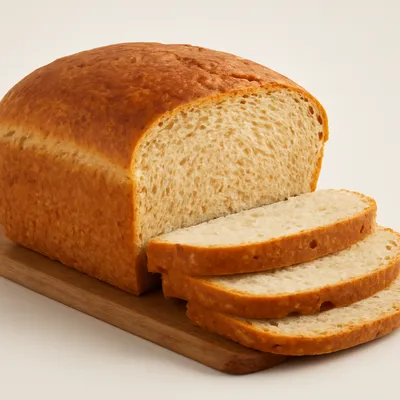
The base is a sofrito of onion, garlic and ají pastes cooked down until the rawness goes and the oil reddens — this builds the savory depth. Bread soaked in milk or stock, then mashed in, thickens the sauce without flour and gives a velvety body, while evaporated milk softens the chili. Seafood is added late and by type: squid first, then shellfish, then quick-cooking shrimp and fish, so nothing turns rubbery.
Variations
Some cooks lean on a single chili; richer versions add a splash of white wine or a handful of grated cheese. A common simpler cousin is picante de camarones, made with river shrimp alone, and in Arequipa the picante style runs to many ingredients beyond seafood. The bread-and-milk thickening can be replaced with a slurry of toasted ground crackers.
On the Palate
Where Picante de Mariscos sits in the Peruvian flavor cloud
Ingredients
Serves 4


How it's made
8 steps · 35 min active + 15 min waiting
- 112 min
Clean all seafood; cut squid into rings, cut fish into chunks, scrub mussels and clams.
- 25 min
Soak two slices of bread in a little milk or stock until soft.
- 38 min
Soften chopped onion and garlic in oil, then stir in ají panca and ají amarillo pastes and fry until the oil reddens.
Watch outFry the ají pastes until the oil reddens — that's the signal the rawness has cooked off and the savory depth has built.
- 46 min
Mash the soaked bread into the sofrito; add a ladle of fish or seafood stock and simmer to a thick sauce.
- 58 min
Add the squid and simmer 6–8 minutes; then add mussels and clams until they open.
Watch outAdd the seafood by type — squid first, then shellfish, then quick shrimp and fish last — so nothing overcooks to rubber.
- 65 min
Stir in the shrimp and fish and cook 4–5 minutes until just done.
- 74 min
Pour in evaporated milk, season with salt, cumin and pepper, and warm through without boiling hard.
- 83 min
Serve over white rice with boiled potato and chopped cilantro.
Archive tool suggestions — not reviewed
These legacy suggestions have not been evidence-reviewed and are not presented as required tools.