
Ika somen is raw squid cut into fine noodle-like strands and eaten like chilled somen, with a dipping sauce of ginger-soy or noodle broth. It is a specialty of Hokkaido, above all the port of Hakodate, where squid is landed in great quantity; the squid is cleaned, the body opened flat, and sliced lengthwise into translucent threads that are piled on ice and slurped up cool. The strands are sweet, clean and faintly snappy, the squid's natural sweetness coming through against the sharp ginger. It is essentially squid sashimi recut into noodles, plated to be eaten the way its name promises.



Ika somen is tied to Hakodate in southern Hokkaido, long one of Japan's great squid ports. According to local accounts, squid fishing took hold in Hakodate from the early Meiji period, the technique said to have been brought by fishermen from Sado around 150 years ago, and surume-ika (the Japanese flying squid, locally called mai-ika) became the city's emblematic catch — landed in volume through summer and eaten every way, raw included. The dish itself is, as the novelist Junichi Watanabe of Hokkaido noted, not an old fixed term: ika somen is a relatively modern name for what is at root squid sashimi cut fine, the noodle styling and the label catching on as the city leaned into its squid identity. Hakodate now sells it widely as a regional specialty, fresh and as a chilled mail-order product.
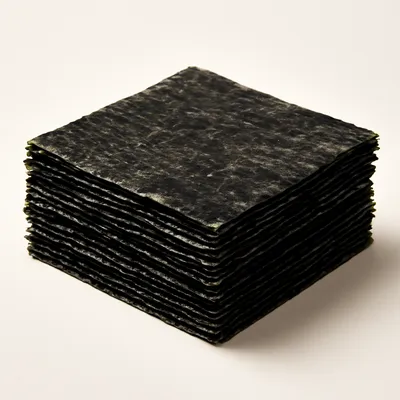
Cool, glossy threads of raw squid, almost translucent, that slip and tangle like real somen as you lift them. The texture is the point: a gentle resilient snap, then a clean melting softness, never rubbery the way cooked squid turns. The flavor is mild and distinctly sweet — squid's natural sweetness — set off sharply by the bite of fresh ginger in the soy. Often finished with a raw quail egg yolk, shredded nori and a little grated ginger to lift the whole bowl. It eats light, cold and slippery.
Everything depends on freshness and the cut. Squid muscle is built from tight bundles of fibers running mostly in one direction; slicing the opened body lengthwise, along that grain, into very fine threads keeps each strand intact and noodle-like and exposes the most surface, which is what gives the silky, just-resistant bite. The squid must be very fresh and raw — heat would denature the muscle proteins and seize the flesh into the familiar rubberiness, so it is never cooked. The body is scored or peeled of its thin membrane so the strands separate cleanly. Chilling on ice firms the flesh for a crisper texture and a cleaner taste, and the ginger in the dipping sauce both brightens the squid's faint sweetness and tempers any raw-sea smell.
Variations
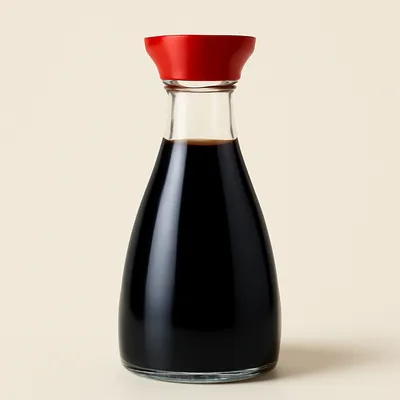
Surume-ika is the everyday choice in Hakodate, while aori-ika and yari-ika give a softer, sweeter strand when in season. The dipping sauce ranges from plain ginger-soy to a dashi-based noodle broth; a raw quail egg yolk stirred in is a common Hokkaido touch, as is a topping of salmon roe or sea urchin for a luxury version. Some shops serve the squid's body cut into noodles with the legs lightly grilled alongside, and the same fine-cut idea is applied to very fresh octopus.
On the Palate
Where Ika Somen sits in the Japanese flavor cloud
Ingredients
Serves 2How it's made
6 steps · 20 min
- 15 min
Choose a very fresh whole squid; pull the body and innards apart and remove the clear quill.
- 25 min
Peel the thin membrane from the body and open it out into a flat sheet, rinsing and patting it dry.
- 35 min
Lay the sheet flat and slice it lengthwise, along the grain, into the finest threads you can.
Watch outSlice lengthwise along the grain into the finest threads — cut this way each strand stays intact and silky; against the grain they fall apart.
- 43 min
Chill the strands briefly on ice or in the refrigerator to firm them.
Watch outChill the strands briefly to firm them — cold keeps the raw squid crisp and clean-biting; warm it turns slack.
- 51 min
Pile the cold squid noodles on a chilled plate, fanning them so they stay loose.
- 61 min
Top with grated ginger, shredded nori and a quail egg yolk if using, and serve with ginger-soy or noodle broth for dipping.
Archive tool suggestions — not reviewed
These legacy suggestions have not been evidence-reviewed and are not presented as required tools.


