Yujacha is a honeyed Korean citron tea made not from tea leaves but from yuja, a small, intensely fragrant citrus. The whole fruit, peel and all, is sliced wafer-thin and layered with sugar or honey, then left to cure into a thick, marmalade-like preserve called cheong. A heaped spoonful of that preserve stirred into hot water makes a fragrant, sweet-tart cup with a gentle bitter edge from the peel. Rich in vitamin C, it is a beloved winter drink in Korea, taken to ward off colds and warm the body.
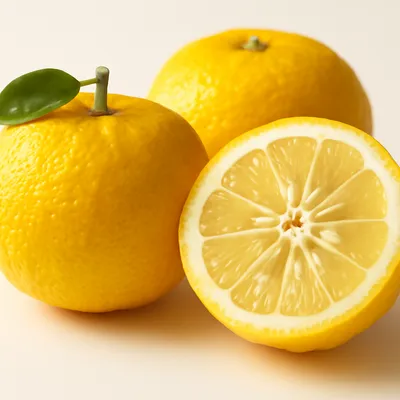



Yuja, the citron at the heart of this tea, is Citrus junos, a fruit that originated along the upper Yangtze in China and is widely said to have reached the Korean peninsula around the Silla period before later spreading to Japan; its precise arrival is not firmly recorded. On Korea's warm southern coast the fruit found a home, and the towns of Goheung in South Jeolla and the island of Geoje became the country's yuja heartland. Too sour and too full of seeds to eat out of hand, the fragrant fruit was instead preserved with honey or sugar into a cheong that could be kept through winter and dissolved a cup at a time, a thrifty country habit that grew into one of Korea's most familiar traditional teas.
The aroma hits first, a bright burst of citrus oil from the peel that fills the nose before the first sip. The cup is sweet and honeyed up front, then turns tart and lively, with a clean bitter lift from the rind that keeps it from cloying. Soft threads of peel float in the glass, chewy and faintly chewy-sweet, and the warmth settles in the chest like a remedy. It tastes like a fragrant, restorative version of marmalade dissolved in tea.
The drink works on the principle of a sugar cure. Slicing the whole fruit thin exposes a large surface, and packing it with an equal weight of sugar or honey draws water out of the peel and pulp by osmosis, dissolving into a thick syrup. That high-sugar syrup binds the available water and starves out spoilage microbes, so the cheong keeps for months without cooking, while the resting time lets the bitter, aromatic oils in the rind mellow and marry into the syrup. Because the fragrance lives in the volatile oils of the peel, the fruit is never boiled hard, only gently cured and then dissolved in hot water, which releases the aroma without driving it off.
Variations
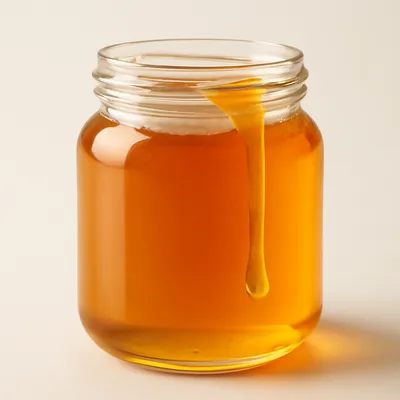
Recipes split between honey and sugar, or a mix of both; some cooks add a pinch of salt to round the flavor or a splash of lemon to brighten it. The peel can be left in coarse ribbons for a chewier cup or shredded fine for a smoother one. Beyond hot water, the cheong is stirred into iced water or soda for a summer cooler, spooned over yogurt and shaved ice, brushed onto cakes, or glazed over roast meats. Many Korean households still put up a jar each winter, though jarred yujacha preserve is sold year round.
On the Palate
Where Yujacha sits in the Korean flavor cloud
Ingredients
Serves 20How it's made
6 steps · 45 min
- 115 min
Scrub the yuja well under hot water, then soak briefly in salted water and rinse to clean the peel.
- 220 min
Halve the fruit, juice it, pick out the seeds, then slice the peel and flesh together as thin as you can.
- 35 min
Weigh the sliced fruit and measure out roughly an equal weight of sugar, or part sugar and part honey.
- 410 min
Toss the fruit and sugar together until evenly coated, then pack into a sterilized jar, finishing with a layer of sugar on top.
Watch outPack the sliced fruit with roughly its own weight in sugar — that heavy sugar is what draws out the syrup and preserves it for months.
- 510080 min
Seal and rest at room temperature for about a day, then refrigerate and let it cure for a week or more until syrupy and mellow.
- 63 min
To serve, spoon the preserve into a cup and stir into hot water until dissolved.
Archive tool suggestions — not reviewed
These legacy suggestions have not been evidence-reviewed and are not presented as required tools.