
Ssiat-hotteok is the Busan version of hotteok, the sweet yeasted Korean street pancake. A round of dough is fried in a shallow pool of oil and pressed flat on a hot griddle, then split along one edge with a spatula and packed full of a seed-and-nut mix — sunflower seeds, pumpkin seeds, peanuts, sesame, sometimes pine nuts and almonds — on top of the brown-sugar syrup that has melted inside. It is the signature snack of the Nampo-dong street stalls around Busan's BIFF Square and Gukje Market, where vendors tuck each one into a folded paper cup so the seeds don't spill. Where plain hotteok is filled only with brown sugar and cinnamon, ssiat-hotteok adds the loose, crunchy seeds, and it is eaten standing up, hot enough to scald the tongue.




Hotteok itself traces to Qing-dynasty China and was carried into Korea by Chinese merchants who settled along the peninsula in the late 19th century — the trade following the Imo Incident of 1882 is the date most often cited. The Korean name preserves that lineage: the syllable 'ho' (호) is, by one account, the old character 胡 used for peoples north and west of China, marking the pancake as a foreign import. The merchants sold cheap dough snacks such as tang huoshao (糖火烧), which Koreans absorbed under the single name hotteok and gradually sweetened to local taste with brown sugar and cinnamon. Ssiat-hotteok — 'seed hotteok' — is a much later Busan invention, recorded by the Encyclopedia of Korean Culture as appearing on the Nampo-dong streets in the 1980s, often dated to the late 1980s, when vendors began splitting the fried pancake and stuffing it with crushed nuts and seeds. It is sometimes said to descend from the way refugees crowded into wartime Busan packed grains and seeds into their hotteok, though the exact origin is unrecorded. The snack stayed a local specialty until the late 2000s, when television features tied to the area around the Busan International Film Festival carried its fame nationwide.
It comes out flatter and wider than plain hotteok, the underside fried to a blistered amber, the split edge spilling a little. The first bite is two textures at once: the dough is soft and slightly chewy, pulling apart in a sweet, hot tear, while the seeds inside stay loose and crackle between the teeth — sunflower and pumpkin seeds, the brittle snap of peanuts, the toast of sesame. Under all of it runs the brown-sugar syrup, dark and almost burnt-sweet, thin enough to scald. Eaten over the paper cup, the loose seeds keep falling, and you tip the cup back to finish them.
The dough is leavened with yeast — often cut with a portion of glutinous rice flour, whose branched amylopectin starch gives the chew and keeps the crumb from going dry — and left to rise until airy, so it puffs and stays tender in the oil. It is fried in a shallow film of oil and flattened with a press, so the bottom sits in fat hot enough to brown: at roughly 170 to 180°C the sugars and the dough's amino acids run the Maillard reaction and the surface caramelizes to that blistered amber. The brown sugar tucked inside, well below its melting point at room temperature, turns to a thin molten syrup in the heat. The defining move is the order of assembly: the seeds go in only after frying, through the split. Added at the end, they never sit in the wet syrup long enough to soak and steam soft — they keep their roasted crunch, while the toasting they get from the residual heat lifts their nutty aroma without scorching.
Variations
Plain hotteok (the nationwide standard) skips the seeds entirely, filled only with brown sugar and cinnamon. Chapssal-hotteok leans on glutinous rice flour for a markedly chewier, stretchier dough. The dough is sometimes tinted and flavored — green-tea (matcha) hotteok turns it green, and dark versions use squid ink or black sesame. Savory styles depart from the sweet line: japchae-hotteok is stuffed with seasoned glass noodles and vegetables instead of sugar, and there are versions filled with kimchi or vegetables. Within ssiat-hotteok itself, stalls vary the seed mix, some adding raisins, walnuts, almonds or pine nuts to the base of sunflower and pumpkin seeds.
On the Palate
Where Ssiat-hotteok sits in the Korean flavor cloud
Ingredients
Serves 6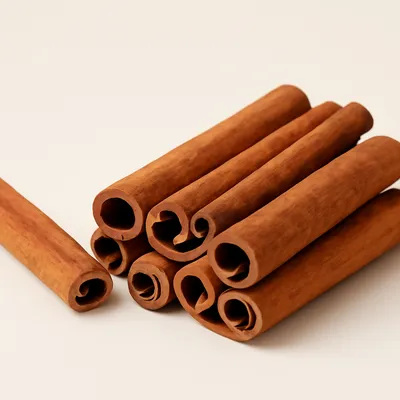


How it's made
9 steps · 35 min active + 1 hour 15 min waiting
- 15 min
Stir together warm milk (about 40°C), sugar, instant yeast and a pinch of salt; let it sit a few minutes until foamy.
Watch outWait for the yeast mix to go foamy — no foam means it won't rise, and the hotteok fries dense instead of airy.
- 28 min
Mix in all-purpose flour and a portion of glutinous rice flour, then a little oil, working it into a soft, slightly sticky dough; knead briefly until smooth.
- 360 min
Cover and let the dough rise in a warm spot until roughly doubled, about 1 hour, then punch it down.
- 47 min
Make the filling: combine brown sugar with a little cinnamon, and separately toast and roughly crush the sunflower seeds, pumpkin seeds, peanuts and sesame.
- 55 min
With oiled hands, flatten a piece of dough, spoon in the brown-sugar mixture, gather the edges to seal, and pinch closed into a ball.
- 64 min
Heat a generous film of oil in a pan over medium heat and lay the ball seam-side down; press flat with an oiled spatula or hotteok press into a thick disc.
Watch outFry in a hot film of oil and press flat — the browning needs the bottom sitting in fat hot enough to Maillard the surface to blistered amber.
- 75 min
Fry until deep golden on both sides and the sugar has melted within, about 2 to 3 minutes per side.
- 83 min
Lift out, slice partway through one edge to open a pocket, and pack the toasted seed-and-nut mix into the molten center.
Watch outOpen the pocket and pack in the seeds only after frying — added inside from the start they'd scorch in the pan.
- 91 min
Tuck into a folded paper cup and eat at once, while the syrup is still hot.
Archive tool suggestions — not reviewed
These legacy suggestions have not been evidence-reviewed and are not presented as required tools.



