





Comal-charring is pre-Hispanic — Mesoamerican cooks have ground charred chiles and tomatoes in basalt molcajetes for at least 3,000 years, since the comal itself dates to the same period as nixtamal corn. The version with ancho specifically is post-1500s, since dried poblano chiles (which become ancho) entered the central Mexican kitchen as a preservation method. The asada/cruda distinction is the central organizing axis of Mexican table salsa: roasted versus raw, mellow-sweet versus bright-sharp.
Comal-charring is pre-Hispanic — basalt molcajetes and griddles date back at least 3,000 years alongside nixtamal corn. Dry-charring drives Maillard browning on tomato skin and chile flesh; boiling produces a thin pink purée that tastes flat. Pulse, never smooth-blend.
First a soft tang from charred tomato, then ancho's raisin-prune sweetness rolls in mid-palate, then serrano's clean green heat hits the back of the tongue 3-4 seconds later. Texture is loose but pulpy — you feel the tomato skin and chile flesh on the spoon, never smooth like jarred salsa. Smoke-forward but not aggressive; the chile is fruit, not fire. If the salsa is uniformly red and silky, it was blended too long or boiled instead of charred.
Dry-charring on a comal does two things boiling cannot. First, the Maillard browning on tomato skin and chile flesh creates the dark roasted-fruit notes — pyrazines and furanones — that define the salsa's profile. Second, evaporating the surface water concentrates the sugars without diluting them in cooking liquid. Boiling tomatoes for salsa, by contrast, produces a thin pink purée that tastes flat. The pulse-blend (not smooth-blend) keeps fiber suspended so the salsa coats a chip instead of running off.
Variations
Mexico City taquerías run a serrano-forward asada that's loose and pulpy; Oaxacan kitchens use chile de agua for a fruitier profile; northern norteño versions char chiltepín on a hot stone instead of a comal.
On the Palate
Where Salsa Roja Asada sits in the Mexican flavor cloud
Ingredients
Serves 6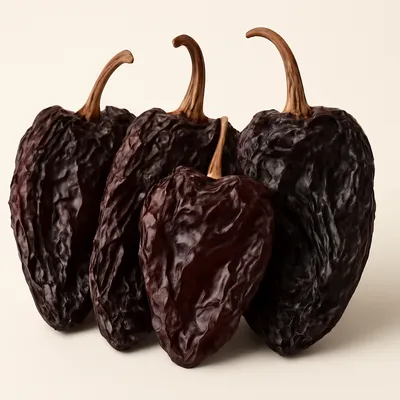
How it's made
5 steps · 20 min active + 5 min waiting
- 13 min
Heat a dry comal or heavy cast-iron skillet over medium-high until a drop of water bounces off the surface. No oil — the chiles and tomatoes char directly on dry metal.
Watch outIf the comal is too cool the tomato skins steam instead of char — wait for the bounce-off temperature.
- 212 min
Stem and seed 2 dried ancho chiles. Press them flat onto the hot comal for 8-10 seconds per side until they puff and turn fragrant — they should change color from dull burgundy to a brighter red, with no black spots. Transfer to a bowl, cover with hot water, soak 10 minutes.
Watch outBurnt anchos turn the entire salsa bitter — pull them the moment the aroma blooms, well before any black appears.
- 310 min
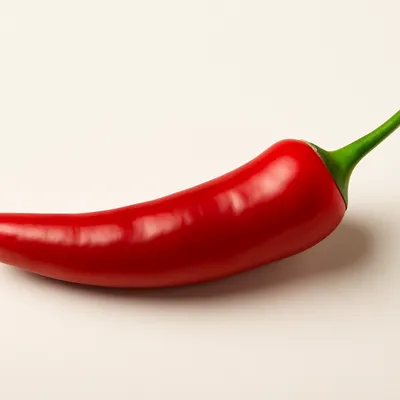
On the same comal, char 4 medium ripe tomatoes (~500g), 3 serrano chiles, 4 unpeeled garlic cloves, and 1/2 white onion (cut into thick wedges). Turn every 2-3 minutes until skins are blistered and blackened in patches — about 10 minutes total. Tomatoes should collapse slightly. Peel the garlic after charring.
Watch outAim for 30-40% blackened skin, not full black — too much char tastes acrid.
- 42 min
Drain the soaked anchos. Combine all charred vegetables (skins on the tomatoes for color and flavor), the anchos, 1 tsp salt, and 60ml of the chile-soaking water in a blender. Pulse 4-5 times to a coarse, textured purée — not smooth. The salsa should still show specks of skin.
- 51 min
Taste and adjust salt. Pour into a molcajete or stone bowl for service. Eat at room temperature with warm tortillas, totopos, or alongside grilled meats. Keeps 3 days refrigerated; flavor deepens overnight.
Archive tool suggestions — not reviewed
These legacy suggestions have not been evidence-reviewed and are not presented as required tools.
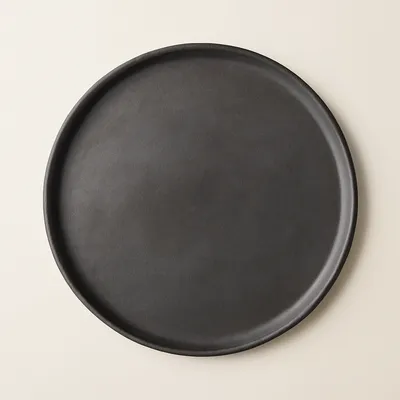
A flat round griddle of steel, cast iron, or unglazed clay, 30-50 cm across, the workhorse of the Mexican kitchen. It sits directly over a flame to toast tortillas (the puff happens in 30 seconds when the heat is right), char chiles for moles, blister tomatoes for salsas, and warm reheated leftovers. Clay comales (especially from Oaxaca) season with each use and impart a faint smoky tang that no metal version can fake.
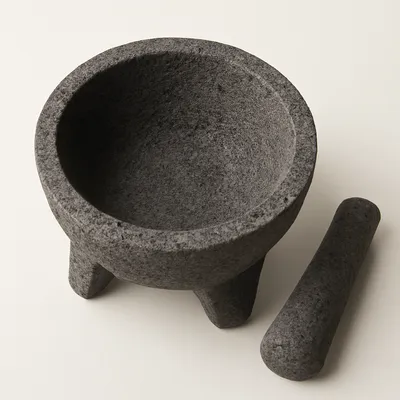
A three-legged mortar carved from porous volcanic basalt, 20-25 cm across, paired with a lava-stone pestle (tejolote). The rough surface tears cell walls instead of slicing them — the difference between a salsa de molcajete and a blender salsa is night and day, the molcajete-pounded version releases oils and aromatics the blade cannot reach. New ones must be cured by grinding rice and salt until the slurry comes out clean of grit.

A heavy, single-piece cast iron pan, 25-30 cm across, weighing 1.5-2.5 kg. Once preheated, the thick mass holds 230°C+ even when a cold steak hits the surface — that's the secret to a deep crust. A well-seasoned skillet (multiple thin layers of polymerized oil baked into the iron) is essentially nonstick, gets better with use, and lasts a century. Lodge skillets from Tennessee have been in continuous production since 1896.


