
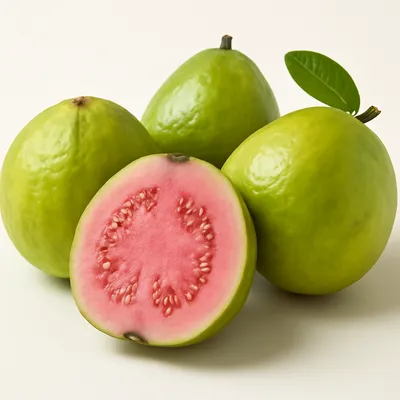
A warm, masa-thickened corn drink flavored with pink guava: ripe guavas are simmered, blended, and strained, then stirred into a pot of milk or water thickened with corn masa and sweetened with piloncillo or sugar. The guava turns it fragrant and faintly tart against the smooth, comforting body of the atole. It is a popular fruit version of Mexico's ancient corn beverage, drunk hot at breakfast, on cold mornings, and through the Day of the Dead and Christmas seasons. Thick enough to coat a spoon, floral and gently sweet.



Atole — a warm corn-masa drink — is one of the oldest continuously prepared beverages in Mesoamerica, described in 16th-century colonial sources and drunk by the Mexica long before the conquest, often unsweetened and sometimes ritual. Fruit-flavored atoles developed as sugar, dairy, and Old and New World fruits entered the repertoire; guava (native to the Americas and tropical Mexico) became a favorite flavoring, especially in central and western Mexico and Michoacán. Atole de guayaba is one of many regional fruit atoles rather than a single-origin dish; the deep antiquity belongs to atole itself, while the guava version is a later popular elaboration with no fixed inventor.
Smooth and thick, somewhere between a hot drink and a loose pudding, warm against the throat on a cold morning. The body is the soft, faintly toasted-corn taste of masa, gently sweet from piloncillo, and over it floats the bright tropical perfume of guava — floral, a little musky, with a hint of tartness that keeps the sweetness in check. The fruit's tiny strained seeds are usually removed, so the texture stays silky. Sipped slowly from a clay or steel mug, often with a tamal or a piece of pan dulce alongside.
The body comes from gelatinizing corn starch. Masa harina is slurried in cold liquid first, then added to the hot pot — at room temperature the starch granules stay dispersed, but if dry masa hits hot milk it gels instantly into lumps. As the slurry heats, the starch granules swell and absorb water, thickening the drink into its characteristic smooth, spoon-coating body. The guava is cooked and blended to release its aromatic compounds, then strained to remove the hard seeds and grainy stone cells. One caution with fruit atoles: very acidic fruit can thin a starch-thickened drink, because acid and prolonged heat break down the starch — so the fruit purée is added toward the end and the atole is not boiled hard afterward, preserving the thickness. Piloncillo adds molasses depth beyond plain sweetness.
Variations
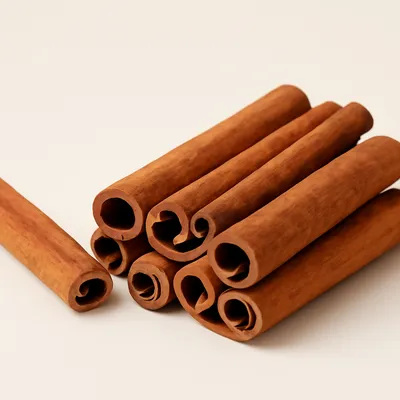
Made with water it is leaner and more fruit-forward; with milk it is richer and rounder. Other fruit atoles follow the same method — strawberry (fresa), blackberry (zarzamora), pineapple, and tamarind. A pinch of cinnamon or a piece of canela is often simmered in. In Michoacán guava atole is a regional favorite and sometimes mingled with champurrado. Some cooks leave the purée slightly coarser for more texture; others strain it very fine for a silky cup.
On the Palate
Where Atole de Guayaba sits in the Mexican flavor cloud
Ingredients
Serves 4How it's made
5 steps · 25 min
- 110 min
Simmer the guavas in water until soft, then blend and strain to remove the seeds.
- 22 min
Whisk the masa harina into cold milk (or water) until fully dissolved and lump-free.
Watch outWhisk the masa harina into cold liquid until fully dissolved before it hits the pot — dry masa in hot milk clumps instantly into lumps.
- 35 min
Pour the masa slurry into a pot with the remaining liquid and piloncillo and bring to a gentle simmer, stirring constantly.
- 44 min
Cook, stirring, until the atole thickens enough to coat a spoon.
Watch outCook and stir until it coats a spoon — that's the starch fully gelatinized into the smooth body; add acidic fruit before this and it can thin back out.
- 53 min
Stir in the strained guava purée, warm through without hard-boiling, and serve hot.
Archive tool suggestions — not reviewed
These legacy suggestions have not been evidence-reviewed and are not presented as required tools.


