
Northern Mexican distilled spirit made from the Dasylirion plant (desert spoon, sereque), roasted in pit-ovens, fermented, and double-distilled in copper pot stills — protected by Denomination of Origin in Chihuahua, Coahuila, and Durango.
Sotol pre-dates the Spanish conquest: the Rarámuri (Tarahumara) and other northern peoples ate roasted Dasylirion hearts as food and brewed a low-ABV ceremonial drink. Distillation arrived with Spanish copper-still technology in the 17th century, applied to the same pit-roasted plant. The Denomination of Origin (DO) was granted in 2002, restricting commercial sotol production to Chihuahua, Coahuila, and Durango. Each plant takes 12-15 years in the desert to mature, harvested by sotoleros who cut the heart (cabeza) with a coa.
Pre-Hispanic drink of the Rarámuri; distillation arrived with 17th-century Spanish copper stills. Plant is Dasylirion — a different genus from agave entirely. DO granted 2002 to Chihuahua, Coahuila, Durango. Each plant takes 12-15 years to mature.
First nose: alcohol prickle, then a wave of green — like crushing celery leaves between your fingers — and a mineral piney undertone. First sip is hotter than tequila but the palate widens fast: vegetal at the front, slightly smoky-resinous in the middle, then a long dry finish that tastes like warm desert stone. With salt and lime: salt amplifies the herbal notes, lime cuts the alcohol. A good sotol is unmistakably plant-driven — if it tastes like vodka with smoke, it's industrial.
Sotol's flavor comes from three places. (1) The Dasylirion plant — botanically distinct from agave (mezcal/tequila is from Asparagaceae's Agave genus; sotol is from the same family but Dasylirion genus) — has a different sugar profile and a sharper green-vegetal aromatic. (2) Pit-roasting in a stone-lined earth oven for 3-5 days caramelizes the inulin and adds light smoke. (3) Double distillation in copper pot stills (not column) keeps the volatile aromatic compounds; column distillation would strip them and give a neutral spirit.
Variations
Chihuahua runs greener and more vegetal; Coahuila tends drier and more mineral; Durango distillers like Don Cuco or Ocho Cientos make a smokier, longer-pit-roasted style.
On the Palate
Where Sotol sits in the Mexican flavor cloud
Ingredients
Serves 1How it's made
5 steps · 5 min
- 11 min
Source a bottle of artisanal sotol — look for producers from Chihuahua (Hacienda de Chihuahua, Sotol Coyote, Por Siempre) or Durango. The label should say 「100% Dasylirion」 — anything blended is industrial.
Watch out「Sotol joven」 (unaged) is the traditional pour; 「reposado」 (rested in oak 2-9 months) and 「añejo」 (1+ year) are recent additions and obscure the desert-spoon character.
- 21 min
Use a small straight-sided clay or volcanic-stone copita (the traditional vessel) or, failing that, a low-rim tasting glass. Avoid a tequila shooter — sotol is sipped, not shot.
- 31 min
Pour 30ml at room temperature. No ice — chilling shuts down the herbal aromatics. Hold the copita at chest level and inhale through your mouth, slightly open, before the first sip — sotol's alcohol is sharp on the nose but the palate is gentler.
Watch outInhaling deeply through the nose burns the sinuses on a 38-45% ABV spirit — open-mouth breathing lets you taste the volatile oils without the alcohol burn.
- 41 min
Sip a small amount, hold on the tongue 5 seconds. Look for: green vegetal notes (raw celery, herbs), a slight earthy-piney resin from the pit-roasted plant, faint smoke (less than mezcal), and a long mineral finish.
- 51 min
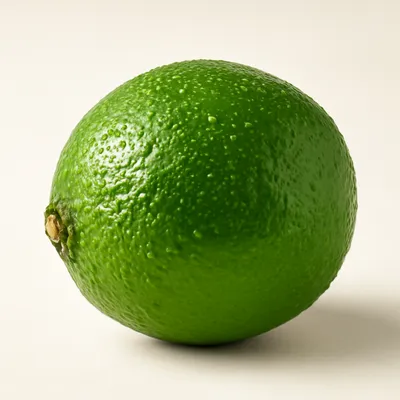
Pair with a wedge of lime and a small dish of sal de gusano (worm salt) or plain coarse sea salt. Lick salt, sip sotol, suck lime — the Norteño order. Some drinkers prefer it neat with a sangrita chaser (tomato-orange-chile juice).
Archive tool suggestions — not reviewed
These legacy suggestions have not been evidence-reviewed and are not presented as required tools.
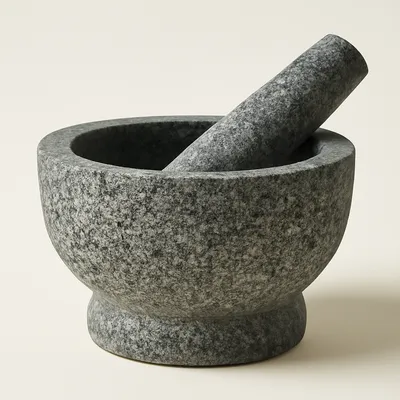
The simplest tool in any kitchen: a heavy bowl and a club to bash things in it. Different cuisines use different stones — Thai cooks pound green papaya in a tall granite mortar (krok hin); pesto Genovese requires the soft-pored Carrara marble; Indian masalas grind down on rough basalt. The bash-don't-cut motion releases volatile oils that a blade keeps sealed in the cell wall.

A pit oven dug into the ground, lined with porous lava rock, in which a wood fire is built and burned down to embers. Banana stalks and ti leaves are layered on top of the hot rocks, then a whole kalua pig (or other large protein) is wrapped in more leaves and lowered in; the whole pit is covered with wet burlap and earth and steams for 6-12 hours. The result has a smoky-sweet flavor no above-ground oven can replicate.


