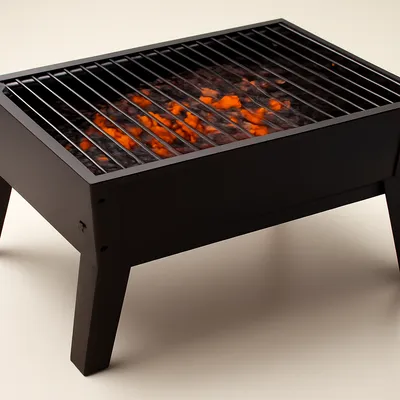
Beef sirloin or top round butterflied into paper-thin sheets, salt-cured and air-dried, then grilled over charcoal and served with black beans, memela, grilled nopal, and lime.



Tasajo is the Oaxacan answer to a refrigeration-free climate — beef cured by salt and dry mountain air, a technique brought to the New World by Spanish settlers and adopted into Zapotec foodways by the late 1500s. The dish is institutionally tied to the smoke alley (pasillo del humo) at Mercado 20 de Noviembre and Mercado de Abastos, where butchers sell raw cured sheets by the meter and grills line the corridor — you pick your meat, hand it to the cook, sit on a stool while it sears, eat it with hands and tortillas.
Spiral-butterfly-cut beef sheets, salt-cured and air-dried — a Spanish technique adopted into Zapotec foodways by the late 1500s. The defining address is the smoke alley (pasillo del humo) at Mercado 20 de Noviembre: you pick raw cured meat by the meter, hand it to a grill cook, sit on a stool while it sears.
The first bite is salt and char and beef in that order — the cure has driven the seasoning deep into every fibre, so you taste it on the inside, not just the surface. Texture is between fresh steak and jerky: chewy but yielding, with charcoal smoke clinging to the edges. You tear a piece, lay it on a warm memela, add nopal and a spoon of beans, squeeze lime. The benchmark is Mercado 20 de Noviembre's smoke alley — if your kitchen doesn't smell like a brushfire afterwards, the grill wasn't hot enough.
The spiral butterfly cut is the load-bearing skill: a single sheet has uniform thickness, so it cures and grills evenly, where strip cuts go raw in the middle. Salt-cure plus air-dry does two things — pulls free water (so the meat holds together on a hot grate) and concentrates beef flavour (the muscle proteins partially denature, intensifying umami). Skip the air-dry step and you get oversalted steak; skip the salt and the meat falls apart on the grill.
Variations
Mercado 20 de Noviembre's pasillo del humo and Mercado de Abastos hang their cured sheets side by side with cecina enchilada (the chile-cured pork sister); Etla-valley butchers leave the cure shorter for a wetter texture; Mitla cooks finish over avocado wood.
On the Palate
Where Tasajo Oaxaqueño sits in the Mexican flavor cloud
Ingredients
Serves 4How it's made
6 steps · 50 min active + 23 hours 20 min waiting
- 125 min
Take 800g beef top round in one piece. Using a long thin knife, butterfly-cut in a continuous spiral so the whole piece unrolls into one sheet 4-5mm thick — the classic Oaxacan tasajero technique. Lay flat on a board.
Watch outKeep the knife flat and pull with your other hand — the cut is one continuous slice, not multiple passes.
- 21380 min
Rub the sheet thoroughly on both sides with 25g coarse sea salt. Hang on a wooden rack or drape over a clean line in a cool, airy spot (15-20°C) for 18-24 hours until the surface is dry to the touch and the meat has darkened to deep ruby. Do not refrigerate.
Watch outHumid kitchens will turn the meat slimy — set a fan on low or do this in a screened porch.
- 330 min
Light a hardwood charcoal grill (mesquite if available) and let it burn down to a thick bed of grey-ashed embers, about 250°C at the grate. Brush the grate clean.
- 45 min
Cut the cured sheet into 25cm pieces. Slap directly onto the hot grate. Cook 60-90 seconds per side — the cure makes it scorch fast. Pull when edges curl and centre is just firm. The meat should be cooked through but tender, not jerky-stiff.
Watch outTasajo is thin and salty — past 2 minutes a side it goes leathery. Time it like steak, not like a roast.
- 58 min
While meat grills, char 2 nopal (cactus paddles) directly on the grate, 4 minutes per side until floppy and grill-marked. Slice into ribbons. Warm 4 memelas on the side of the grill.
- 63 min
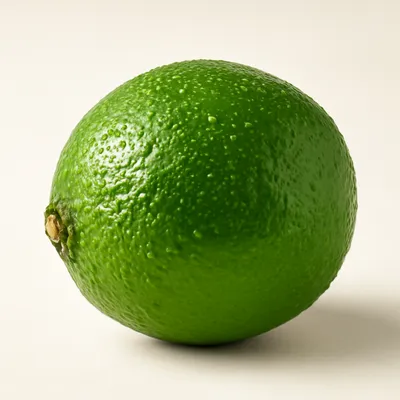
Pile the grilled tasajo in the centre of a clay platter, fan the nopal alongside, ladle 200ml hot frijoles de olla (whole black beans in their broth) into a bowl, set memelas in a stack, and quarter 2 limes. Each diner builds their own bite.
Archive tool suggestions — not reviewed
These legacy suggestions have not been evidence-reviewed and are not presented as required tools.