
Rainbow trout from the cold mountain water of Valle de Bravo and neighboring Amanalco, in the western highlands of the State of México, served whole or as fillets. The two house preparations are al ajillo — pan-fried and finished with slivered garlic and dried guajillo in butter — and empapelada, the fish wrapped in paper or foil with herbs and chiles and baked so it steams in its own juices. Farmed in spring-fed ponds and sold fresh at lakeside restaurants, the trout has become the food most identified with this mountain town and its weekend visitors from Mexico City.






Rainbow trout is not native to Mexico; it was introduced for fish farming in the twentieth century. The State of México led the way — the El Zarco hatchery, built in 1936 in the Miguel Hidalgo national park on the state's border with Mexico City, was the first in the country to produce rainbow-trout fry. In the Valle de Bravo basin, sport-fishing associations stocked the rivers from the 1960s and 1970s, and cold spring-fed farming took hold in Amanalco and around the lake. Today the State of México is the leading producer of rainbow trout in the country, and the fish is woven into Valle de Bravo's identity as a weekend resort town: a lake, sailboats, and a plate of fresh trout. As a restaurant dish on this scale it is recent, a product of the farming industry rather than an old village recipe.
A whole trout, skin crisped and lightly browned, the flesh inside pale pink and flaking in clean curds. Done al ajillo, the surface is glossy with butter and scattered with toasted garlic and dark-red guajillo slivers that give a nutty, mildly hot edge; done empapelada, the paper is torn open at the table to a cloud of steam, the fish moist and soaked in the juices of tomato, chile and herbs caught in the parcel. Either way the meat is clean, sweet and delicate, a freshwater fish that tastes of cold water.
Trout is a lean, delicate fish that overcooks fast, so both methods are built to hold its moisture. Al ajillo is a quick high-heat fry that crisps the skin through Maillard browning while the thin fillet cooks in a couple of minutes; the garlic and guajillo are bloomed gently in butter off the worst of the heat, because both scorch and turn bitter if the fat gets too hot. Empapelada is steam-in-a-package: the sealed paper or foil traps the water released by the fish and its aromatics, so the trout poaches in its own juices at a gentle, even temperature that keeps the flesh from drying or falling apart. Cold, oxygen-rich spring water is what makes the farmed fish firm and clean-tasting in the first place.
Variations
Beyond al ajillo and empapelada, the trout is grilled, fried whole and crisp, served a la plancha, or smoked; lakeside cooks also do it with a tomato-and-chard broth. Garnishes follow the kitchen — capers, olives and tomato for a Veracruz-leaning sauce, or just garlic, lime and butter. The same preparations are served across the trout-farming towns of the western State of México, from Amanalco to Donato Guerra.
On the Palate
Where Trucha de Valle de Bravo sits in the Mexican flavor cloud
Ingredients
Serves 2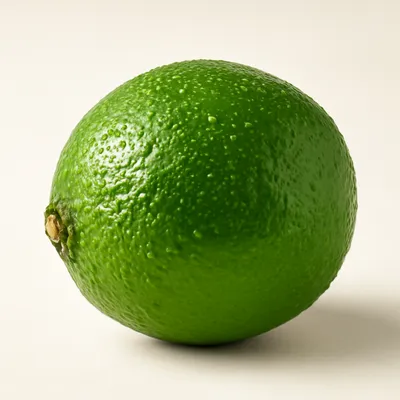
How it's made
7 steps · 25 min active + 10 min waiting
- 18 min
Clean and butterfly the trout, or leave it whole, and pat it thoroughly dry; season with salt and pepper.
- 24 min
For al ajillo: slice garlic thinly and cut dried guajillo chile into thin strips.
- 36 min
Sear the trout skin-side down in hot oil until the skin crisps, then turn briefly to finish.
Watch outSear skin-side down in genuinely hot oil until the skin crackles and lifts off on its own — trout is lean and turns to mush if you flip it too early.
- 44 min
Lower the heat, add butter, garlic and guajillo strips, and spoon the foaming butter over the fish until the garlic is golden.
Watch outDrop the heat before the garlic goes in and spoon the foaming butter over — garlic and guajillo scorch bitter the instant the fat gets too hot.
- 58 min
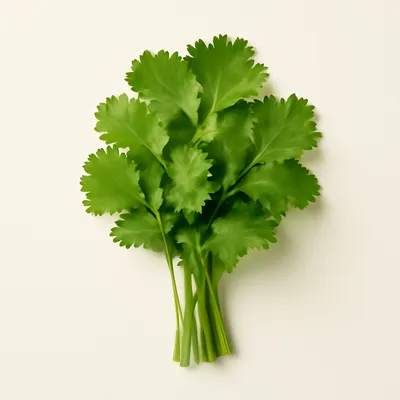
For empapelada: lay the seasoned trout on parchment or foil with tomato, chile, onion and herbs, and fold into a sealed parcel.
- 615 min
Bake the parcel in a hot oven until the fish is just opaque and steamed through.
Watch outPull the parcel the moment the flesh turns just opaque — sealed in paper it keeps cooking, so a minute too long dries it out.
- 72 min
Serve at once — al ajillo straight from the pan, empapelada opened at the table with lime.
Archive tool suggestions — not reviewed
These legacy suggestions have not been evidence-reviewed and are not presented as required tools.


