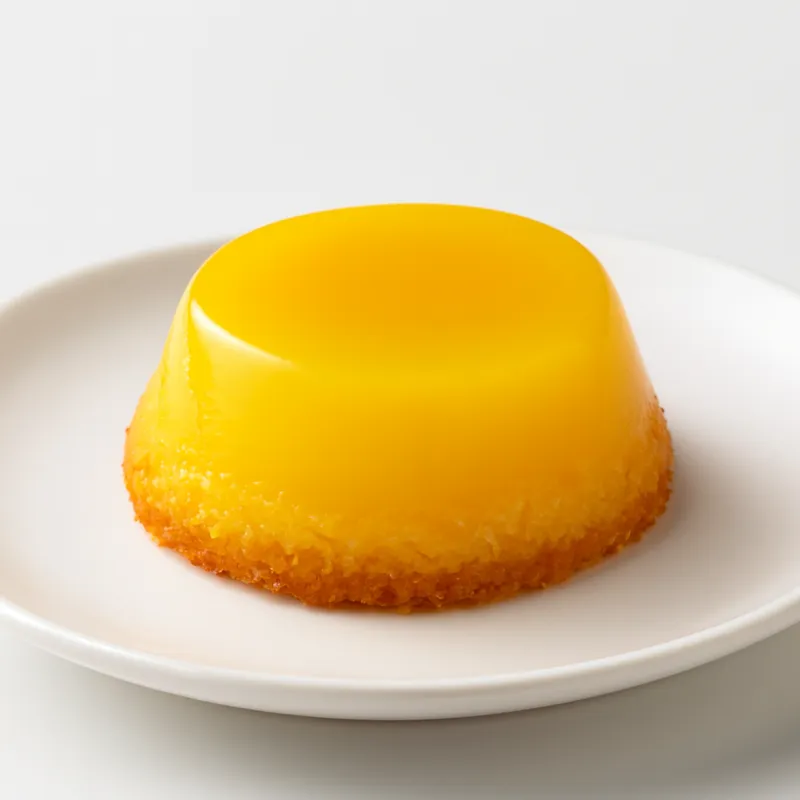
A beach-bar starter of shredded crab meat sauteed with onion, tomato, coconut milk, and cilantro, packed back into cleaned crab shells, topped with toasted cassava flour, and baked until crusty. Eaten with a small spoon straight from the shell, it is a fixture of the coast of Alagoas and the wider Northeast. The contrast of soft, coconut-rich filling and crisp farofa crust is the whole appeal.


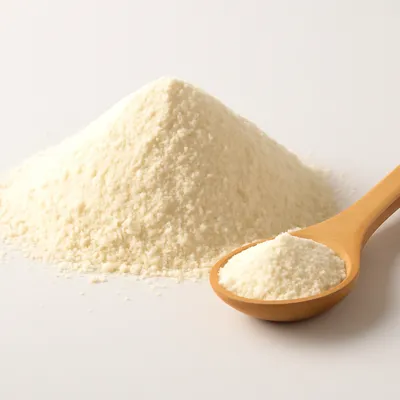



The exact origin is uncertain; the dish grew out of coastal fishing communities that learned to stretch small catches of siri (the swimming crabs of the genus Callinectes) by shredding the meat and baking it back in the shell. It later spread as a cheap, shareable starter in beach bars up and down the coast. Mediterranean cooking has comparable stuffed-crab dishes, and a Brazilian descent from that tradition is plausible but undocumented. The Northeastern version is marked by coconut milk and dendê palm oil, both rooted in the region's African-influenced kitchen.
A spoonful is creamy and faintly sweet from the coconut, savory-briny from the crab, and lifted by lime and cilantro, all under a sandy, toasted farofa crust that crackles against the soft filling. Some versions finish with a little melted cheese for a browned, gratineed lid. The shell keeps it hot, and the first spoon should still steam.
The crab is cooked briefly so it stays in moist shreds rather than drying out, then bound with a little coconut milk and the aromatics into a loose, spoonable filling. The cassava-flour topping is the key textural move: it toasts in the oven into a crisp, granular crust that stays distinct from the wet filling underneath, much as farofa does alongside a stew. A short, hot bake browns the top without overcooking the delicate crab. Real shells, scrubbed and reused, hold and conduct the heat.
Variations
Many cooks gratinate the top with grated cheese; others keep it pure farofa. Bahian versions push the dendê and add dried-shrimp vatapá notes, while milder Southeastern ones use butter and a bechamel-style binder. Where whole siri shells are scarce, the filling is baked in small ramekins or scallop shells and sold under the same name.
On the Palate
Where Casquinha de Siri sits in the Brazilian flavor cloud
Ingredients
Serves 4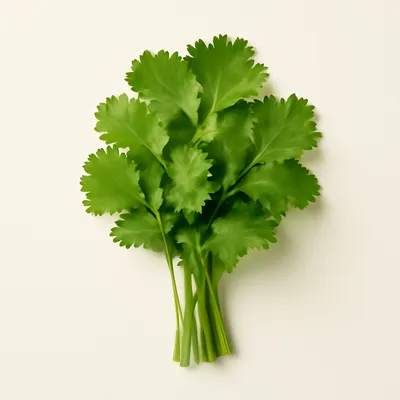
How it's made
5 steps · 30 min active + 10 min waiting
- 110 min
Pick over cooked crab meat for shell fragments and shred it; scrub and dry the crab shells (or small ramekins) for filling.
- 28 min
Sweat chopped onion, garlic, and tomato in oil until soft, then fold in the crab, coconut milk, and most of the cilantro and cook briefly to a moist, loose filling.
Watch outCook the crab only briefly to a moist, loose filling — overcook it and the delicate meat dries into stringy shreds.
- 33 min
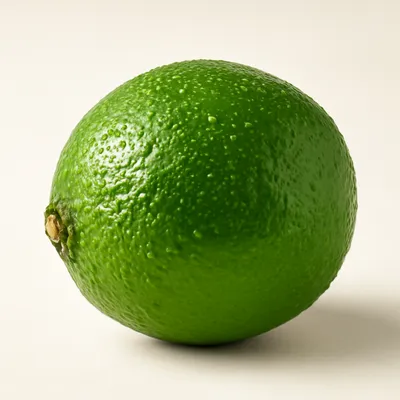
Season with salt, lime juice, and black pepper, and adjust until savory and bright.
- 44 min
Spoon the filling into the shells, top generously with toasted cassava flour (and grated cheese if using), and dot with a little oil or butter.
Watch outTop generously with toasted cassava flour — that layer is what toasts into a crisp crust that stays distinct from the wet filling below.
- 510 min
Bake in a hot oven until the tops are crisp and golden, then serve hot with lime wedges and the remaining cilantro.
Archive tool suggestions — not reviewed
These legacy suggestions have not been evidence-reviewed and are not presented as required tools.