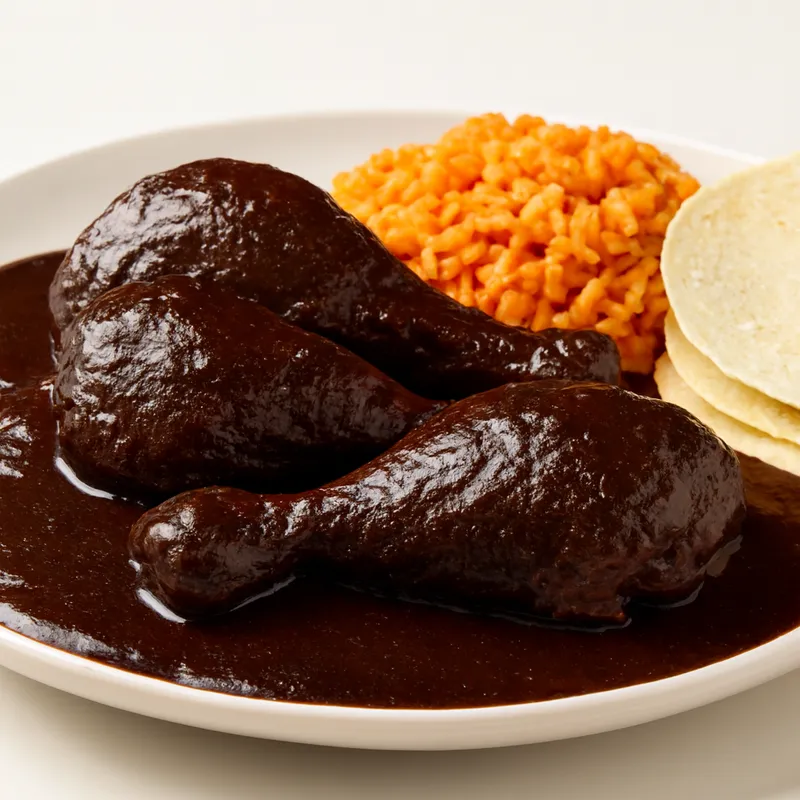
A humble pre-Hispanic bean soup of Tlaxcala and Puebla made from toasted dried yellow beans cooked down and lightly thickened with corn masa, seasoned with epazote and chile. The beans are toasted before cooking, which gives the broth a deep, nutty, faintly smoky flavor unlike a plain pot of beans, and a little masa loosened into the liquid rounds it into a soft, comforting potage. It is everyday highland food — cheap, filling, and built entirely from the milpa staples of corn, beans, and chile.




Tlatlapas is a traditional dish of the central highlands, particularly Tlaxcala and Puebla, and its name comes from Nahuatl, marking it as part of the indigenous, pre-Hispanic foodways of the region. It belongs to the everyday cooking of the milpa — the intercropped field of corn, beans, and squash that has fed central Mexico for millennia — and is understood locally as old, peasant, and indigenous in origin rather than as a dish with a dated invention. The toasting of the beans and the masa-thickened broth are its defining traditional traits. It survives as a regional home and market soup, a frugal dish that turns a handful of dried beans into a full meal.
The broth is soft and lightly thickened, the color a dusky yellow-brown from the toasted beans. The toasting is what you taste first — a deep, roasted, nutty note that gives the soup far more character than boiled beans, edged with the herbal, anise-like lift of epazote and a gentle chile warmth. The masa lends a faint corn flavor and a smooth, slightly velvety body. It is warming, savory, and homey, the kind of soup eaten with a stack of tortillas and a spoon of salsa.
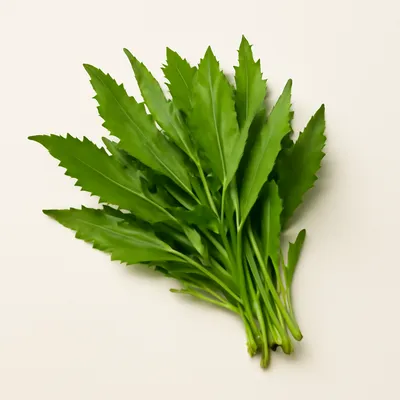
Toasting the dried beans on a comal before cooking is the key step: dry heat browns the beans through the Maillard reaction, building roasted, nutty aromas that plain simmering can never produce — this is what separates tlatlapas from ordinary frijoles de olla. The toasted beans are then simmered until soft and often partly mashed or blended so the soup carries body from the beans themselves. Corn masa, slackened in liquid and stirred in, thickens the broth as its starch gelatinizes, giving a smooth, lightly bound texture and a corn note. Epazote, added toward the end, contributes its characteristic herbal aroma, which is heat-sensitive and so goes in late.
Variations
The beans vary — yellow is traditional in many versions, but other dried beans are used — and the chile and herbs shift from cook to cook, some adding a little more masa for a thicker, atole-like soup and others keeping it brothy. It is sometimes garnished with cheese, avocado, or a drizzle of cream. It sits in the same indigenous masa-thickened family as chileatole and the masa-bound moles de olla, distinguished by its toasted-bean base.
On the Palate
Where Tlatlapas sits in the Mexican flavor cloud
Ingredients
Serves 4

How it's made
7 steps · 35 min active + 55 min waiting
- 112 min
Toast the dried yellow beans on a dry comal or in a pan, stirring, until they color and smell nutty.
Watch outToast the beans until they color and smell nutty — this browning is the whole soul of tlatlapas; a raw-tasting bean gives an ordinary bean soup.
- 245 min
Simmer the toasted beans in water with onion and garlic until soft, skimming as needed.
- 38 min
Lightly mash or partly blend some of the beans so the broth gains body, keeping it brothy.
- 410 min
Toast a small amount of dried chile, soak to soften, and blend smooth, or finely chop fresh chile.
- 53 min
Slacken the masa harina in a little of the warm broth into a smooth lump-free slurry.
Watch outWhisk the masa into warm broth until dead smooth with no lumps before it goes in, or you'll get raw doughy pellets in the soup.
- 68 min
Stir the chile and the masa slurry into the simmering beans and cook until the broth thickens slightly.
Watch outStir constantly as the masa cooks in — it thickens the broth as the starch gelatinizes, and left unstirred it'll catch and scorch on the bottom.
- 75 min
Add epazote and salt, simmer briefly to release the herb's aroma, and serve hot with tortillas.
Archive tool suggestions — not reviewed
These legacy suggestions have not been evidence-reviewed and are not presented as required tools.