
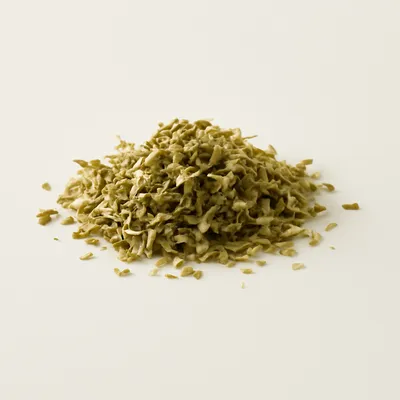
A long-simmered stew of hominy and pork built on New Mexico red chile, the broth stained brick-red and tasting of dried chile, garlic, and oregano. The hominy stays plump and faintly chewy while the pork shoulder falls apart into the liquid. It is a holiday and celebration dish across New Mexico, set out in a big pot for Christmas Eve, Christmas Day, and New Year's and ladled into bowls with lime, raw onion, and oregano alongside. Spelled posole in New Mexico, it is leaner and more chile-driven than the garnished pozole of central and western Mexico.





Posole is among New Mexico's oldest dishes, and its heart is hominy: field corn nixtamalized in an alkaline lime solution, an Indigenous process that predates Spanish contact and loosens the hulls while softening and flavoring the kernels. The Spanish brought pigs and European seasonings, and local cooks married pork and dried red chile to the native corn to build the stew known today. Its place on the holiday table carries old symbolism of renewal: nixtamalized corn swelling back to life is read as a fitting dish for new beginnings, which is why it is so strongly tied to Christmas and New Year's in New Mexico.
The broth is clean and chile-forward, more savory than fiery, with garlic and oregano riding underneath. Hominy pops gently between the teeth, somewhere between a bean and a dumpling, while the pork has gone soft enough to break with a spoon. A squeeze of lime brightens it, raw onion adds bite, and crumbled oregano lifts the whole bowl. It eats lighter than its long cooking suggests.
Nixtamalization is the key step: simmering dried corn with calcium hydroxide (cal) raises the pH, dissolves the tough pericarp, and converts the kernel so it can swell into hominy with its characteristic aroma and texture; it also frees niacin the body can absorb. The dried red chile is rehydrated and blended into a smooth sauce, then simmered long enough for its flavor to set without scorching. The pork shoulder's collagen melts to gelatin over a slow simmer, lightly thickening and enriching the broth, and the hominy is cooked until tender but never burst.
Variations
White posole skips the red chile for a clearer broth, and a green-chile version swaps in roasted New Mexico green. Many cooks add pig's feet or trotters for body, and some use canned hominy to cut the cooking time. The New Mexican style stays simple; the central and western Mexican pozole it descends from is dressed at the table with shredded cabbage or lettuce, radish, and tostadas.
On the Palate
Where New Mexican Posole sits in the American flavor cloud
Ingredients
Serves 6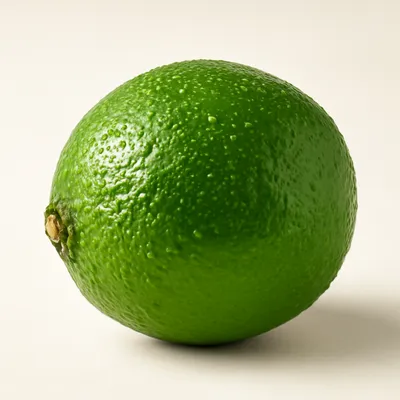
How it's made
6 steps · 40 min active + 2 hours 50 min waiting
- 1120 min
If using dried whole hominy, simmer it in water until the kernels begin to soften and bloom, about 2 hours.
- 230 min
Toast and seed dried New Mexico red chiles, soak in hot water, then blend with garlic to a smooth red sauce and strain.
Watch outToast and soak the dried chiles, then blend and strain to a smooth sauce — simmer it later just until the flavor sets, never let it scorch or it turns bitter.
- 315 min
Brown cubed pork shoulder in a heavy pot, then add onion and a little of the chile sauce and cook briefly.
- 410 min
Add the hominy, remaining red chile sauce, oregano, and water or stock to cover; bring to a gentle simmer.
- 5120 min
Simmer uncovered, skimming, until the pork is fork-tender and the broth has reddened and deepened, about 2 hours.
Watch outSimmer uncovered a couple of hours until the pork is fork-tender and the broth deepens red — the collagen melting to gelatin is what lightly thickens it.
- 65 min
Season with salt and serve with lime wedges, chopped raw onion, and dried oregano to add at the table.
Archive tool suggestions — not reviewed
These legacy suggestions have not been evidence-reviewed and are not presented as required tools.



