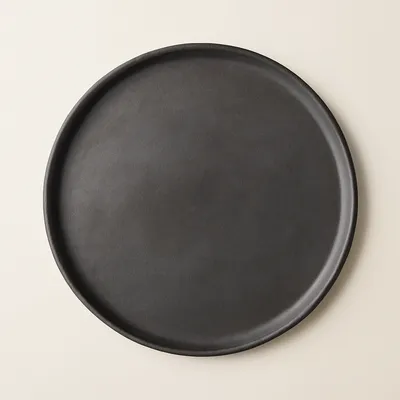
The staple bread of Sonora in northern Mexico: an enormous wheat-flour tortilla, commonly 40 to 60 cm across and stretched so thin it turns translucent. Unlike the corn tortilla of central and southern Mexico, it is made from wheat flour (harina de trigo), water and salt — the lean dough that gives it the older name tortilla de agua, "water tortilla" — with some cooks adding a little lard or shortening. A rested ball of dough is hand-pulled and swung over the backs of the hands and forearms until it is paper-thin, then cooked for seconds on a very hot griddle. It is the wrapper of the Sonoran burrito, the chimichanga and the overstuffed burro percherón, and is folded around carne asada, machaca and beans.



The tortilla sobaquera belongs to northern Sonora, part of the wheat-and-cattle belt of northern Mexico. Where central and southern Mexico built their bread on nixtamalized corn, the arid north turned to wheat — a grain the Spanish introduced during the colonial period and that suited the region's climate and ranching agriculture, producing a flour-tortilla culture rather than a corn-masa one. The name derives from the Spanish sobaco, "armpit," and is usually explained by the dough being stretched along the forearm; the literal armpit image is regarded as folk etymology, since the tortilla is shaped with the hands and lower arms, and "sobaquera" is a relatively recent popular name for what was long simply called tortilla de agua or tortilla grande.
Held to the light, the cooked tortilla is thin enough to see through, supple and warm, blistered with brown freckles where it touched the griddle. It folds and rolls without cracking, with a faint toasted-wheat aroma and a soft, slightly chewy bite. Wrapped around carne asada and beans it becomes a Sonoran burrito; fried, it crisps into a chimichanga.
The defining trick is gluten. Kneading wheat flour develops an elastic network of glutenin and gliadin proteins, and it is this stretchy, extensible dough that lets a ball be pulled to translucent thinness without tearing. Corn masa cannot do this: nixtamalized corn is gluten-free, held together only by gelatinized starch, so it must be pressed rather than stretched and would crack and break. The thin sheet is cooked briefly over very high heat, which sets the gluten and starch fast and keeps it pliable rather than crisp.
Variations
The everyday tortilla de harina is its smaller, thicker cousin, made from a richer lard dough; the giant translucent sobaquera is the lean tortilla de agua. The same tortilla is the base of the Sonoran burrito (filled with machaca, calabacitas con queso, beans or chile colorado), the chimichanga, and the burro percherón, the massive overstuffed burrito associated with Hermosillo and Guaymas.
On the Palate
Where Tortillas Sobaqueras sits in the Mexican flavor cloud
Knead the dough until it's fully elastic, then rest it — only a well-developed, relaxed gluten net will stretch to translucent thinness without tearing.
Ingredients
Serves 6How it's made
8 steps · 45 min active + 45 min waiting
- 18 min
Mix wheat flour with salt, then work in a little lard or shortening if using, and add warm water gradually to form a soft, smooth dough.
- 28 min
Knead the dough thoroughly until it is elastic and no longer sticky, building the gluten.
Watch outDough turns smooth and elastic, springing back and no longer sticky.
- 340 min
Divide into balls (testales), coat lightly with oil, cover, and let rest 30 to 45 minutes to relax the gluten.
- 46 min
Take a ball and press it out, then stretch and swing it over the backs of the hands and forearms, working it ever thinner until it is large and translucent.
Watch outThe sheet stretches large and thin enough to see light through.
- 54 min
Heat a comal or large flat griddle until very hot.
- 61 min
Lay the thin tortilla onto the griddle and cook for only a few seconds, until pale brown freckles appear.
Watch outPale brown freckles appear within seconds — flip right away.
- 71 min
Flip and cook the other side briefly, keeping it supple rather than crisp.
- 82 min
Stack the cooked tortillas under a cloth to keep them soft and warm, and serve as the wrapper for burritos, machaca or carne asada.
Archive tool suggestions — not reviewed
These legacy suggestions have not been evidence-reviewed and are not presented as required tools.