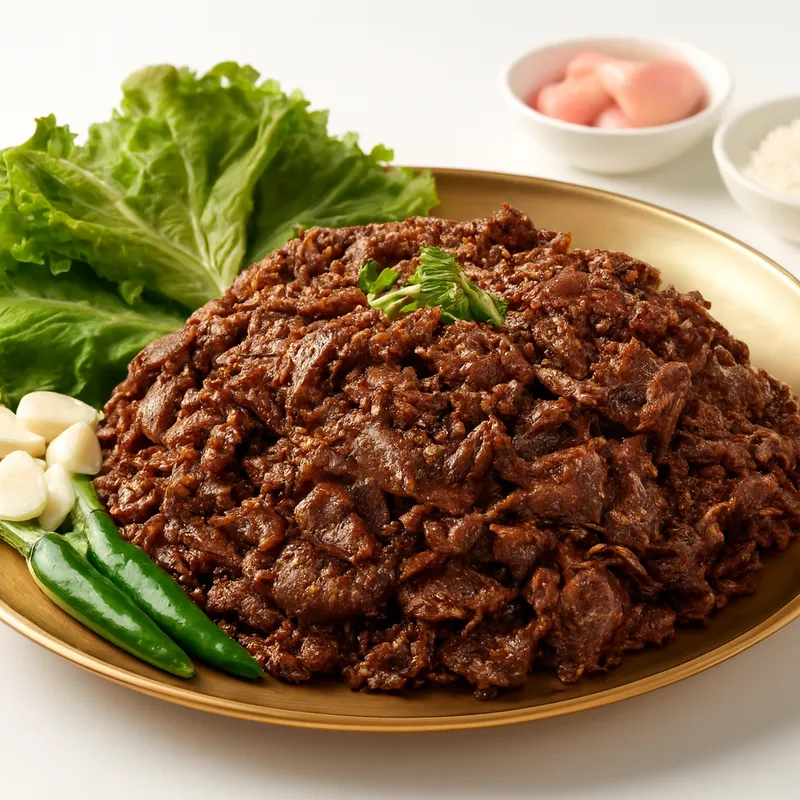
Misugaru is a roasted multigrain powder whisked into a cold drink, one of Korea's classic summer refreshers. An assortment of grains and beans — glutinous rice, barley, brown rice, soybeans, and black beans, sometimes job's tears — is steamed or roasted and then milled fine; the resulting nutty powder is stirred into cold water or milk with a little sugar or honey and drunk chilled. Filling and quick, it doubles as a fast meal in a glass. The roasted, dried powder keeps and travels well, and it has long served as a portable field and travel ration and a temple food as much as a hot-weather drink.
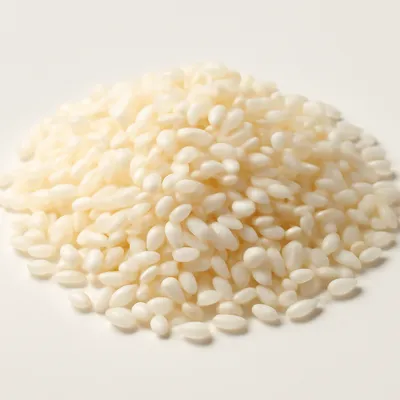

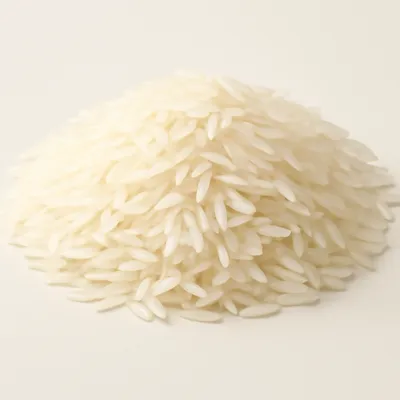

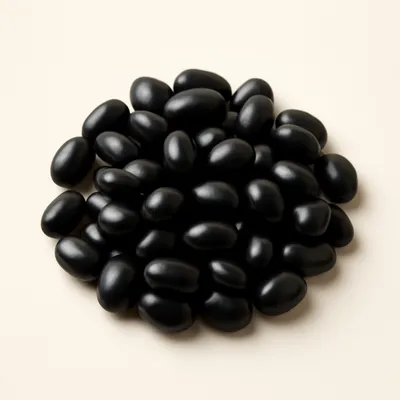
Roasted-grain powder is an old idea in Korea, where its names trace back through misi and misik to misu, the word from which misugaru — powder for making misu — is formed. Because the grains are roasted and dried, the powder is light, compact, sating in small amounts, and keeps without spoiling, qualities that made it a practical preserved food: a marching and travel ration, a famine reserve, and a plain, nourishing temple food. The same logic of parching grain into a portable meal appears across East Asia, paralleling the Chinese roasted-grain powders chao and qiu. Mixed cold in summer, it became and remains a household staple of the hot months, ranked among Korea's representative warm-weather thirst-quenchers.
Stirred cold, it is smooth and lightly thick, with a fine, faintly grainy body from the milled grain rather than anything watery. The flavor is deeply toasty and nutty, full of roasted barley and bean, rounded and a touch creamy when made with milk, clean and grain-sweet when made with water. A little honey or sugar lifts it without making it a sweet drink. It drinks cool and substantial, closer to a thin gruel than a juice, and leaves a warm, roasted aftertaste.
The drink works because the grains are already cooked. Roasting, or steaming then roasting, dry-cooks the starch and toasts the grain and bean, developing deep nutty and caramelized aromas through browning and driving off moisture so the milled powder stays shelf-stable. Because the starch is pre-gelatinized by that heat, the powder hydrates and thickens straight into cold liquid with only a whisk, no cooking needed — the reason it makes an instant cold meal. Milling fine gives a smooth body and lets the powder stay suspended rather than settling at once; the grain-and-bean mix balances starch with protein and fat, which is why it is sating and turns creamy in milk. A little sweetener is all the finishing it needs.
Variations
The grain blend is open: glutinous and regular rice, barley, brown rice, soybeans and black beans are common, with job's tears, corn, millet, sorghum, or even mugwort and seaweed powders folded in for flavor and nutrition; using several together is held to taste better and feed better than one alone. The liquid can be cold water or milk, sweetened with sugar, honey, or sometimes a pinch of salt instead. It can be drunk warm in cold weather, and the same powder is used beyond the cup — pressed into dasik tea-sweets and stirred into amjuk, a thin grain porridge-drink.
On the Palate
Where Misugaru sits in the Korean flavor cloud
Ingredients
Serves 4
How it's made
6 steps · 25 min active + 15 min waiting
- 110 min
Rinse the mixed grains and beans and soak them until plump, then drain well.
- 215 min
Steam the soaked grains and beans until just cooked through, then spread them out and dry.
- 315 min
Roast the dried grains and beans in a dry pan over moderate heat, stirring constantly, until deeply fragrant and toasted but not scorched, then cool completely.
Watch outRoast the grains deeply fragrant but not scorched — the toasting builds the nutty caramel flavor; burnt grain turns the whole drink bitter.
- 48 min
Mill the roasted grains and beans to a fine powder and pass it through a sieve.
- 53 min
For each serving, whisk a few generous spoonfuls of the powder into cold water or milk until smooth with no lumps.
Watch outWhisk the powder into cold liquid until dead smooth with no lumps — it's already cooked, so it thickens straight in; lumps mean you added it too fast.
- 62 min
Sweeten to taste with honey or sugar, add ice, and serve cold.
Archive tool suggestions — not reviewed
These legacy suggestions have not been evidence-reviewed and are not presented as required tools.