A whole chicken wrapped in fresh lotus leaves, encased in spiced clay, and baked over embers for two hours until the mud cracks open — feathers peeling away with it — releasing meat perfumed with the delicate fragrance of lotus and warm earth. A Chengde adaptation of the beggar's chicken tradition, refined for the Qing imperial table at Bishu Shanzhuang.



A descendant of the Hangzhou beggar's chicken — a folk dish in which a whole bird wrapped in mud was baked over coals. When the technique reached Chengde, it was adapted for the imperial court at Bishu Shanzhuang mountain resort. Legend holds that Emperor Qianlong encountered the mud-encased bird during a private visit and ordered it incorporated into the palace repertoire. The defining change was sourcing clay from the resort grounds (yutu, imperial soil) mixed with hot spring water from Rehe spring, and harvesting lotus leaves from the resort's lake — ingredients so specific that the renamed dish could belong only to Chengde.
Cracking the mud shell at the table is a small theatre. Steam rises with the fragrance of lotus — floral, faintly grassy — and the first bite into the boned, softened flesh delivers juices that have been sealed inside for two hours, with nothing lost to evaporation. The skin is gently perfumed rather than crisped, tender under the fingers.
The clay shell acts as a sealed low-pressure vessel, trapping steam and holding the internal temperature at roughly 100–110 °C — gentle enough to denature proteins slowly without squeezing moisture from the fibres. Lotus leaf flavonoids (quercetin and isorhamnetin) are fat-soluble under heat and migrate into the skin's lipid layer, contributing the characteristic floral note. The mineral ions in the imperial clay — particularly iron and potassium — interact with the skin collagen and suppress the volatile aldehydes responsible for poultry gaminess.
Variations
Home cooks use food-grade pottery clay or a thick salt-dough crust when imperial soil is unavailable. Some versions stuff the cavity with ginger, scallion, dried tangerine peel, and star anise for added fragrance. A simplified modern variant wraps the lotus-leaf bundle in foil and bakes in a conventional oven at 180 °C for 90 minutes, forgoing the clay entirely.
On the Palate
Where Imperial Clay-Baked Lotus Leaf Chicken sits in the Chinese flavor cloud
Ingredients
Serves 4
How it's made
7 steps · 30 min
- 115 min
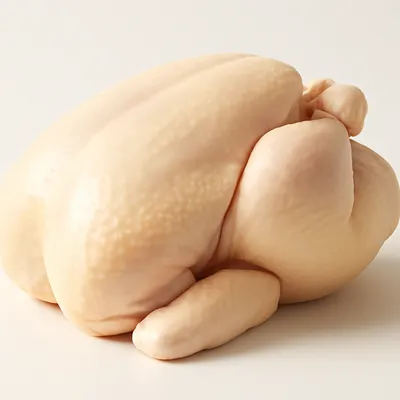
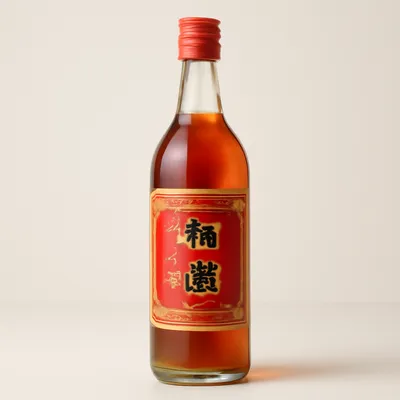
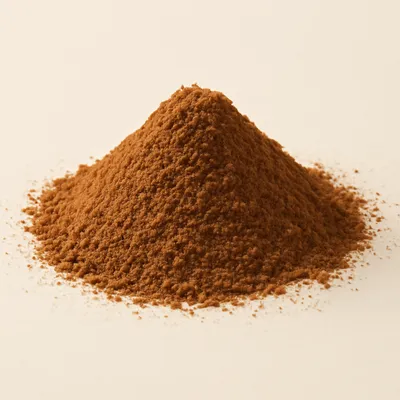
Clean a whole chicken (about 1.5 kg); remove internal organs through the underarm without plucking feathers. Rub cavity and skin thoroughly with salt, white pepper, five-spice powder, and Shaoxing wine. Stuff cavity with ginger slices and scallion.
- 25 min
Blanch 3 large fresh lotus leaves in boiling water for 30 seconds to soften; remove, pat dry. Wrap the chicken tightly, overlapping the leaves so there are no gaps.
- 35 min
Mix yellow clay with water and a pinch of salt until the paste is smooth and thick enough to hold shape. Optionally work in a little crushed ginger.
- 45 min
Coat the lotus-wrapped chicken evenly with the clay paste to a depth of 2–3 cm, pressing firmly to ensure a crack-free shell; smooth the surface.
Watch outPack the clay a good two to three centimetres thick and seal every seam — one crack lets steam escape and the bird bakes dry instead of steaming tender.
- 5120 min
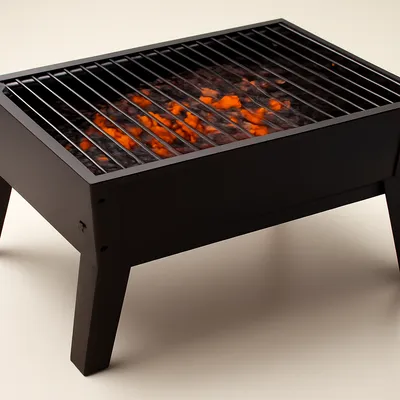
Build a charcoal fire in a covered outdoor grill or earthenware stove. Once embers are well established, nestle the clay-coated chicken alongside or on top of the coals; cover and bake for 2 hours, turning once at the halfway mark.
- 610 min
Test doneness: tap the shell — it should sound hollow and show hairline cracks. Remove from heat and rest 10 minutes.
Watch outTap the shell — a hollow ring with fine hairline cracks means it's done; a dull thud means the centre is still cool.
- 75 min
Bring the sealed chicken to the table; crack the shell open with a mallet — the feathers pull away with the clay. Portion the chicken at the table and serve with a dipping sauce of light soy sauce, sesame oil, and sliced ginger.
Archive tool suggestions — not reviewed
These legacy suggestions have not been evidence-reviewed and are not presented as required tools.