A banquet showpiece of the Dongting Lake table: a whole mandarin fish (鳜鱼) is marinated, stuffed with aromatics, then wrapped snugly in pork caul fat (网油) and roasted on a spit or in an oven until the omentum renders into a golden, self-basting lattice and the flesh steams in its own fragrant vapour. The result is a whole fish with crisp, amber-lace skin enclosing cloud-white, boneless-feeling flesh that carries the dual perfume of charred fat and lake-fresh fish.





Dongting mandarin fish (鳜鱼) gained literary immortality when the Tang Dynasty poet Zhang Zhihe wrote in his Fisherman's Song (渔歌子): 'The white egrets wheel before Xisai Mountain; the peach blossoms flow downstream and the mandarin fish grow fat (桃花流水鳜鱼肥).' This verse, widely quoted for over a millennium, established the mandarin fish as the prestige freshwater catch of the Yangtze-Dongting basin. The technique of encasing food in caul fat (网油) before roasting has even older roots: the Zhou-dynasty ritual text Zhouli (周礼) lists 'ganglao' (肝膋) — dog liver roasted inside dog caul fat — as one of the Eight Delicacies of the Son of Heaven (天子八珍). Hunan cooks transferred this ancient court technique to the region's finest lake fish, producing a dish that bridges imperial heritage and Dongting abundance.
Breaking the golden caul-fat lattice releases a puff of steam fragrant with soy and ginger. The fish underneath is impeccably moist; the flesh cleaves cleanly along natural muscle segments in large, boneless flakes. A quiet richness from the rendered fat lingers without overwhelming the mandarin fish's characteristic clean sweetness.
Pork caul fat is an omental membrane whose natural lattice allows steam to vent while maintaining a continuous film of melting fat around the fish's surface. Fat rendering begins around 40–45°C and continues throughout roasting, creating a self-basting effect that prevents the skin from desiccating. Mandarin fish is exceptionally lean (protein approximately 16%, fat under 1%), making external fat supply critical for moisture retention in high-heat cooking. The fish-surface amino acids and reducing sugars from the soy-and-wine marinade react between 150–180°C in a Maillard cascade that produces the amber colour and layered, toasty aromatic complexity of the finished skin.
Variations
Caul-fat-wrapped steamed mandarin fish (网油蒸桂鱼) substitutes steaming for roasting, retaining maximum moisture and producing a more delicate, pristine result. A Hunan chili version (剁椒网油桂鱼) spreads house-fermented chili paste inside the cavity and under the wrapping before roasting. A banquet-stuffed version (三鲜网油桂鱼) fills the fish with minced pork, dried mushroom, and bamboo shoot before wrapping. In the simplest home preparation, the caul fat is omitted and the fish is basted repeatedly with oil and fermented tofu brine during roasting.
On the Palate
Where Omentum-Wrapped Roast Dongting Mandarin Fish sits in the Chinese flavor cloud
Ingredients
Serves 4

How it's made
6 steps · 45 min
- 125 min
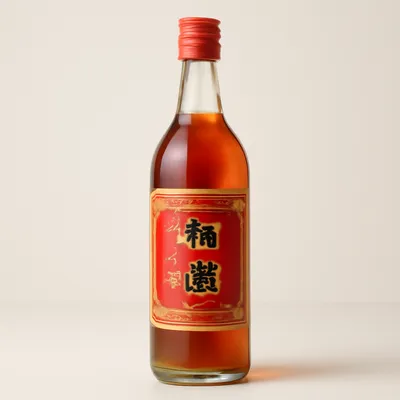
Clean the mandarin fish: gut and descale, make three diagonal cuts on each flank to allow the marinade to penetrate. Marinate with soy sauce, Shaoxing rice wine, ginger, salt, and white pepper for 20 minutes, turning once.
- 25 min
Prepare the cavity stuffing: mix minced ginger with sliced scallion and a splash of Shaoxing wine. Stuff the mixture lightly into the fish cavity.
- 38 min
Lay the caul fat flat on a clean surface, stretching it gently if needed. Place the marinated fish in the centre and wrap the fat snugly from head to tail, tucking it underneath so no flesh is exposed.
Watch outWrap the caul fat snug from head to tail with no flesh exposed — bare spots dry out and scorch; the lacy fat has to blanket the whole fish to self-baste it.
- 415 min
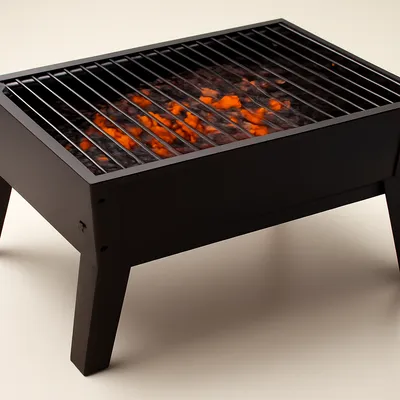
Thread the wrapped fish onto a metal spit, or place on a rack set over a foil-lined roasting tray. Roast in a preheated oven at 200°C (or over medium charcoal) for 15 minutes.
- 517 min
Reduce heat to 180°C and continue roasting for 15–18 minutes, until the caul fat is fully rendered, evenly golden, and lightly crisped, and the thickest part of the fish is cooked through.
Watch outRoast until the caul fat renders fully to an even golden lattice — while it's still white and thick it hasn't melted down, and the fish underneath is undercooked.
- 63 min
Remove from heat and rest for 3 minutes. Serve whole on a platter: the caul fat lattice should present as golden-bronze, fragrant, and translucent.
Archive tool suggestions — not reviewed
These legacy suggestions have not been evidence-reviewed and are not presented as required tools.